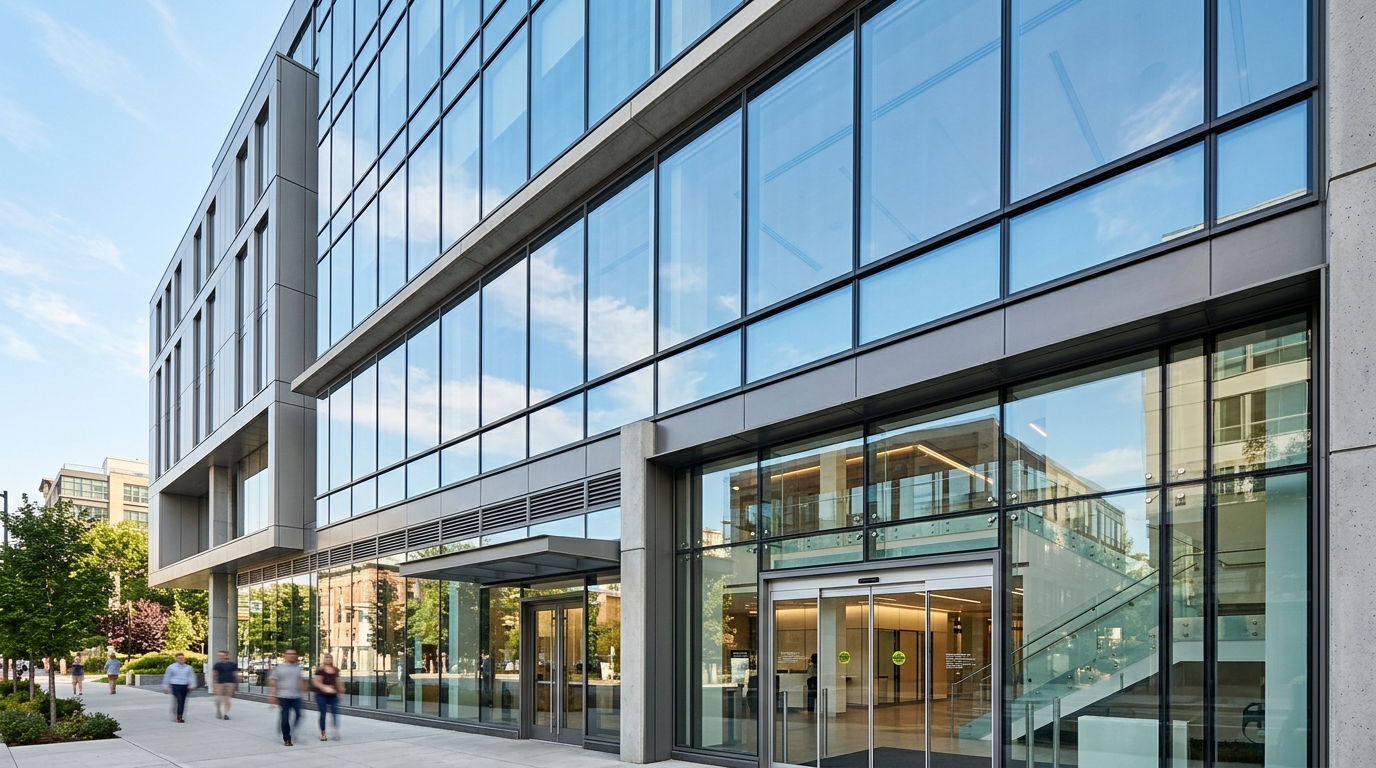
Safety Glazing and Building Code Requirements: A Quick Guide
Safety Glazing and Building Code Requirements: A Quick Guide
Safety glazing represents a critical element in commercial building design and construction. Whether developing new office spaces, educational facilities, healthcare institutions, or retail environments, understanding when safety glass is mandated by code helps prevent expensive project delays, inspection failures, and potential liability exposure.
Ramos Industries, Inc. assists general contractors and architects throughout California and Arizona in determining where tempered or laminated safety glazing is required and confirms proper installation according to IBC, CBC, and project specifications.
What Is Safety Glazing?
Safety glazing encompasses glass manufactured and tested to minimize injury risk from breakage. It typically includes:
- Tempered glass – heat-treated to achieve 4-5 times greater strength than standard glass
- Laminated glass – comprises two or more panes bonded with plastic interlayers that contain shards upon impact
Both types are deployed in spaces where glass failure could cause occupant harm and where regulations specifically mandate safety glass based on location and application.


When Is Safety Glazing Required?
According to the International Building Code and local codes adopted in California and Arizona, safety glazing is required in these situations:
1. Glazing in Doors
- All glass within swinging, sliding, and fixed doors
- Includes storefront entrances, interior glass doors, and restroom applications
2. Glass Adjacent to Doors
- Glass positioned within 24 inches of a door meeting height and size specifications
- Frequently found in lobbies, side lites, and entry vestibules
3. Large Glass Near the Floor
- Glass with a bottom edge within 18 inches of the floor and exceeding 9 square feet
- Commonly installed in retail windows, interior dividers, and full-height sidelites
4. Glazing in Wet or Humid Locations
- Required around bathtubs, showers, locker rooms, and comparable spaces
- Must withstand impact and environmental stress conditions
5. Guardrails, Handrails, and Stair Landings
- Glass serving as a guard or positioned adjacent to elevated walking surfaces
- Often featured in high-end offices, schools, and mixed-use developments
6. Overhead Glazing
Skylights and glass installed above occupants requires safety glazing, typically tempered or laminated based on design and fall zone specifications.

Tips for Staying Code-Compliant
- Review Shop Drawings Early – Confirm all glass types, edge conditions, and elevations during submittal and pre-construction phases
- Don't Substitute Glass Without Approval – Switching from safety glass to annealed or untested glass creates inspection failures
- Use Labeled and Certified Products – All safety glass requires permanent manufacturer labeling confirming compliance with ANSI Z97.1 and CPSC 16 CFR 1201
- Coordinate with Other Trades – Ensure mullions, door hardware, and additional components don't interfere with required safety glazing locations
Why It Matters
Code compliance extends beyond inspection passage. Safety glazing:
- Helps prevent serious injury from breakage
- Reduces legal liability for property owners and contractors
- Supports occupant confidence and overall building safety
- Is often required for occupancy permits and insurance approvals
Partner with Ramos Industries for Safety Glazing Solutions
The team at Ramos Industries, Inc. possesses extensive expertise in code-compliant commercial glazing, including all required safety glazing varieties. The company has installed thousands of square feet of tempered, laminated, and impact-rated glass in commercial buildings across California and Arizona.
The company supports clients with:
- Code reviews and scope recommendations
- Accurate shop drawings and submittals
- Installation by trained, certified crews
- Coordination with inspectors and project teams
Need Help Navigating Safety Glazing Requirements?
Allow us to help meet code on the first attempt, prevent rework, and maintain project momentum.
Visit www.ramosindustriesinc.com or contact us today to discuss your project and ensure your glazing package achieves full compliance.
Related Services
Glass Walls, Doors & Partitions
Interior glass partition systems, sliding glass walls, and office fronts that maximize natural light while providing privacy and sound control.
Glass Railings & Guardrails
Frameless and semi-frameless glass railing systems for balconies, stairs, and atriums. Code compliant tempered and laminated glass installations.
Skylights
Custom skylight design and installation, from single slope to ridge skylights. We integrate with roofing systems for weathertight performance.
Related Articles
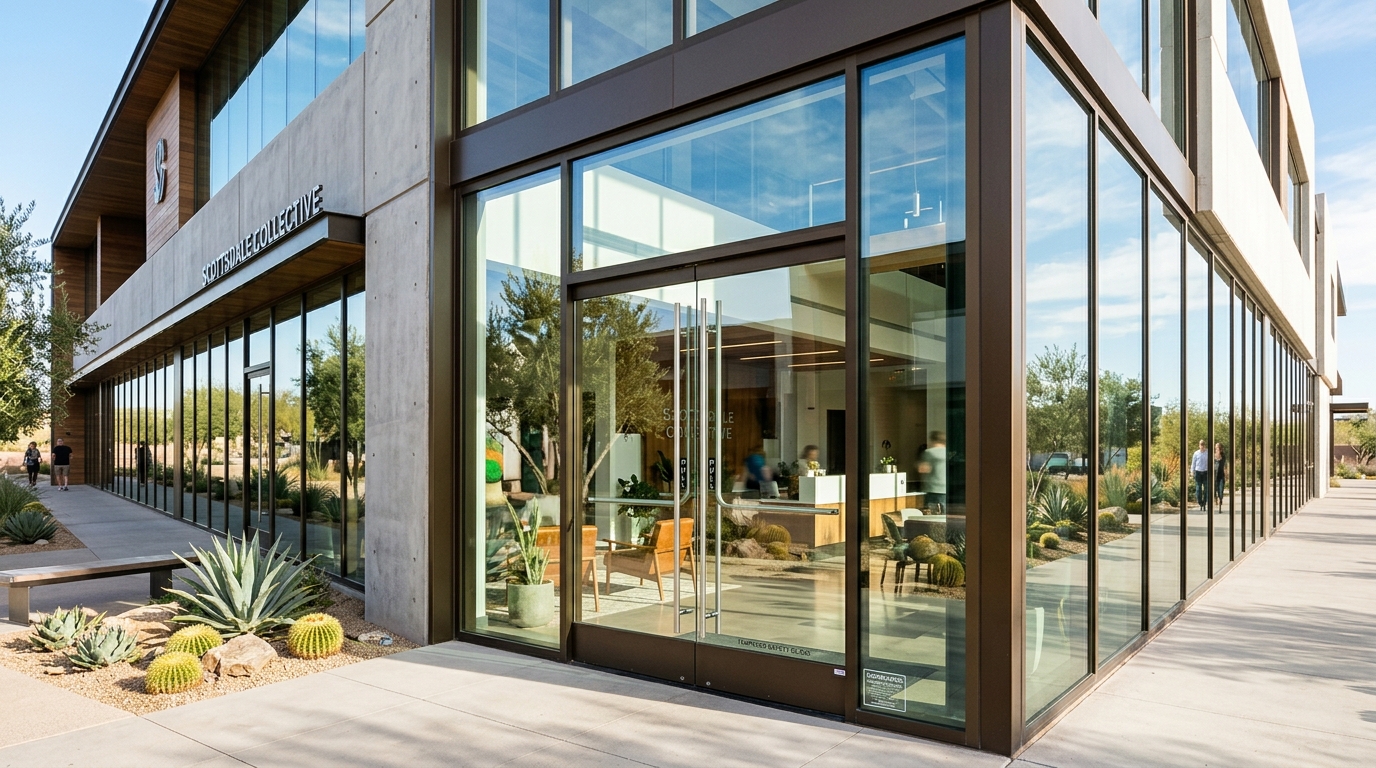
When Is Tempered Glass Required in Commercial Projects?
Learn when tempered glass is required in commercial construction and how to meet safety glazing codes in California and Arizona.
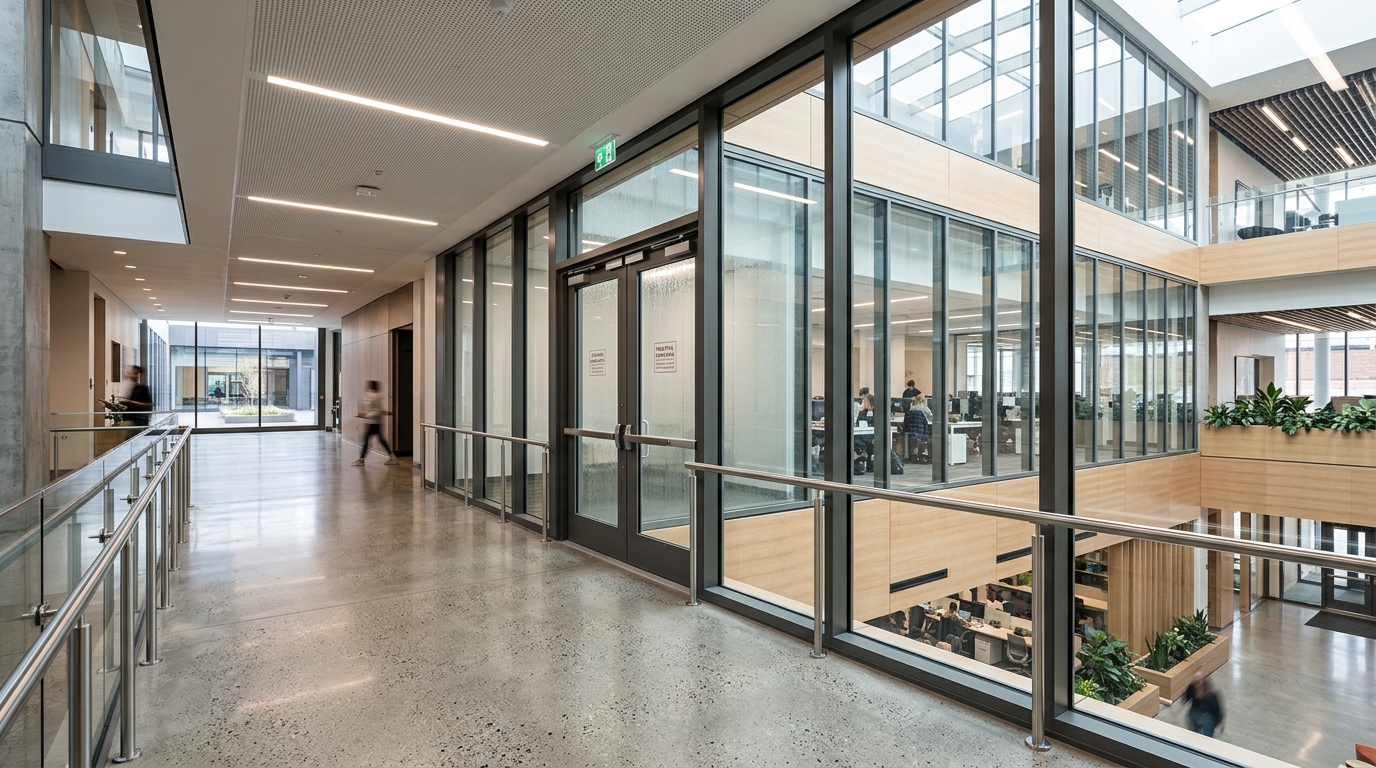
Benefits of Fire-Rated Glass in Modern Construction
Learn how fire-rated glass enhances life safety, design flexibility, and code compliance for commercial buildings in California and Arizona.
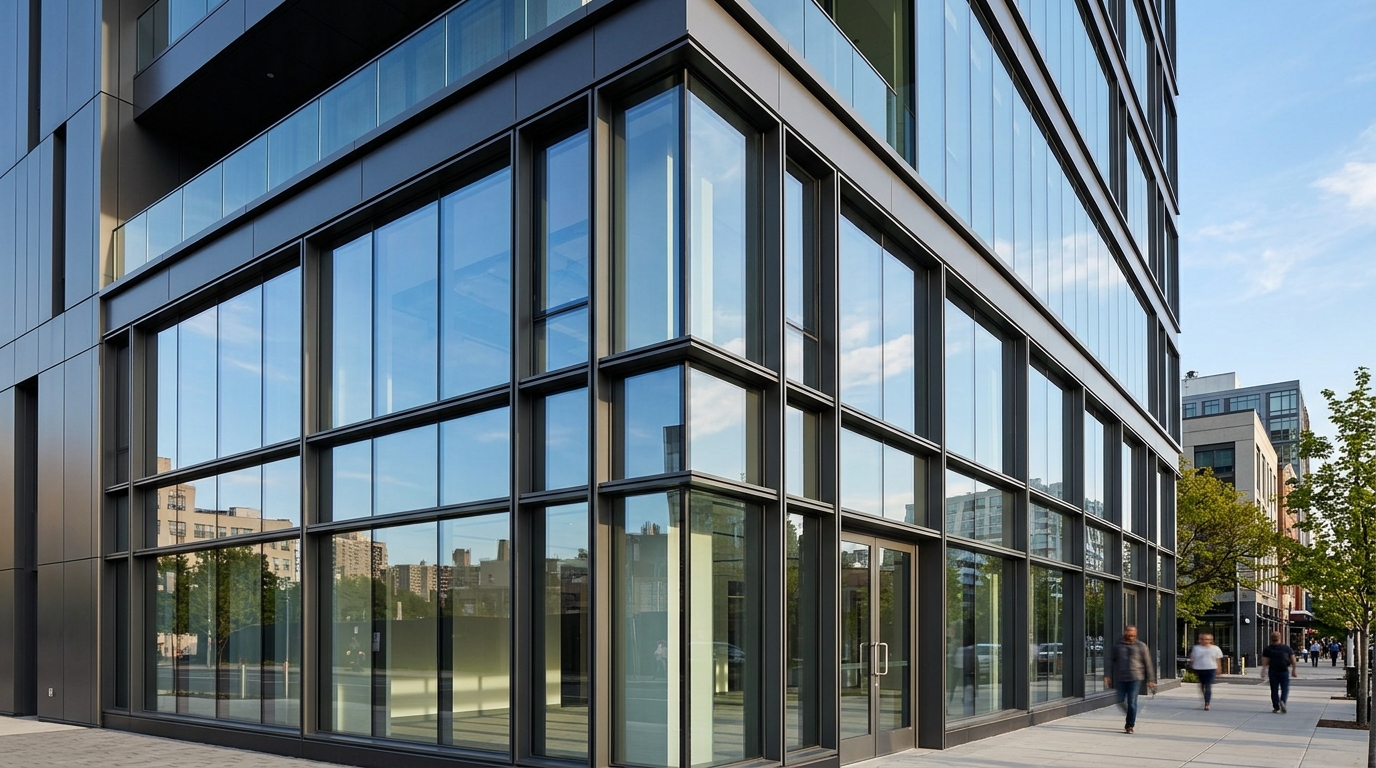
Aluminum Storefront Systems Compared (Center-Set, Offset, Flush)
Center-set vs. offset vs. flush aluminum storefront, glazing plane, sightlines, water management, and where each system fits. Spec guidance for GCs.