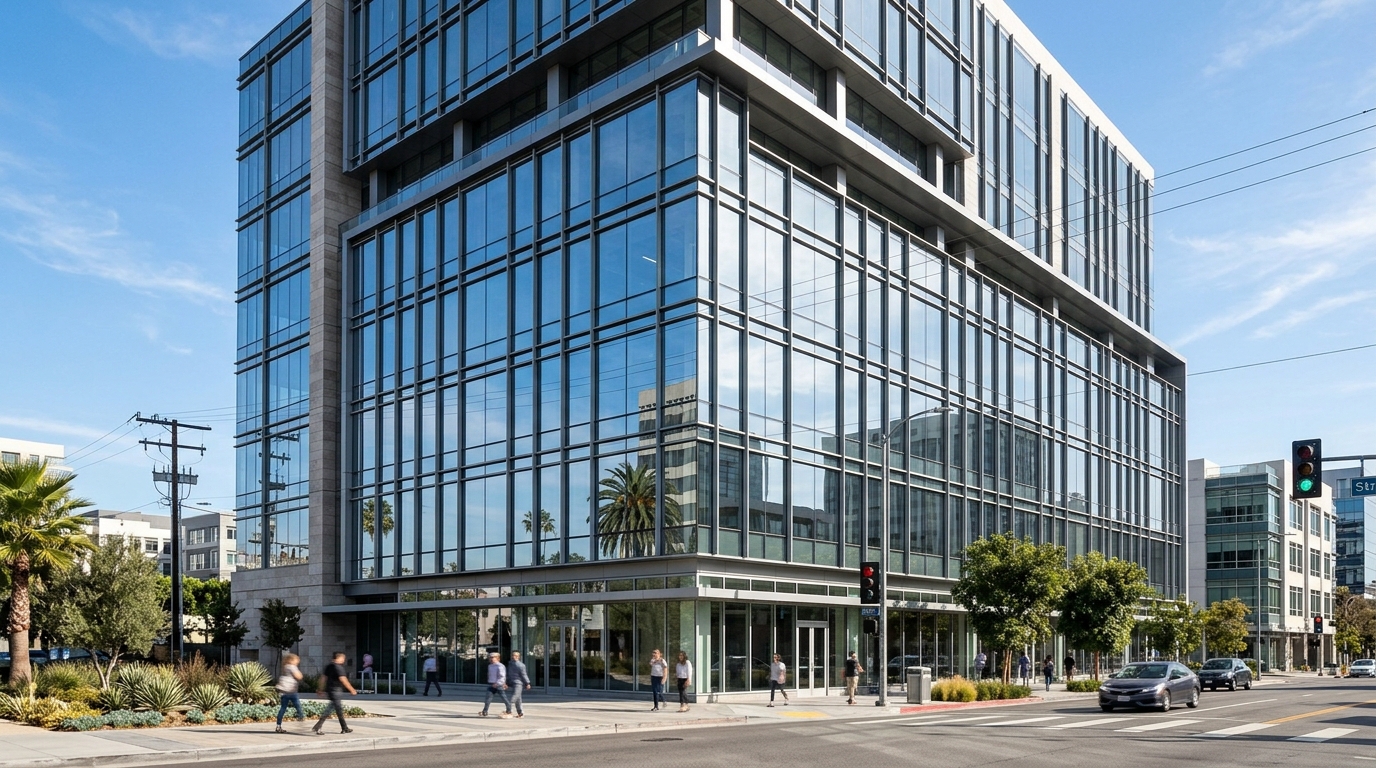
Understanding Low-E Glass in Commercial Glazing
Understanding Low-E Glass in Commercial Glazing
What Building Owners and General Contractors in California and Arizona Need to Know
In today's commercial construction market, energy efficiency is no longer a bonus; it's an expectation. With building codes tightening and energy costs rising across California and Arizona, choosing the right glass is one of the most effective ways to improve performance and reduce long-term operating expenses. One of the most common solutions is Low-E glass.
If you're planning a commercial project or managing an existing building, understanding what Low-E glass does and when it makes sense is essential.
What Is Low-E Glass?
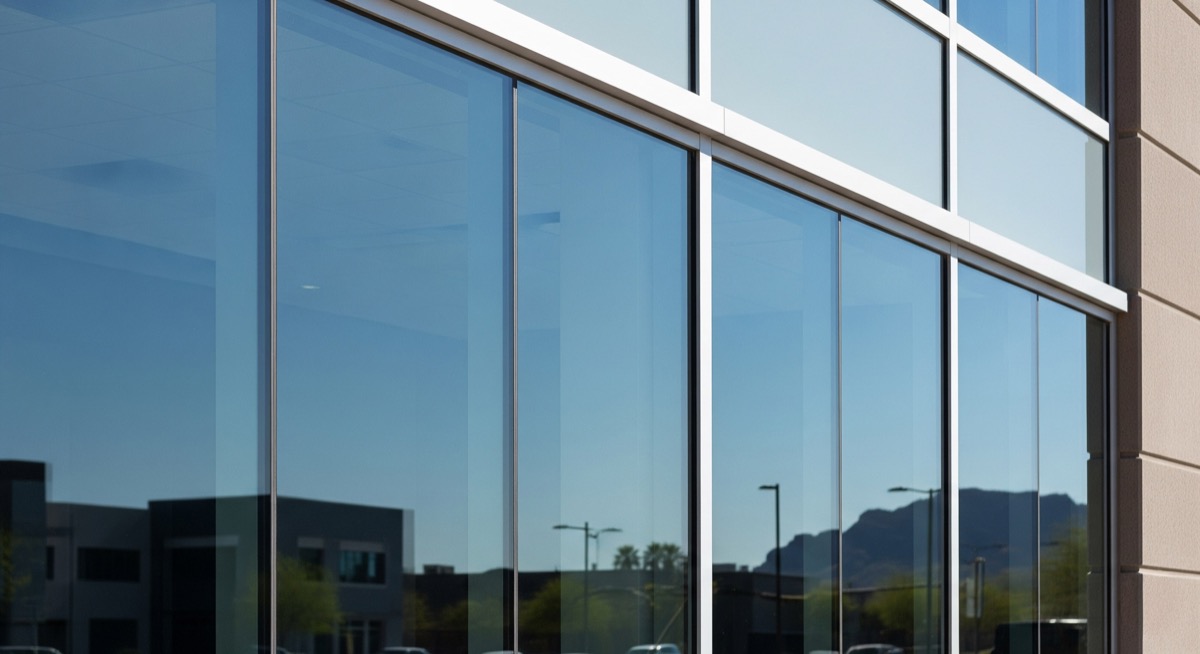
Low-E (low emissivity) glass features a microscopically thin, transparent coating applied to one surface of the glass. This coating reflects infrared (heat) energy while allowing visible light to pass through.
In simple terms, it helps buildings stay cooler in hot weather and warmer in cooler seasons, depending on how the glass is specified and installed.
There are two main types:
- Soft coat Low-E (pyrolytic) – Offers higher energy performance, commonly used in insulated glass units (IGUs)
- Hard coat Low-E – More durable and often used in single-pane applications or in moderate climates
Key Benefits of Low-E Glass in Commercial Buildings
1. Energy Savings
- Reduces the load on HVAC systems, especially in high-exposure buildings
- Helps achieve compliance with Title 24 and other local energy standards
- May qualify for rebates or incentives through utility programs
2. Enhanced Comfort for Tenants
- Limits hot spots near windows
- Improves indoor temperature stability across office floors, lobbies, and conference rooms
3. UV Protection
- Blocks up to 99% of harmful UV rays
- Protects furnishings, signage, and interior finishes from fading
4. Versatile Appearance Options
- Available in clear, tinted, or reflective styles to meet design goals
- Can be combined with laminated or insulated glass for multi-function performance
When to Specify Low-E Glass
Low-E glass is ideal for commercial projects such as:
- Office towers and corporate campuses
- Retail storefronts and mixed-use developments
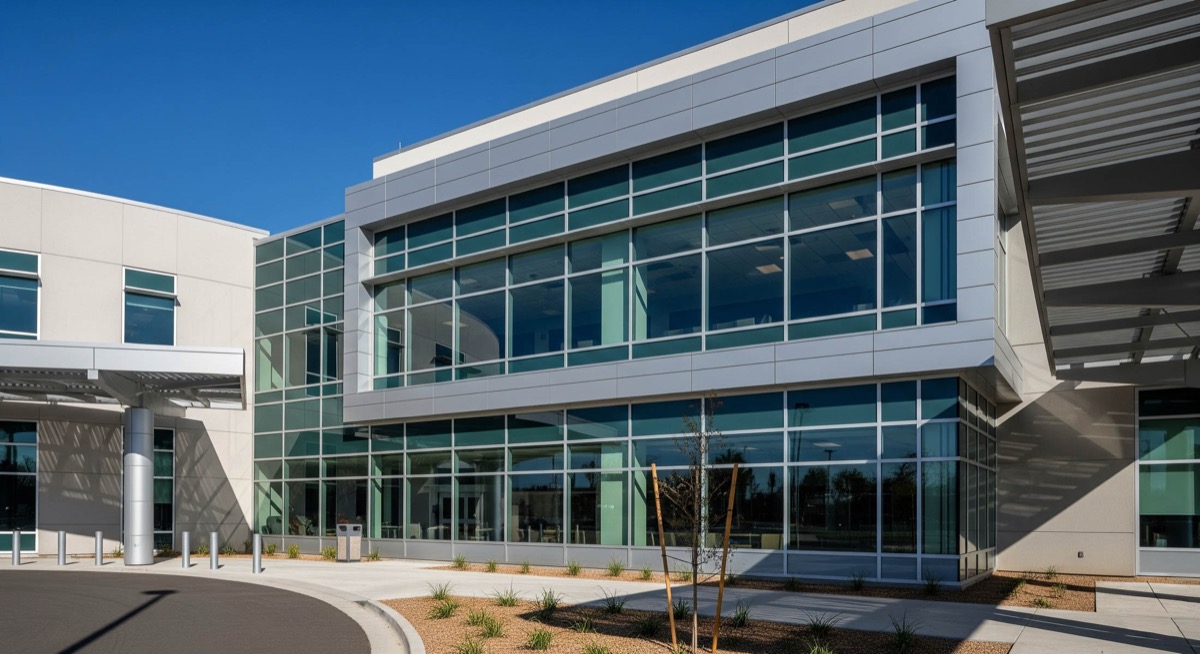
- Hospitals, schools, and civic buildings
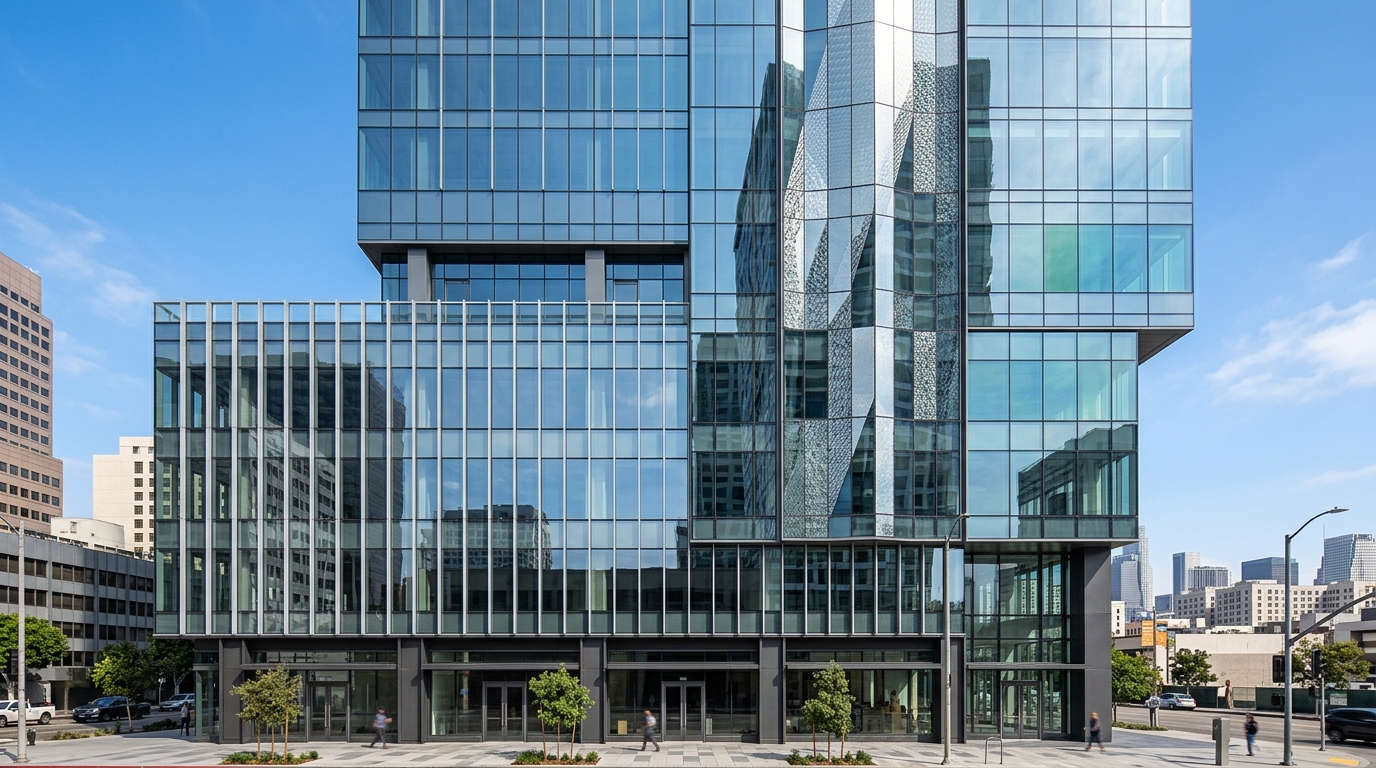
- Transportation centers and lobbies with full-height glass
It is especially valuable in desert and coastal regions, where sun exposure and heat gain can impact building performance year-round.
At Ramos Industries, Inc., we work with architects and general contractors to match the correct Low-E specification to the project's climate, orientation, and energy goals.
Common Considerations
Before selecting Low-E glass, consider the following:
- Glass placement: The coating must be positioned correctly within an IGU to maximize performance
- Orientation: South- and west-facing elevations may benefit from different coatings than shaded or northern exposures
- Aesthetics: Some Low-E coatings have a slight tint or reflectivity. Always review samples during design development
- Budget: While Low-E glass costs more upfront, the long-term energy savings and comfort improvements often offset the investment
Our Expertise in Energy-Efficient Glazing
Ramos Industries delivers code-compliant, high-performance glazing solutions for office buildings, retail centers, public agencies, and more. We regularly source and install Low-E glass from top fabricators and work closely with our clients to ensure every system is field-verified, properly sealed, and correctly oriented.
We also support glazing upgrades and replacements in existing buildings looking to improve energy ratings or tenant experience.
Ready to Improve Energy Efficiency with Smart Glass Choices?
Low-E glass is a smart, future-focused solution that boosts building performance without sacrificing design.
Visit www.ramosindustriesinc.com to explore our glazing capabilities or contact us today to request a consultation for your next commercial project in California or Arizona.
Related Articles
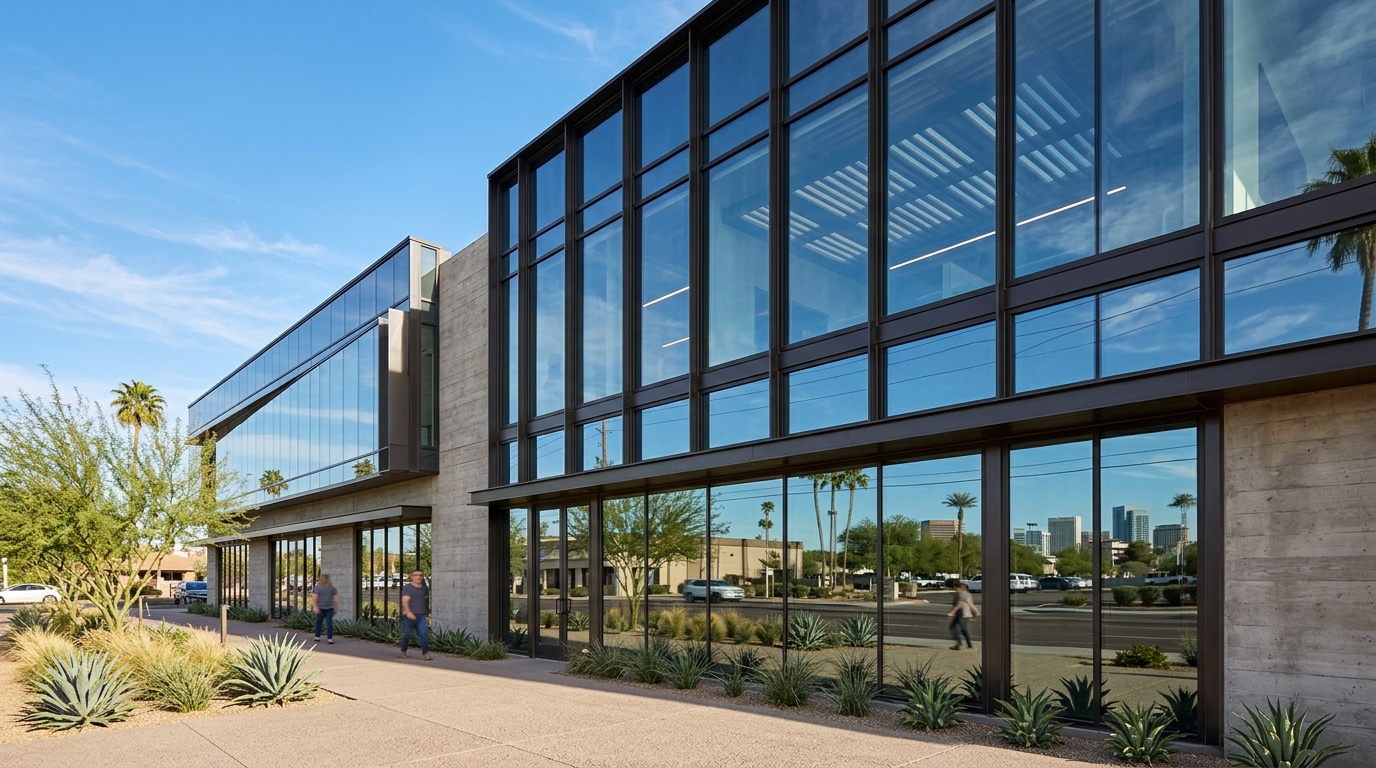
Value-Engineering Glass Without Failing Title 24
Cut glazing cost without failing Title 24: where to value-engineer glass and framing safely, and which SHGC/U-factor moves quietly break compliance.
Commercial Glazing Lead Times in SoCal by System (2026)
2026 commercial glazing lead times in Southern California by system, storefront, curtain wall, unitized, IGUs, and specialty glass, plus what drives delays.
Seismic and Deflection Requirements for SoCal Curtain Wall
Seismic drift and deflection requirements for Southern California curtain wall, AAMA 501.4, L/175 limits, glass bite, and detailing for inter-story movement.
We use cookies and similar technologies to improve your experience on our website.