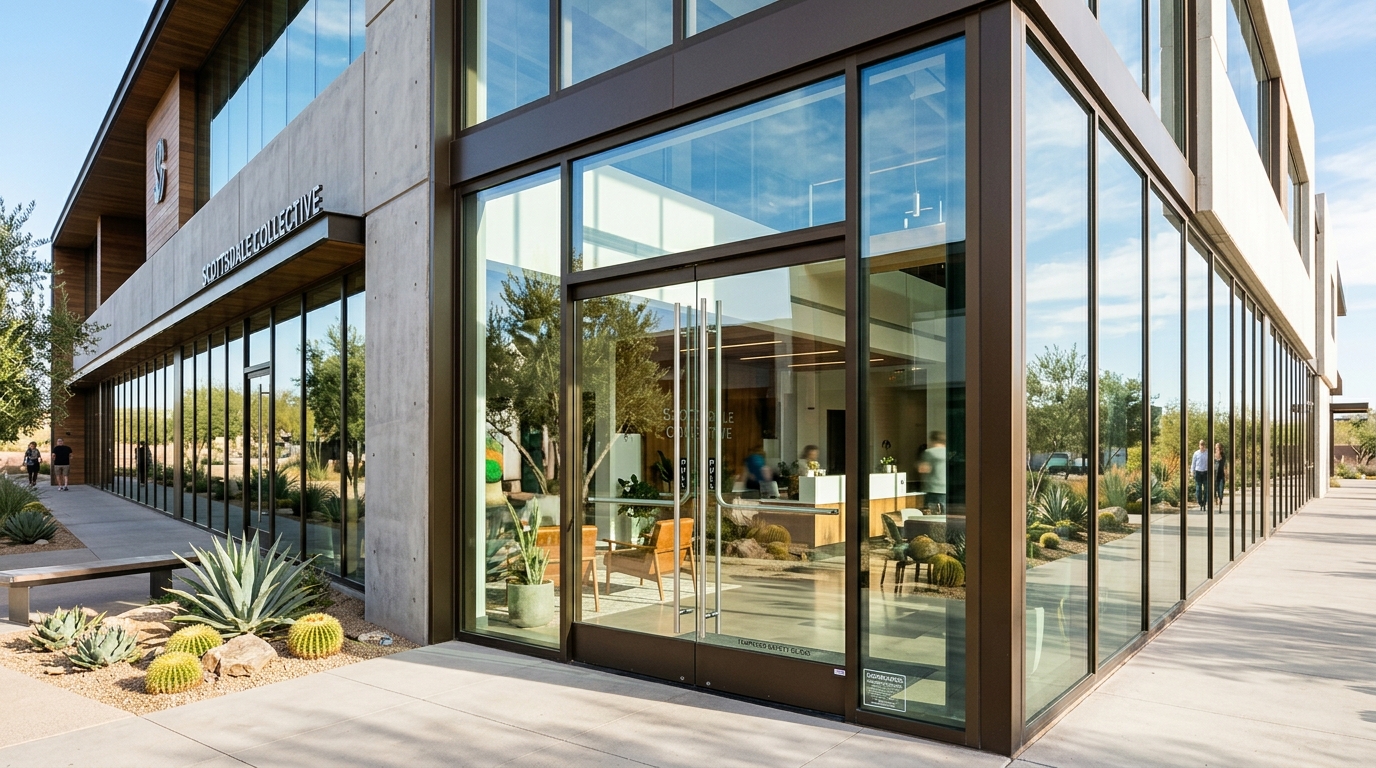
When Is Tempered Glass Required in Commercial Projects?
When Is Tempered Glass Required in Commercial Projects?
Understanding Safety Codes and Practical Use Cases in California and Arizona
Tempered glass is a key safety component in commercial construction, and knowing when it's required is essential for avoiding failed inspections, redesigns, or delays. At Ramos Industries, Inc., we help general contractors, property managers, and developers navigate where and why tempered glass must be used in accordance with building codes across California and Arizona.
This guide breaks down the most common scenarios where tempered glass is mandatory and how to make sure your project stays code-compliant from day one.
What Is Tempered Glass?
Tempered glass is a type of safety glass that's been heat-treated to be four to five times stronger than standard annealed glass. When it breaks, it shatters into small, blunt pieces rather than sharp shards, reducing the risk of injury.
It's often required in commercial spaces where impact risk, human contact, or environmental stress is likely.
Common Situations Where Tempered Glass Is Required
Tempered glass is typically mandated by IBC (International Building Code) and California Building Code in the following commercial applications:
1. Doors and Side Lites
- Any fully glazed door or adjacent glass panel within 24 inches of a door must be tempered
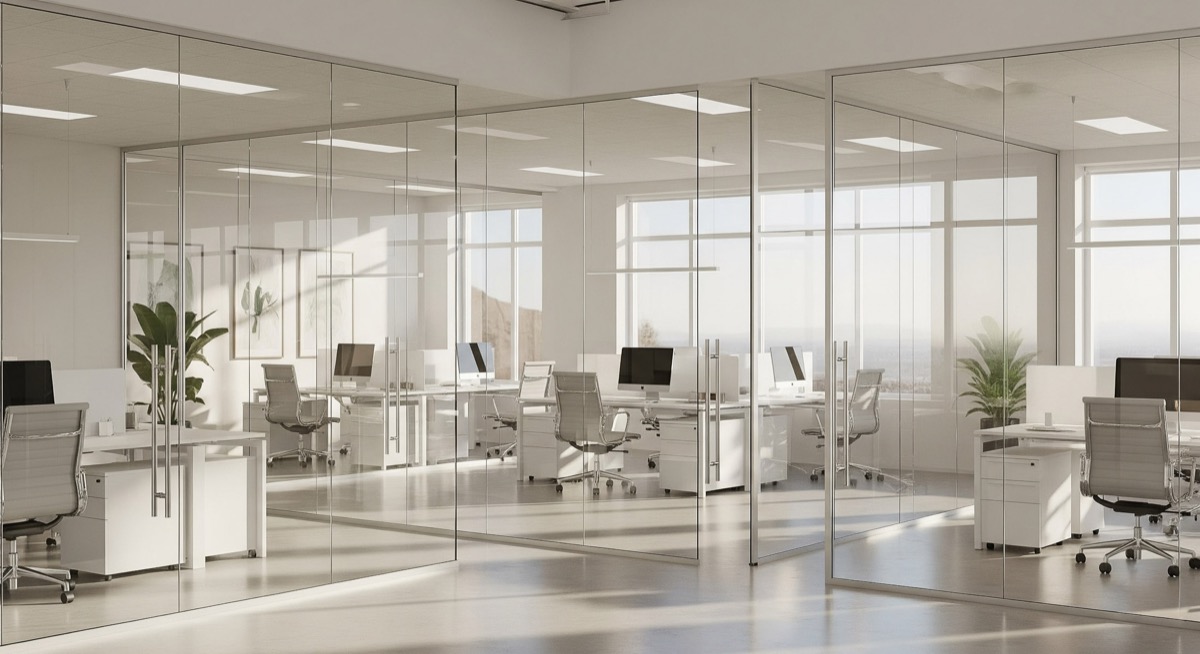
- Applies to storefront entrances, lobby doors, interior frameless glass doors, and conference rooms
2. Glass Near the Floor
- Any glass panel larger than 9 square feet and with a bottom edge within 18 inches of the floor must be tempered if not protected by a barrier
- Often seen in lobby windows, full-height sidelites, and retail display glass
3. Glass in Hazardous Locations
- Any glazing in areas subject to slamming doors, foot traffic, or impact
- Includes gymnasiums, transit terminals, schools, and public restrooms
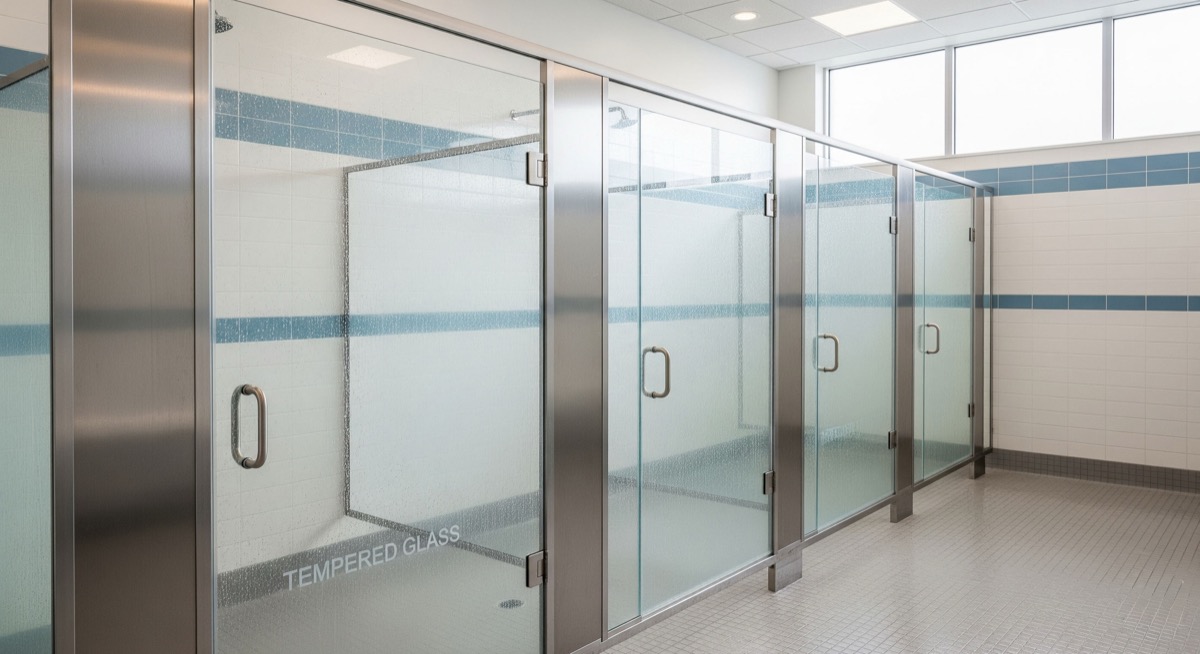
4. Shower Enclosures and Wet Areas
- While more common in residential, tempered glass is also required in locker rooms, hotel bathrooms, and hospital facilities with enclosed wet areas
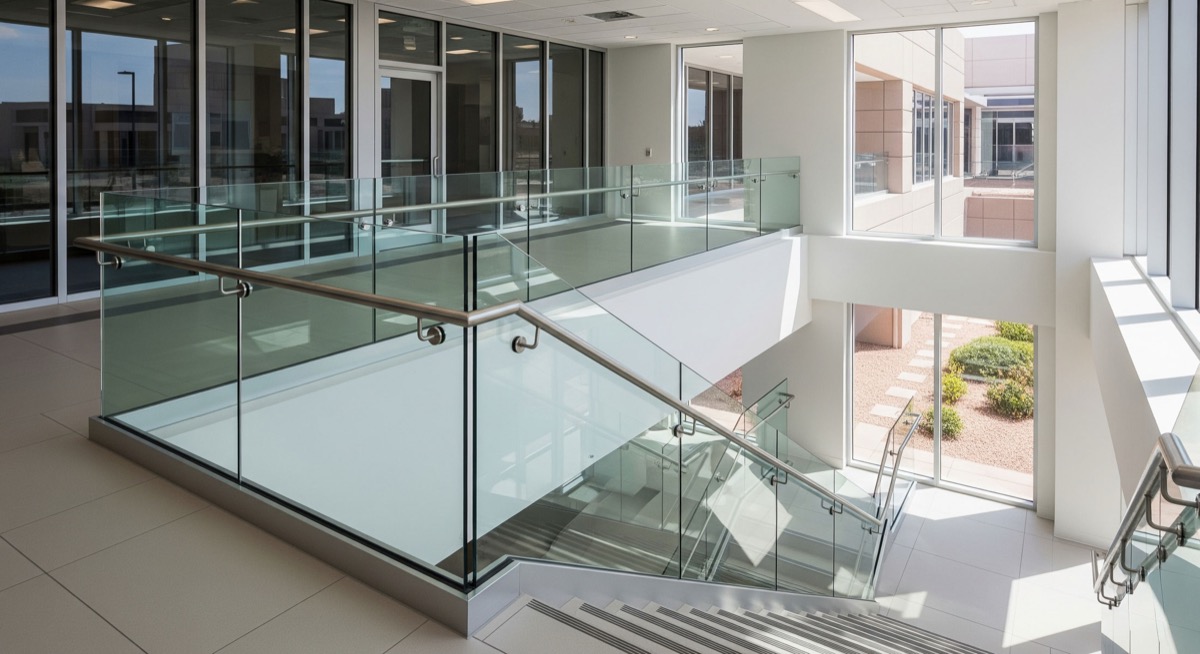
5. Stairwells, Ramps, and Guardrails
- Glazing used in or around handrails, guardrails, or within 36 inches of walking surfaces must be tempered to reduce injury risk in falls or collisions
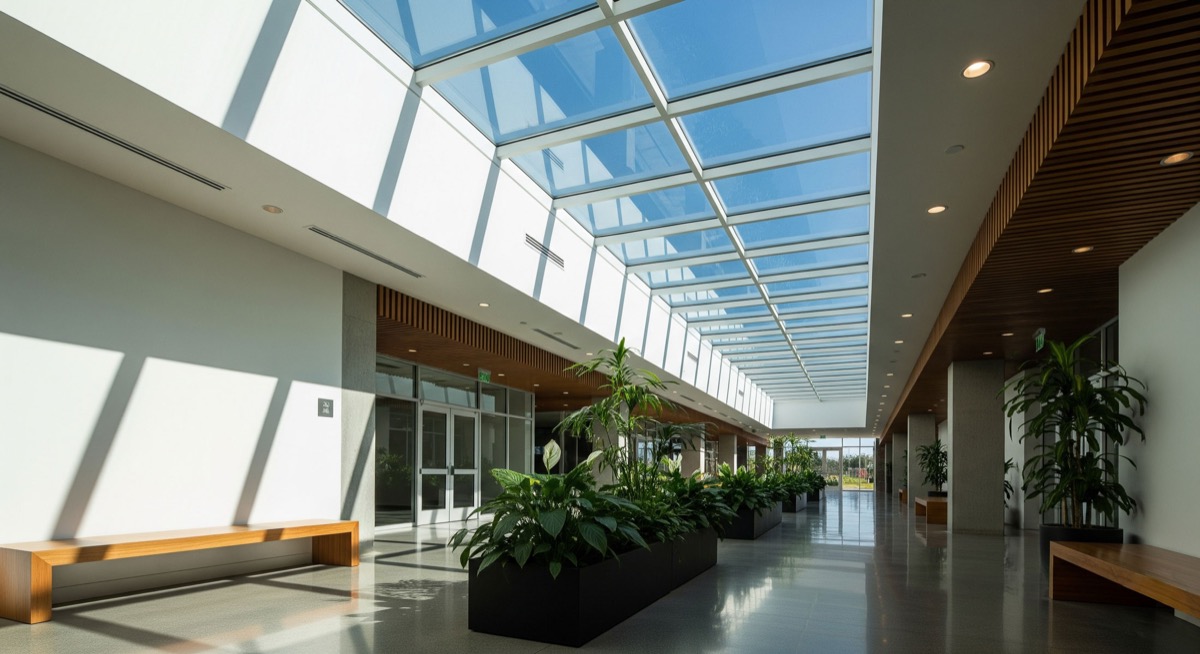
6. Skylights and Overhead Glazing
Overhead applications typically require tempered or laminated safety glazing, especially if the glass is installed above walking surfaces.
Why Tempered Glass Matters in Commercial Design
Code Compliance
- Ensures your project meets IBC, CBC, and other local requirements
- Helps avoid last-minute rework or failed inspections
Occupant Safety
- Reduces the risk of injury in high-traffic or high-impact zones
- Required in schools, hospitals, offices, and retail centers
Durability and Strength
- Withstands greater pressure and impact than standard annealed glass
- Ideal for large-span storefronts and frameless applications
Clean, Modern Design
- Allows for open, frameless, and minimal hardware installations
- Common in corporate interiors, universities, and mixed-use buildings
What to Consider When Specifying Tempered Glass
- Verify all door and adjacent glass locations during design and shop drawing review
- Use tempered glass in any unguarded glazing near the floor or in path-of-travel areas
- Consult with your glazing contractor early to ensure correct glass types are ordered and labeled properly
Remember, tempered glass cannot be cut after fabrication, so exact measurements are critical.
Ramos Industries Helps You Stay Code-Compliant
Our team works closely with general contractors and project managers to ensure all required safety glass is correctly specified, ordered, and installed. Whether you're building a retail storefront, healthcare center, or multi-level office, we provide field-proven solutions that meet safety, durability, and aesthetic requirements.
We've delivered tempered glass systems across California and Arizona, always with a focus on precision, safety, and staying ahead of inspection timelines.
Have Questions About Safety Glass Requirements?
Tempered glass isn't just a best practice, it's often a code requirement. Make sure your commercial project gets it right the first time.
Visit www.ramosindustriesinc.com to learn more or contact us today to review your glass specifications for compliance and performance.
Related Articles
Value-Engineering Glass Without Failing Title 24
Cut glazing cost without failing Title 24: where to value-engineer glass and framing safely, and which SHGC/U-factor moves quietly break compliance.
Commercial Glazing Lead Times in SoCal by System (2026)
2026 commercial glazing lead times in Southern California by system, storefront, curtain wall, unitized, IGUs, and specialty glass, plus what drives delays.
Seismic and Deflection Requirements for SoCal Curtain Wall
Seismic drift and deflection requirements for Southern California curtain wall, AAMA 501.4, L/175 limits, glass bite, and detailing for inter-story movement.
We use cookies and similar technologies to improve your experience on our website.