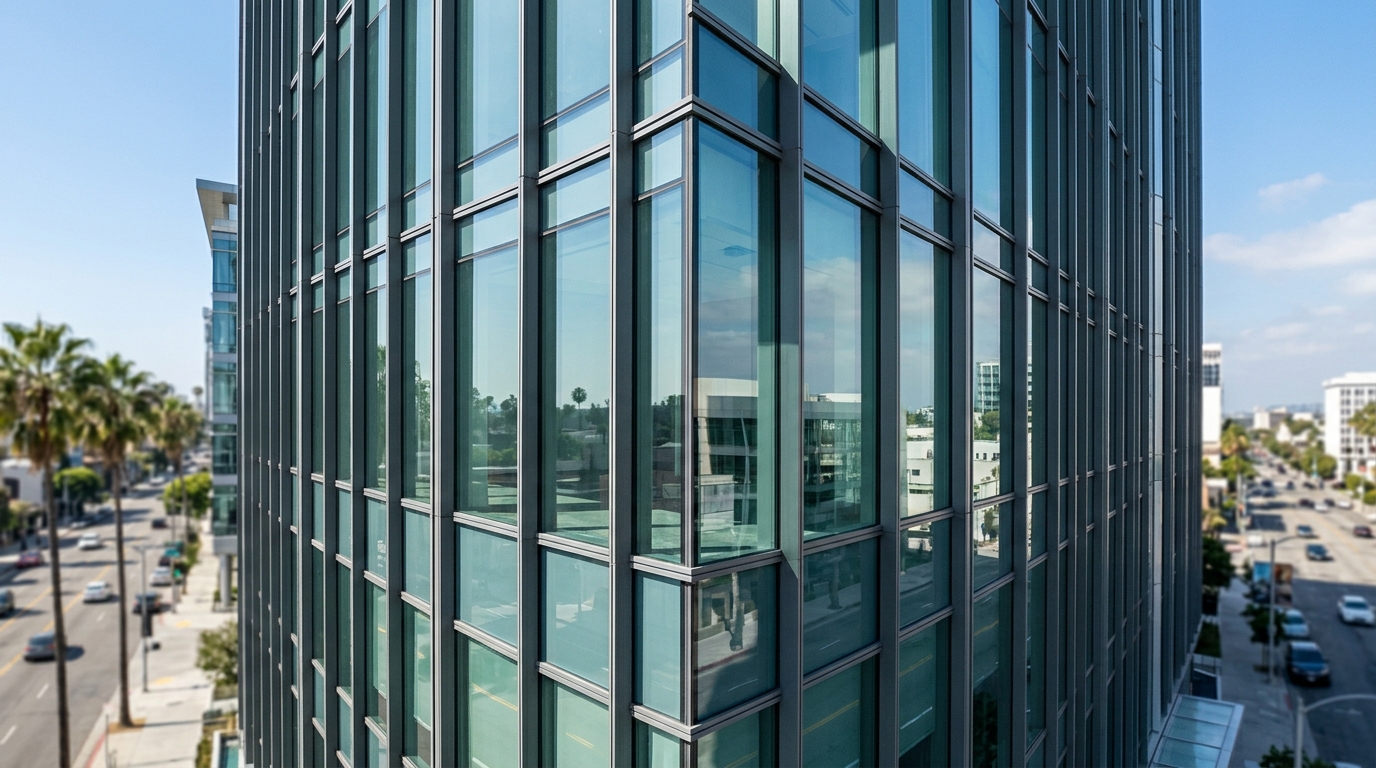
2025-2026 California Energy Code Changes Affecting Glazing
California's Title 24, Part 6 energy code tightens on a three-year cycle, and for commercial glazing the direction is consistent: lower U-factors (better insulation), tighter SHGC (solar heat gain coefficient) limits to cut cooling load, and continued reliance on NFRC-certified ratings for every fenestration product. For projects permitting in the 2025-2026 window, plan around high-performance Low-E insulated glazing units (IGUs) in thermally broken framing, and verify your assemblies against the prescriptive limits or document a performance (whole-building) compliance path.
What the code actually regulates
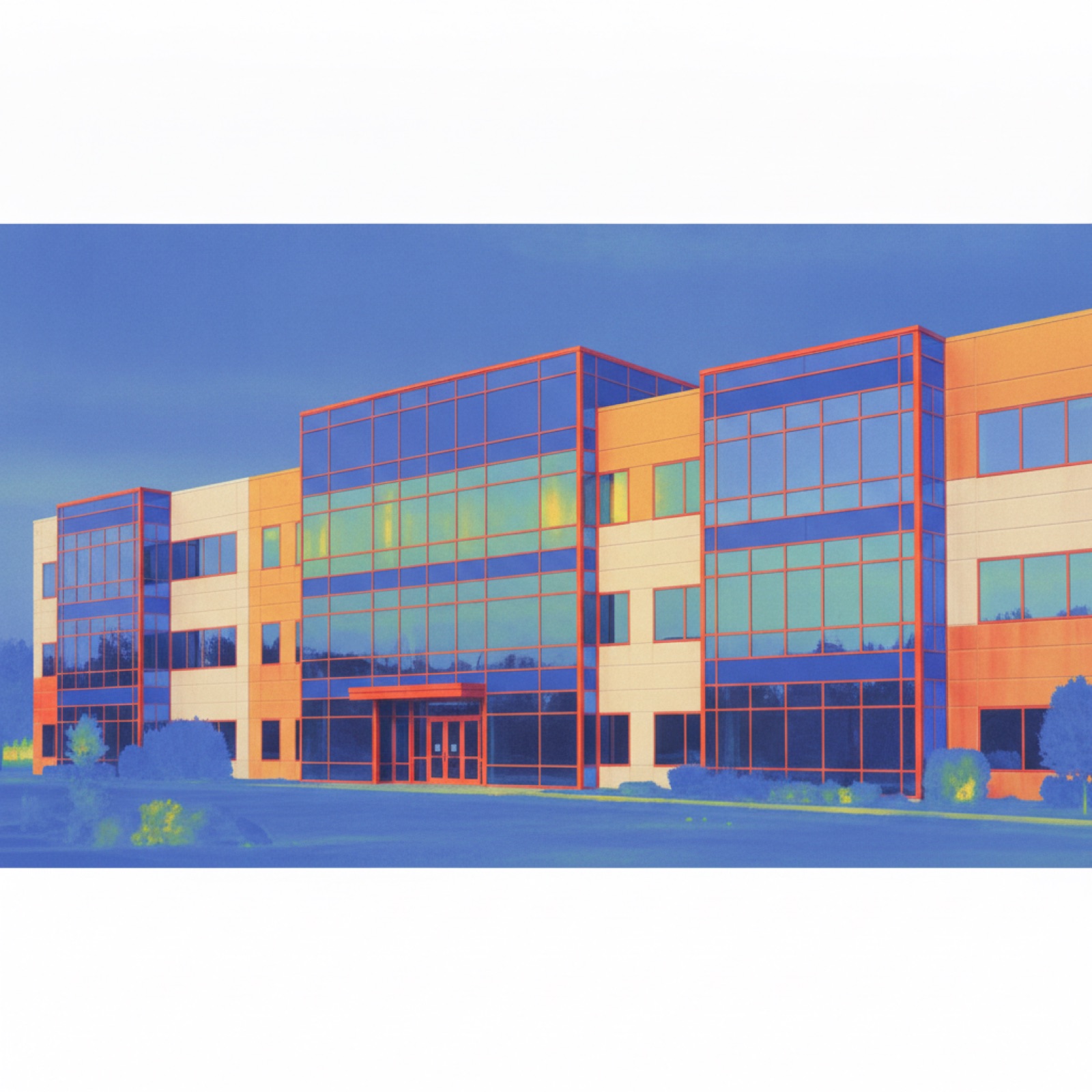
Title 24 governs fenestration through three glazing metrics plus framing performance. U-factor measures how much heat conducts through the whole assembly (glass + frame), lower is better. SHGC measures how much solar heat passes through, lower reduces cooling load, which matters everywhere in California's cooling-dominated climate zones. Visible transmittance (VT) measures daylight, and the code increasingly rewards a high VT-to-SHGC ratio (selective Low-E coatings that let light in but keep heat out). Crucially, the code regulates the rated assembly, not the bare glass, so the framing and thermal break are part of compliance.
The two compliance paths
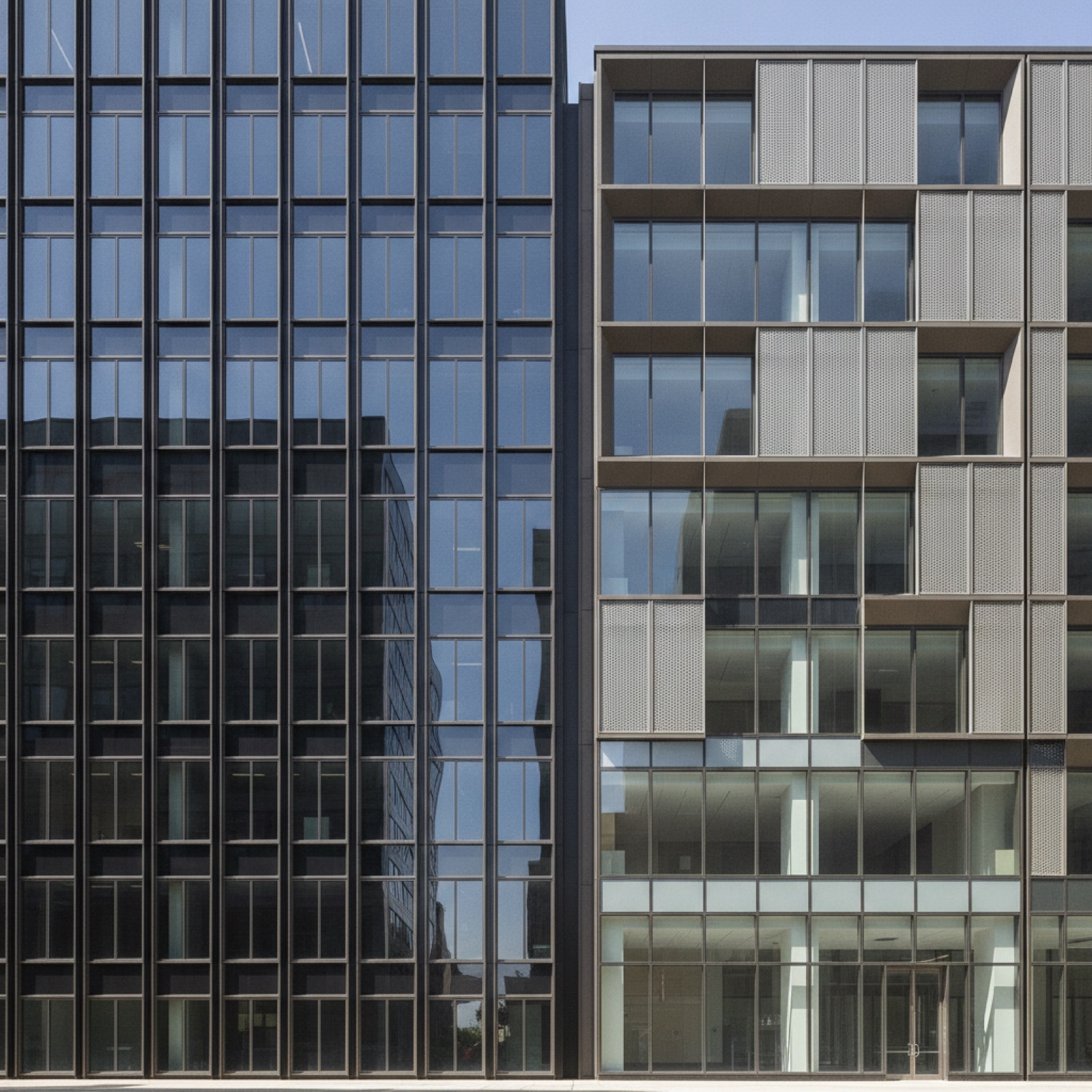
Most commercial projects choose between two routes. The prescriptive path requires each fenestration product to meet a maximum U-factor and SHGC for its climate zone, simple, but inflexible. The performance path models the whole building's energy use and lets you trade a slightly weaker window against, say, better mechanical or more shading. For glass-heavy facades that exceed the prescriptive window-to-wall ratio, the performance path is usually the only way to comply.
Representative metrics to design around

Climate zone drives the exact numbers, so confirm the current values for your zone in the adopted standards, but the planning targets for nonresidential fixed glazing land in these ranges:
| Metric | Typical commercial target | How you hit it |
|---|---|---|
| U-factor (fixed) | ~0.34–0.36 or lower | Thermally broken frame + dual-pane Low-E IGU (argon) |
| SHGC | ~0.22–0.25 in hot zones | Spectrally selective (solar-control) Low-E coating |
| VT | Maximize vs. SHGC | High-performance "selective" Low-E (high VT/SHGC) |
| Rating basis | NFRC-certified | Use NFRC-labeled, certified assemblies |
| Air leakage | Per ASTM E283 | Thermally broken, well-sealed framing |
Always treat these as planning numbers and pull the zone-specific values from the code adopted by your AHJ.
What this means for your spec

Three practical moves keep projects compliant. First, specify the assembly, not just the glass, call out thermally broken aluminum and an NFRC-rated U-factor/SHGC for the framed product. Second, lean on spectrally selective Low-E: modern dual-silver and triple-silver coatings hit aggressive SHGC targets while keeping VT high, which also helps with daylighting credits. Third, budget for shading on west and south elevations, exterior sunshades, fins, or fritted spandrel can lower the effective SHGC and ease performance-path modeling.
Don't forget documentation. NFRC certification, the ASTM E283 air-infiltration data, and (for IGU durability) ASTM E2190 certification are what the plan checker and the owner's commissioning agent will look for. A glass that meets SHGC on paper but ships without NFRC labeling can stall a permit.
Plan your glazing for the current code
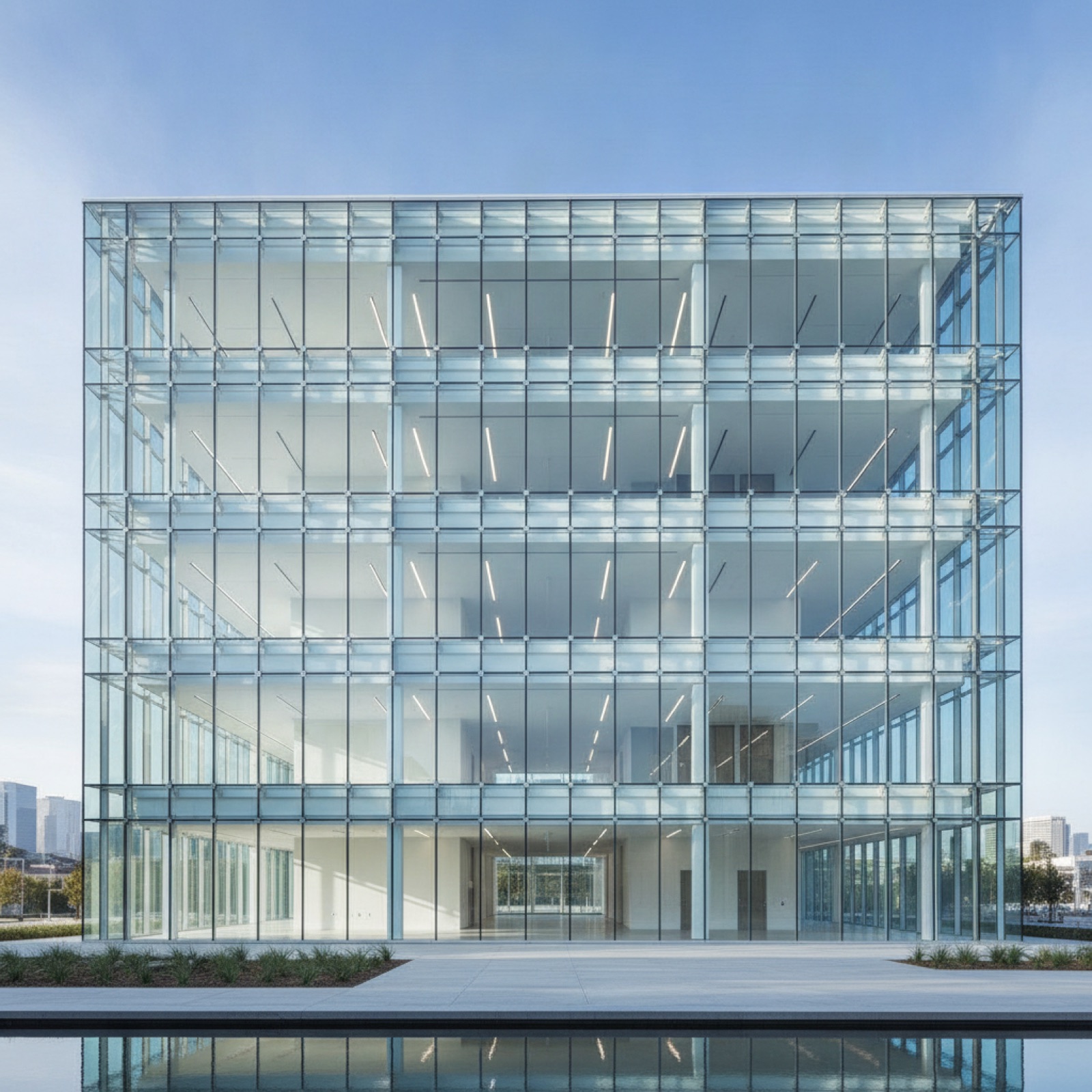
Ramos Industries (CA C-17 #1034872, AZ ROC #343677, serving SoCal and the Phoenix metro since 1987) specs and installs Title 24-compliant Low-E curtain wall, storefront, and window-wall with NFRC-rated assemblies, written submittals, and warranty backing by our own W-2 crews. We'll match the glass, coating, and framing to your climate zone and compliance path. Request a Glazing Bid or download the free Commercial Glazing Spec Kit for the current Title 24 glazing checklist.
Frequently Asked Questions
Does Title 24 regulate the glass or the whole window?
The whole assembly. Title 24 compliance is based on the NFRC-rated U-factor and SHGC of the framed fenestration product, glass plus framing plus thermal break, not the center-of-glass value alone. That's why thermally broken aluminum is effectively required to pass.
What's the difference between the prescriptive and performance compliance paths?
The prescriptive path sets fixed maximum U-factor and SHGC limits each product must meet for its climate zone. The performance path models the whole building's energy use and lets you trade glazing performance against other systems. Glass-heavy facades that exceed the prescriptive window-to-wall ratio typically must use the performance path.
How do I lower SHGC without making the building dark?
Use spectrally selective (dual- or triple-silver) Low-E coatings that block solar heat while passing visible light, a high VT-to-SHGC ratio. Adding exterior shading like sunshades or fins on south and west elevations further lowers effective SHGC and can ease performance-path modeling.
Related Articles
Value-Engineering Glass Without Failing Title 24
Cut glazing cost without failing Title 24: where to value-engineer glass and framing safely, and which SHGC/U-factor moves quietly break compliance.
Commercial Glazing Lead Times in SoCal by System (2026)
2026 commercial glazing lead times in Southern California by system, storefront, curtain wall, unitized, IGUs, and specialty glass, plus what drives delays.
Seismic and Deflection Requirements for SoCal Curtain Wall
Seismic drift and deflection requirements for Southern California curtain wall, AAMA 501.4, L/175 limits, glass bite, and detailing for inter-story movement.