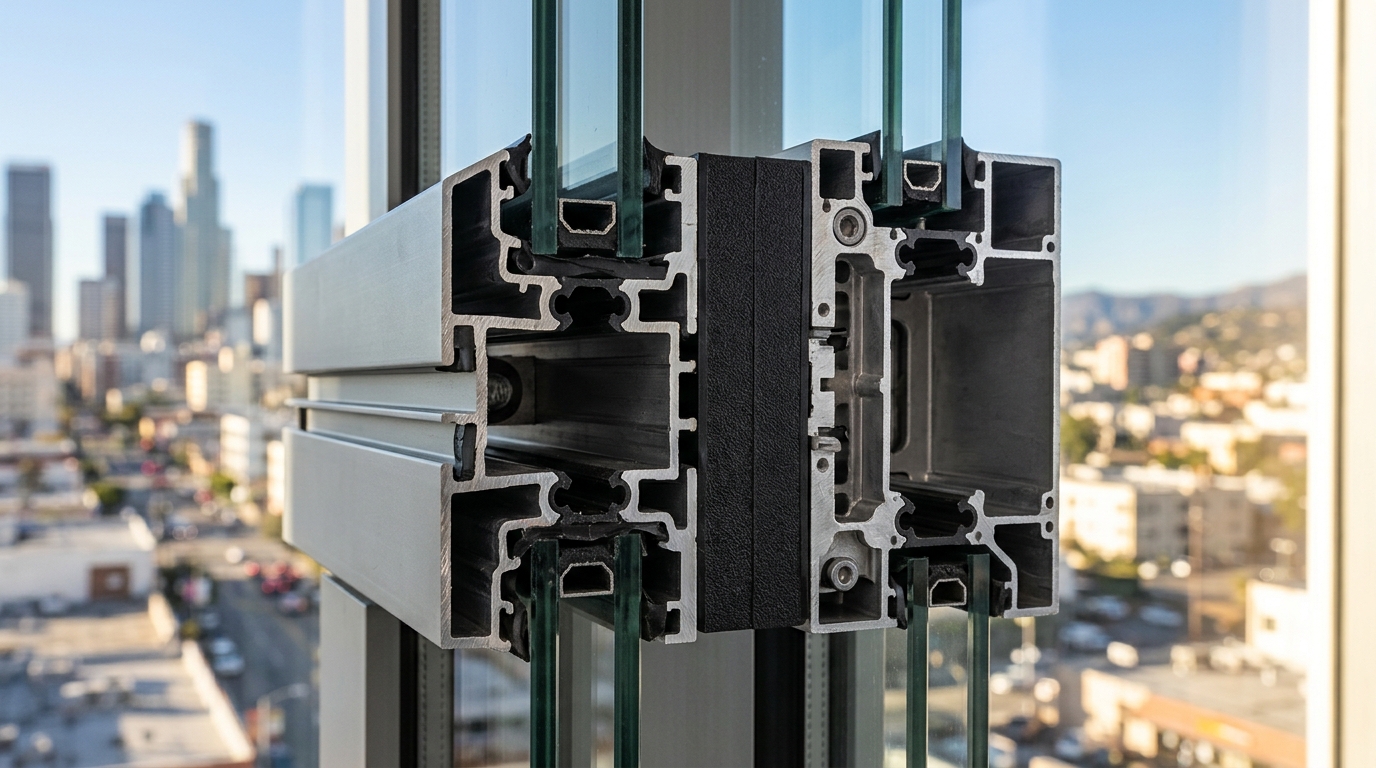
Thermal-Break vs. Non-Thermal Aluminum Framing (and What It Costs You in Title 24)
Use thermal-break aluminum framing on virtually every conditioned commercial building in California or Arizona, the polymer barrier inside the mullion sharply lowers the assembly U-factor and is usually what makes the project pencil under Title 24. Non-thermal framing only belongs in unconditioned spaces (parking structures, warehouses, breezeways) or interior partitions where energy code doesn't apply. Specify non-thermal on a conditioned envelope and you'll typically fail the energy model, or be forced to over-spend on glass to compensate.
What a thermal break actually does
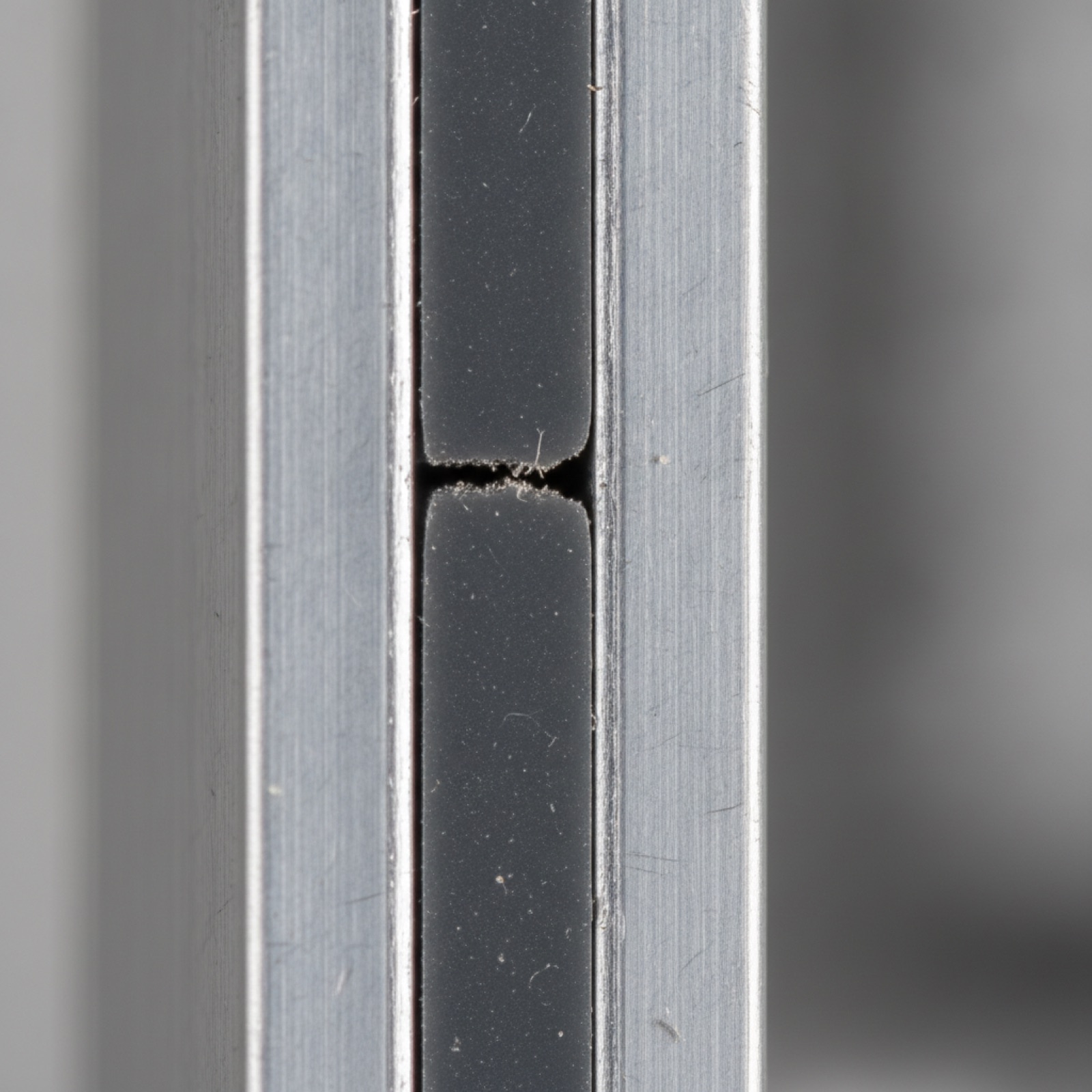
Bare aluminum conducts heat extremely well, which is great for a heat sink and terrible for a building envelope. A thermal break is a low-conductivity polymer strut, commonly polyamide or poured-and-debridged polyurethane, that physically separates the interior and exterior aluminum, interrupting the conductive path. The result is a meaningfully lower frame U-factor and a warmer interior frame surface, which also reduces condensation risk (a higher CRF, condensation resistance factor).
Without it, the metal frame becomes a thermal bridge: heat pours out in winter and in during summer, and the frame can sweat in humid or cold conditions regardless of how good the glass is.
The Title 24 math

California Title 24, Part 6 regulates fenestration by U-factor (heat transfer) and SHGC (solar heat gain), with values varying by climate zone and assembly. The framing material is part of the whole-assembly U-factor, you can't get full credit for a high-performance IGU sitting in a conductive non-broken frame, because the frame drags the assembly number up.
| Trait | Non-Thermal Framing | Thermal-Break Framing |
|---|---|---|
| Frame conductive path | Continuous aluminum | Interrupted by polymer strut |
| Assembly U-factor | Higher (worse) | Lower (better) |
| Condensation resistance (CRF) | Lower, frame sweats | Higher, warmer interior frame |
| Title 24 conditioned-space fit | Usually fails | Compliant path |
| Material cost | Lower | Modestly higher |
| Where it belongs | Unconditioned / interior | Conditioned envelope |
The practical takeaway: skipping the thermal break to save a little on extrusions usually forces you to buy more expensive glass (better Low-E, triple coatings, or even an extra IGU lite) to claw back the U-factor, often a worse deal than just specifying broken framing from the start. And in marginal climate zones, no glass upgrade fully compensates for a conductive frame.
How the assembly is verified
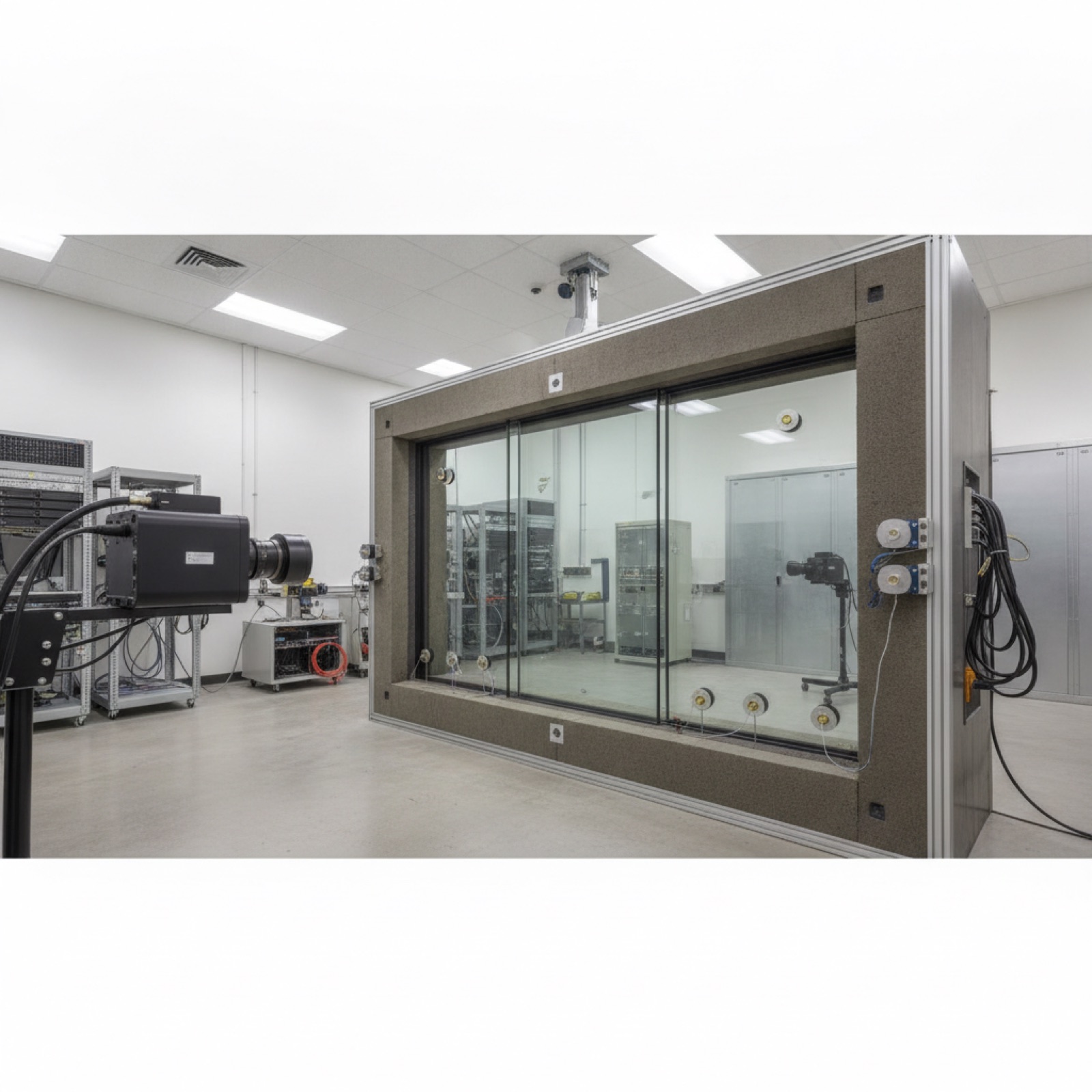
Fenestration U-factor and SHGC are established by NFRC rating procedures (NFRC 100 for U-factor, NFRC 200 for SHGC), which is the data the Title 24 energy model relies on. On structural and weather performance, thermal and non-thermal framing are still held to the same ASTM E283/E331/E330 air-water-structural suite and AAMA 501 field/lab tests, the thermal break changes the energy number, not the structural rating. IBC safety-glazing still governs hazardous locations regardless of framing.
Where Ramos lands the spec
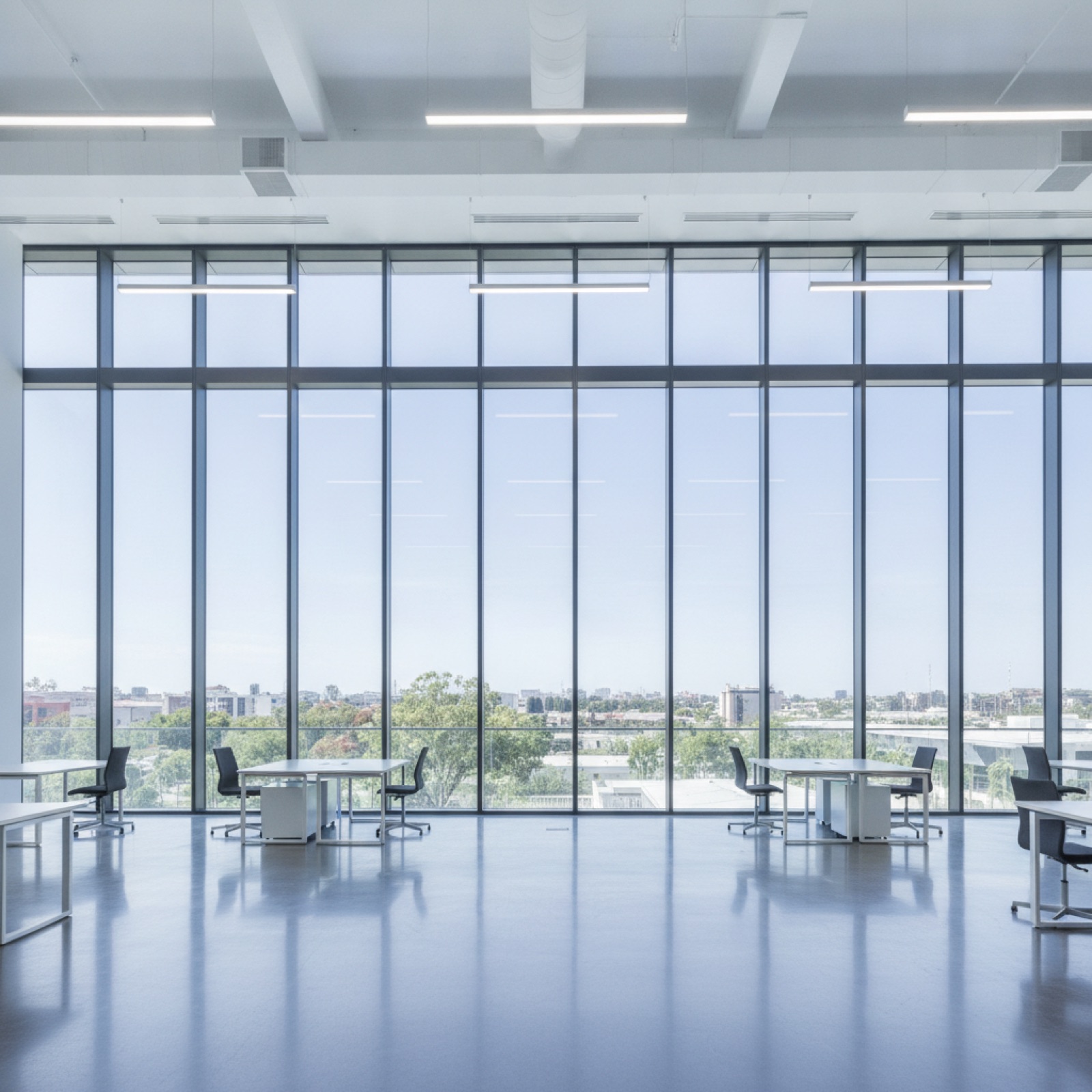
Ramos Industries specifies the framing to the actual Title 24 climate zone and the building's conditioned/unconditioned split, and proves it in a written submittal with the assembly U-factor and SHGC, not a generic catalog cut sheet. As a licensed commercial glazing contractor (CA C-17 #1034872, AZ ROC #343677) with 35+ years since 1987, W-2 installers, and warranty-backed installations across SoCal and the Phoenix metro, we make sure the frame, the IGU, and the energy model agree before fabrication, so there are no surprises at inspection.
Request a Glazing Bid and we'll size the thermal break to your energy target, or download the free Commercial Glazing Spec Kit to see how framing choice moves your Title 24 numbers.
Frequently Asked Questions
Can I skip the thermal break and just buy better glass?
Sometimes the model allows it, but it's usually a worse deal. A conductive frame drags up the whole-assembly U-factor, so you end up paying for premium Low-E or extra lites to compensate, often more than the thermal break would have cost, and in cold climate zones it may still fail.
Does non-thermal framing ever make sense?
Yes, in unconditioned spaces like parking garages, warehouses, and breezeways, or interior partitions where Title 24 fenestration rules don't apply. There's no energy penalty when the space isn't conditioned.
How is the U-factor for my framed assembly determined?
Through NFRC rating procedures (NFRC 100 for U-factor, NFRC 200 for SHGC), which feed the Title 24 energy model. The rating reflects the whole assembly, frame plus glass, not the glass alone.
Related Articles
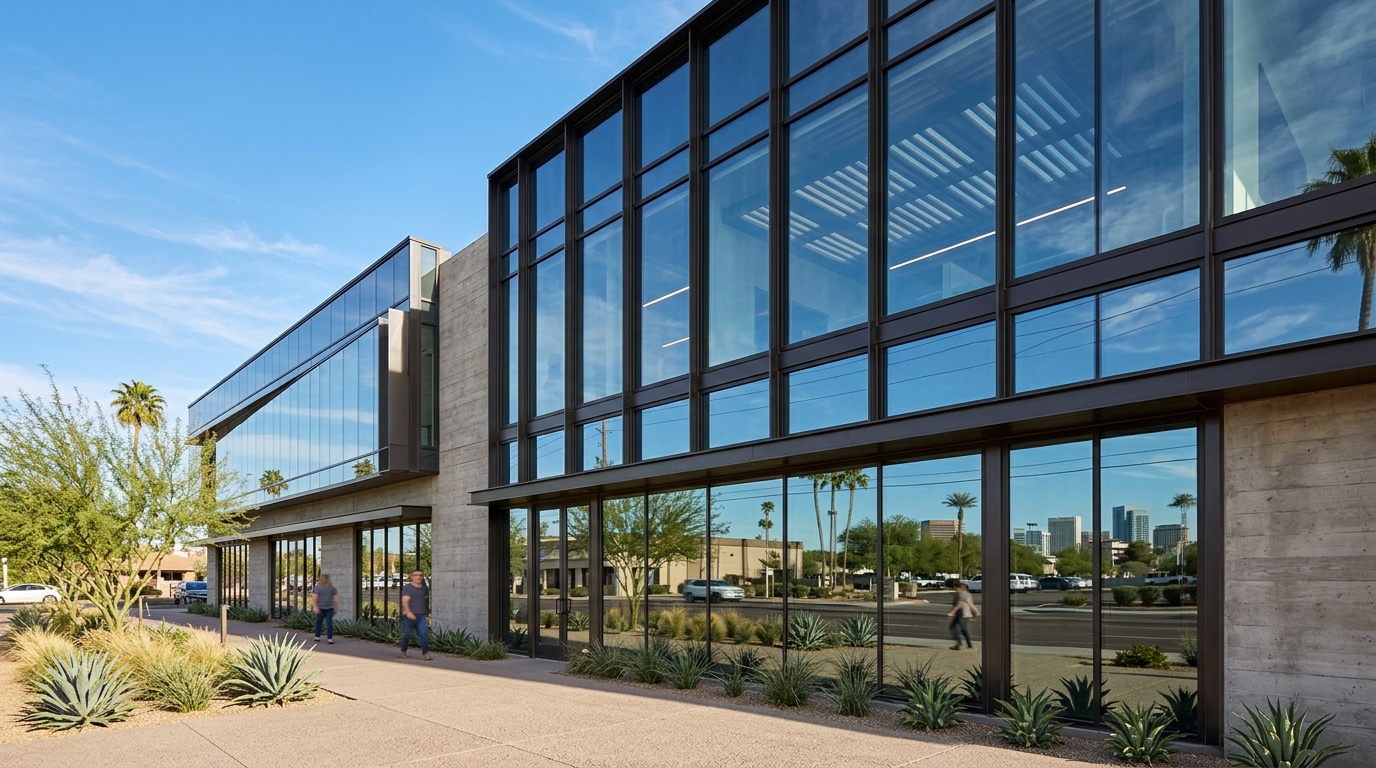
Value-Engineering Glass Without Failing Title 24
Cut glazing cost without failing Title 24: where to value-engineer glass and framing safely, and which SHGC/U-factor moves quietly break compliance.
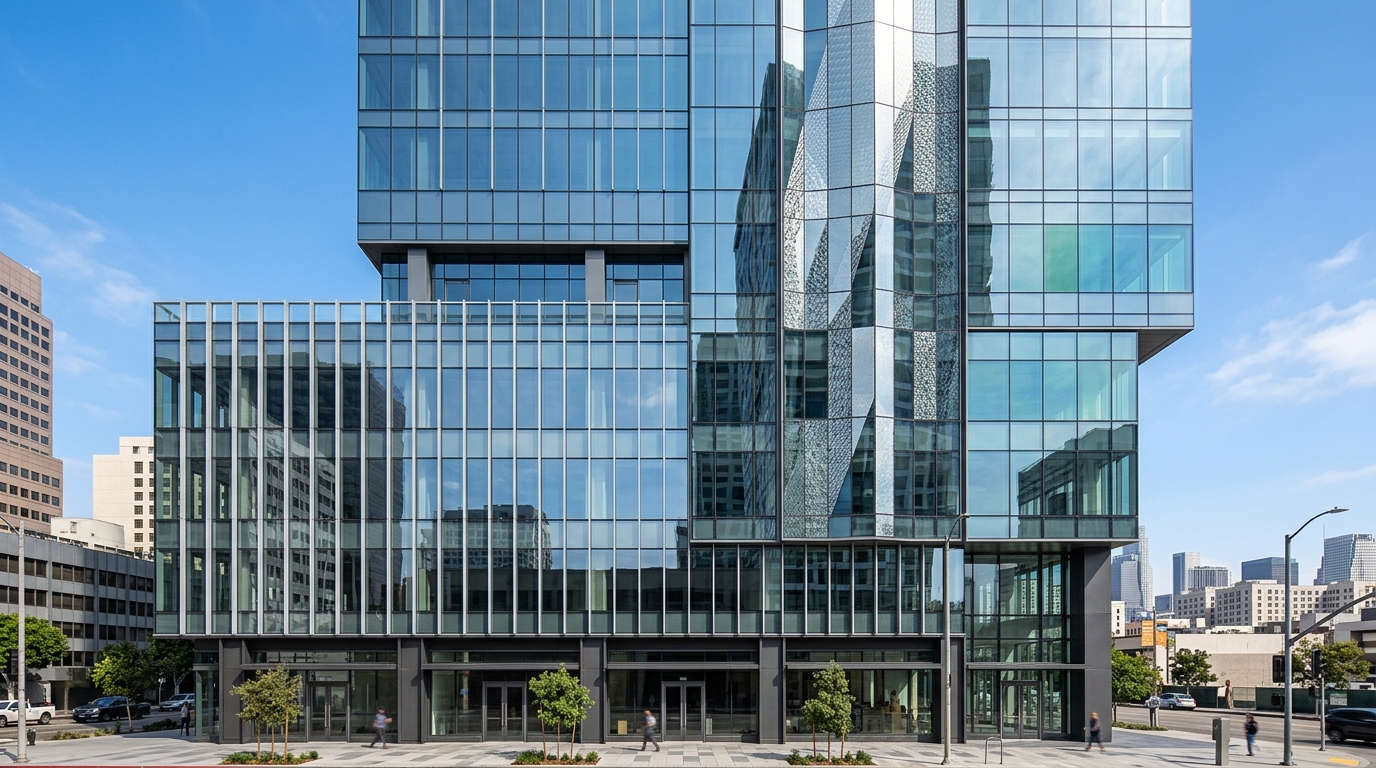
Commercial Glazing Lead Times in SoCal by System (2026)
2026 commercial glazing lead times in Southern California by system, storefront, curtain wall, unitized, IGUs, and specialty glass, plus what drives delays.
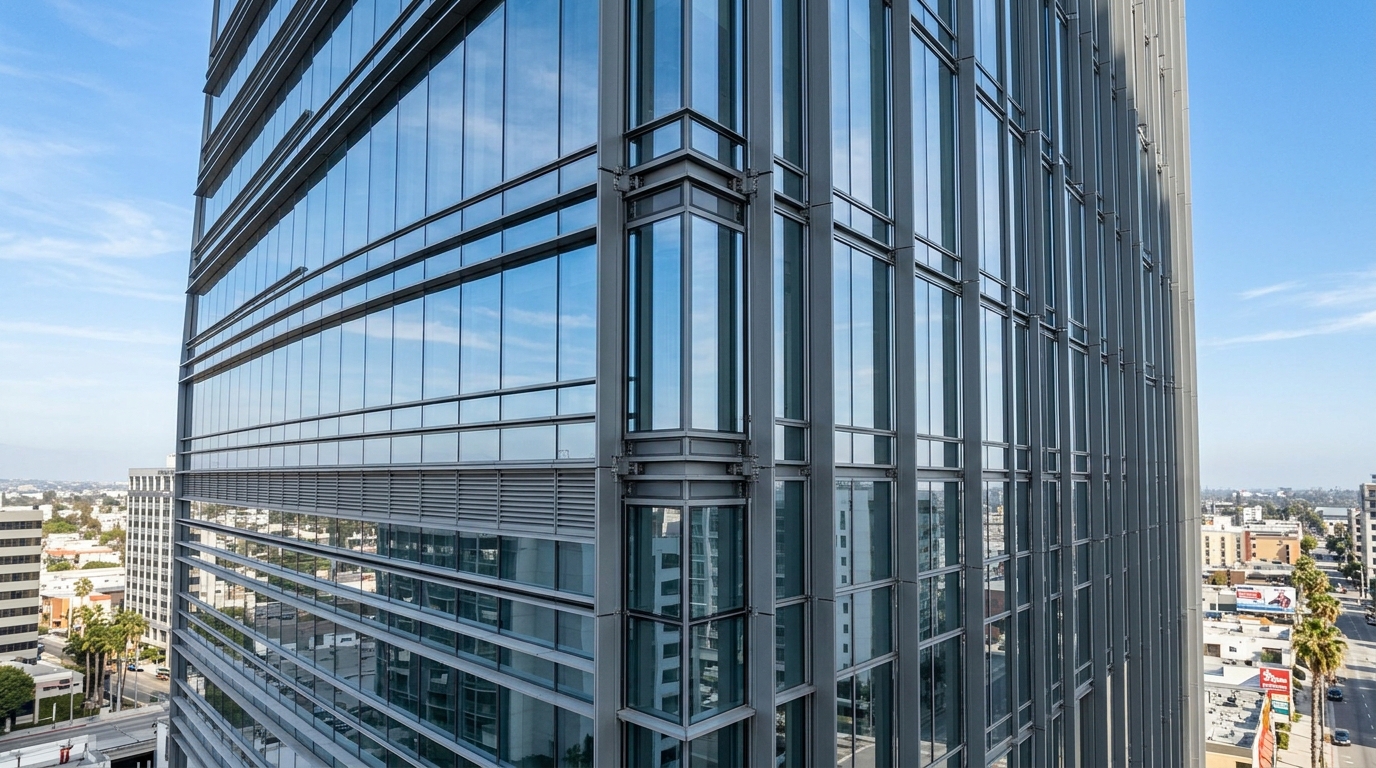
Seismic and Deflection Requirements for SoCal Curtain Wall
Seismic drift and deflection requirements for Southern California curtain wall, AAMA 501.4, L/175 limits, glass bite, and detailing for inter-story movement.
We use cookies and similar technologies to improve your experience on our website.