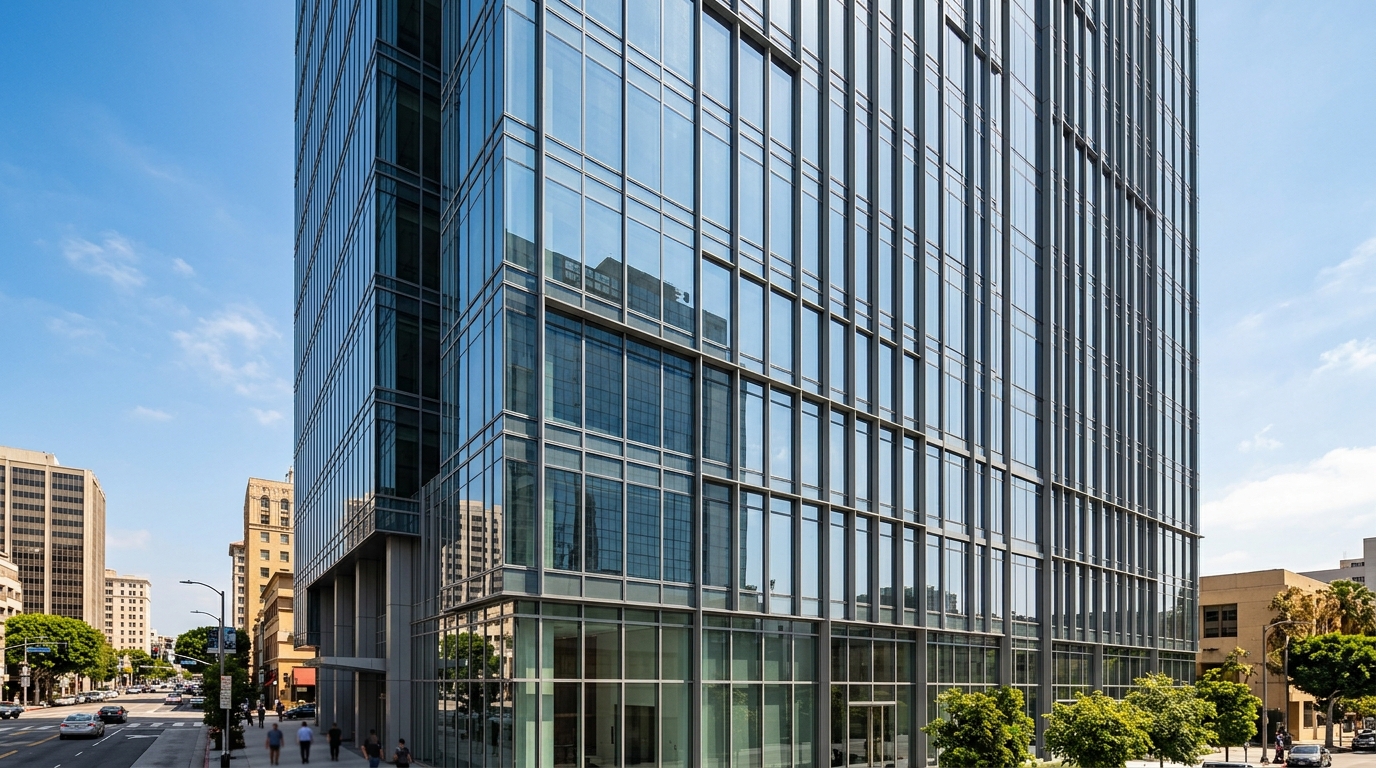
Commercial Facade and Glazing Trends for 2026
Commercial facade design in 2026 is driven by four forces: tighter Title 24 energy targets, a shift toward unitized and prefabricated curtain wall to compress jobsite schedules, high-performance thermally broken aluminum and triple-coat Low-E glass, and growing owner interest in dynamic and solar-integrated glazing. For GCs and owners in SoCal and the Phoenix metro, the practical takeaway is that the cheapest storefront line no longer pencils once you factor energy code, comfort, and labor availability.
Unitized and prefabricated curtain wall keep gaining
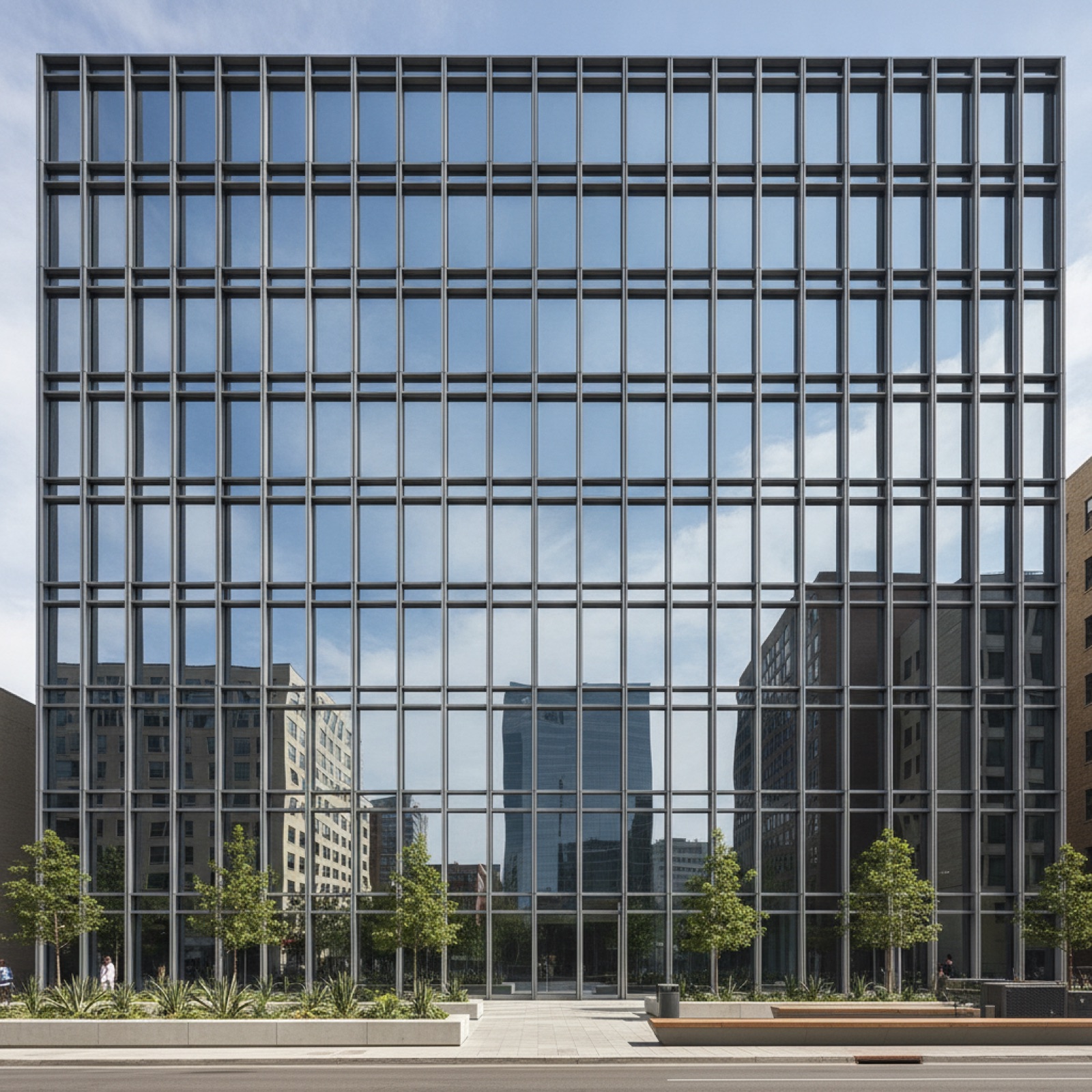
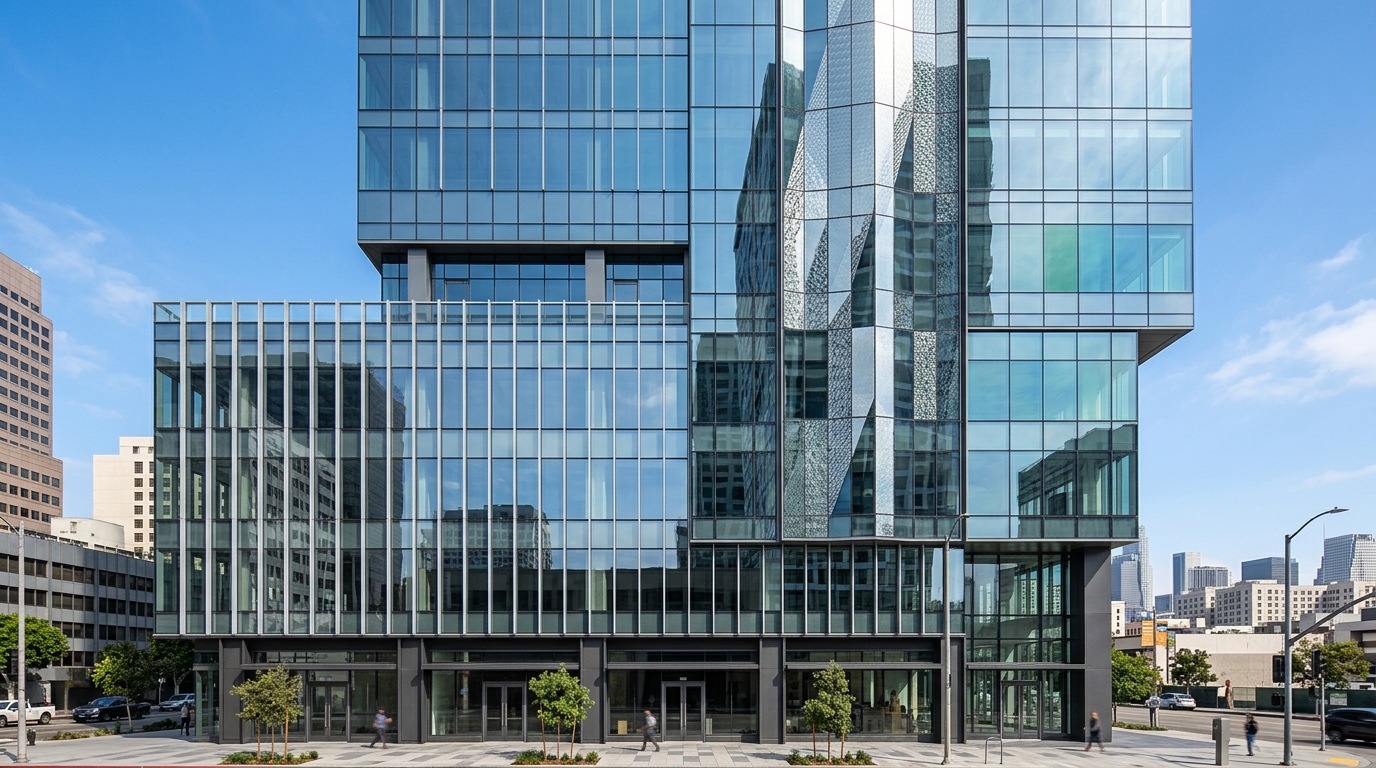
Stick-built curtain wall still dominates low-rise and tenant work, but on mid-rise and tight-site projects, unitized systems are winning because they move glazing labor off the critical path and into a controlled shop. Pre-assembled panels arrive complete with the IGU, mullion, and structural silicone joint already cured, so field crews dry-in faster and weather exposure drops. The tradeoff is longer up-front lead time and earlier design freeze, you commit to the facade before you'd commit a stick system.
| System | Best fit | Field labor | Lead time | Schedule impact |
|---|---|---|---|---|
| Storefront | Ground floor, entries, low-rise | Low | Short | Minimal |
| Stick-built curtain wall | Low/mid-rise, design flexibility | High | Moderate | Weather-exposed |
| Unitized curtain wall | Mid/high-rise, tight sites | Low (field) | Long | Compresses critical path |
Title 24 pushes glass and frame performance
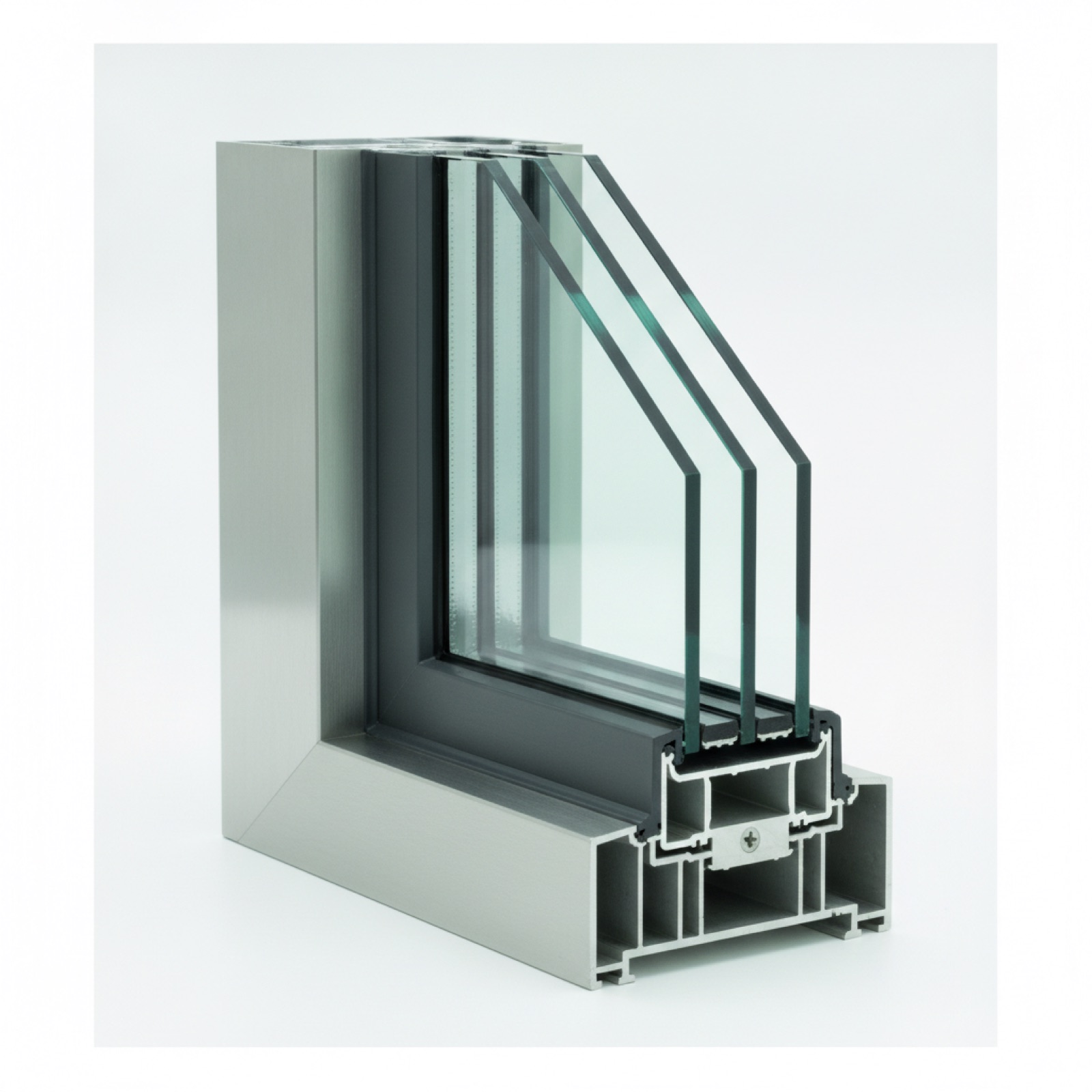
California's energy code keeps tightening prescriptive envelope targets, which means the assembly, not just the glass, has to perform. A non-thermally-broken aluminum frame can sink an otherwise good IGU's whole-window U-factor, so 2026 specs lean on polyamide thermal breaks, warm-edge spacers, and dual- or triple-silver Low-E coatings to hit both SHGC and U-factor without over-tinting the vision glass.
| Metric | Typical 2026 commercial target | Driver |
|---|---|---|
| SHGC (vision) | ~0.22–0.25 | Title 24 cooling-load limits |
| U-factor (assembly) | ~0.30–0.36 | Title 24, occupant comfort |
| VLT | ~40–60% | Daylighting credit, glare control |
| Low-E | Dual/triple-silver | SHGC without heavy tint |
Arizona projects don't answer to Title 24, but the cooling-load logic is identical, in Phoenix, SHGC control and a real thermal break are the difference between a comfortable lease and a callback.
Performance testing is the spec that protects you
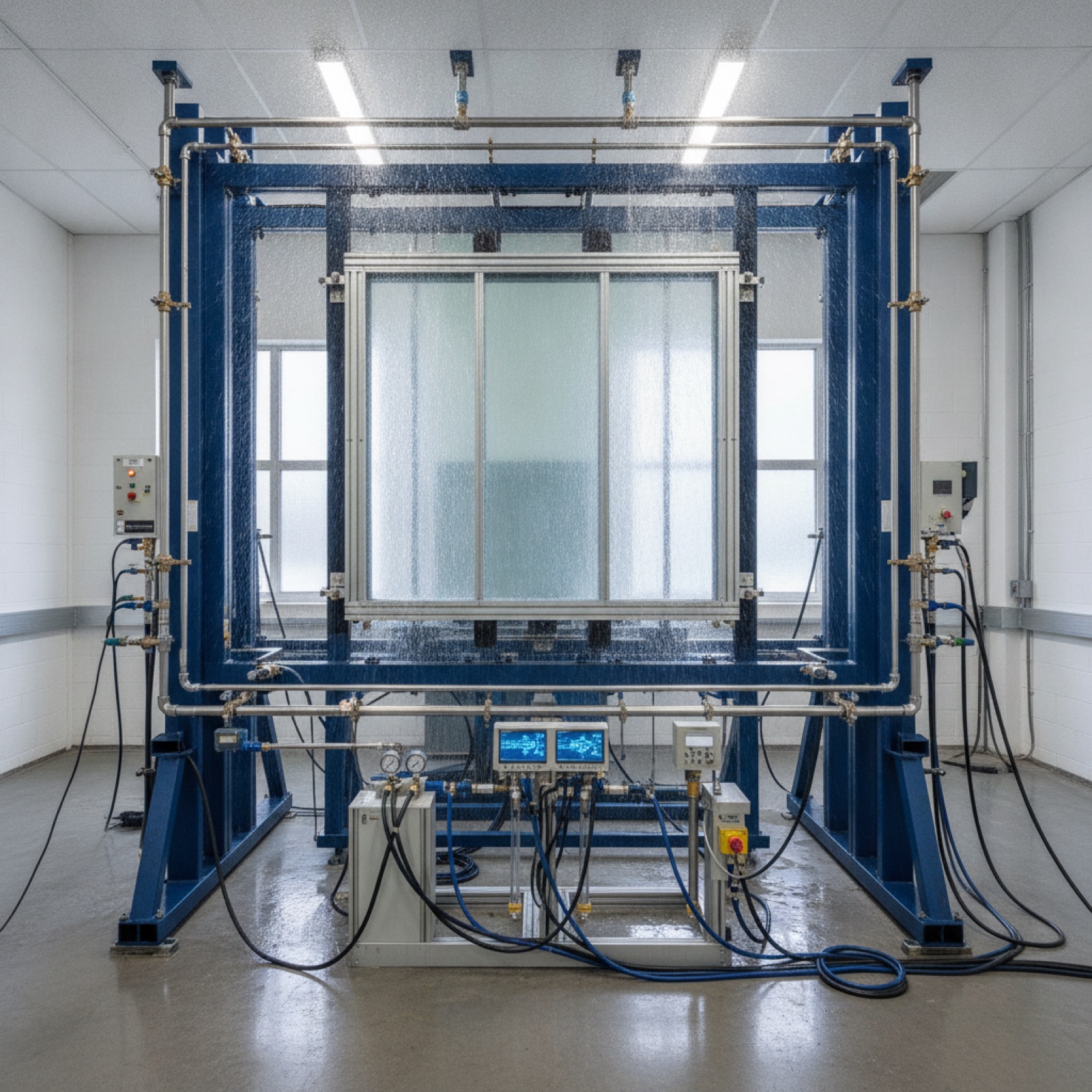
Facade trends mean nothing if the assembly leaks. Mock-up and lab testing remain the contractual backbone: ASTM E283 for air infiltration, ASTM E331 for static water penetration, AAMA 501.1 for dynamic water under simulated wind, and ASTM E330 for structural load. Spec these explicitly and require submittals, a written submittal package with tested system data is the single best hedge against field disputes.
Aesthetic and material direction
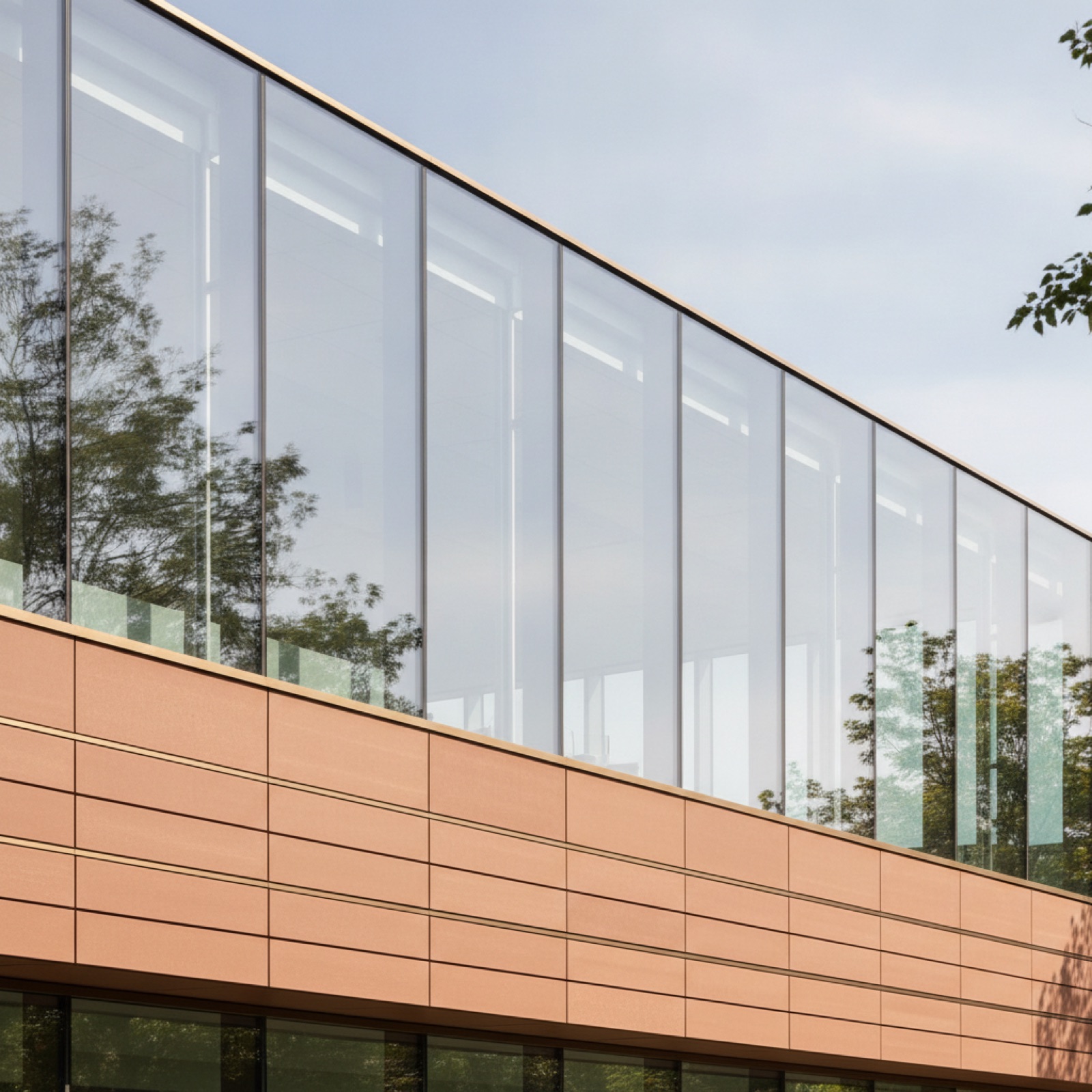
Visually, 2026 favors larger lites with slimmer sightlines, low-iron glass for true color-neutral vision areas, and spandrel zones that hide floor slabs and MEP without breaking the glass plane. Warmer and matte anodized/painted aluminum finishes are displacing high-gloss, and dynamic glass is moving from novelty to a credible glare-and-load solution on west and south exposures.
What this means for your next bid
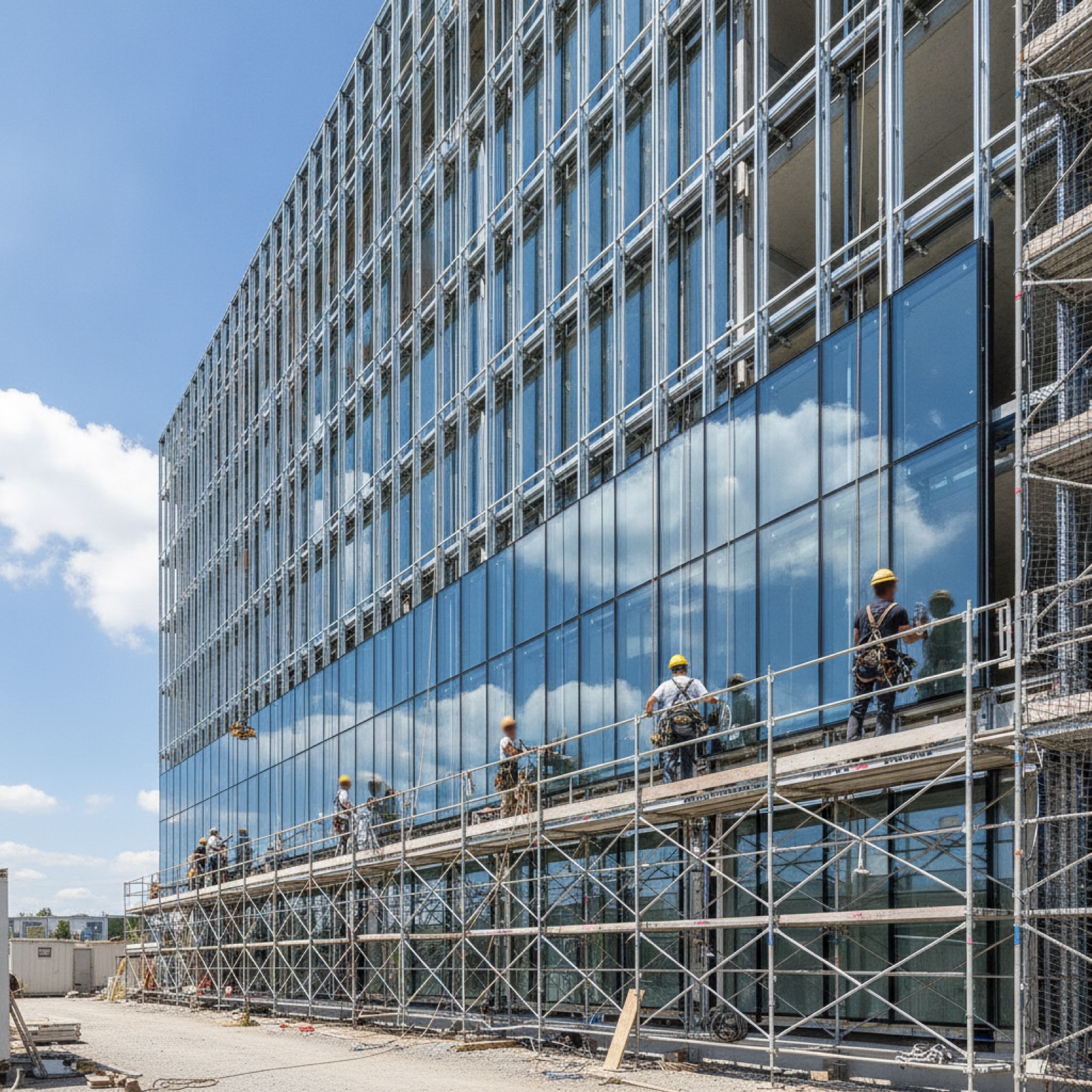
Lock your facade performance targets and test standards before DD, decide stick vs. unitized early because it drives lead time, and don't let frame thermal performance be an afterthought. Ramos Industries (CA C-17 #1034872, AZ ROC #343677) has glazed commercial envelopes across SoCal and the Phoenix metro since 1987 with W-2 installers and written, test-backed submittals.
Request a Glazing Bid to pressure-test your 2026 facade scope before it goes out to subs.
Frequently Asked Questions
Related Services
Curtain Wall
Aluminum curtain wall systems for commercial new construction, including stick built and unitized assemblies with insulated low e glazing.
Energy Efficient Glass
Low-E, insulated, and solar control glazing solutions that reduce energy costs and meet Title 24 requirements.
Related Articles
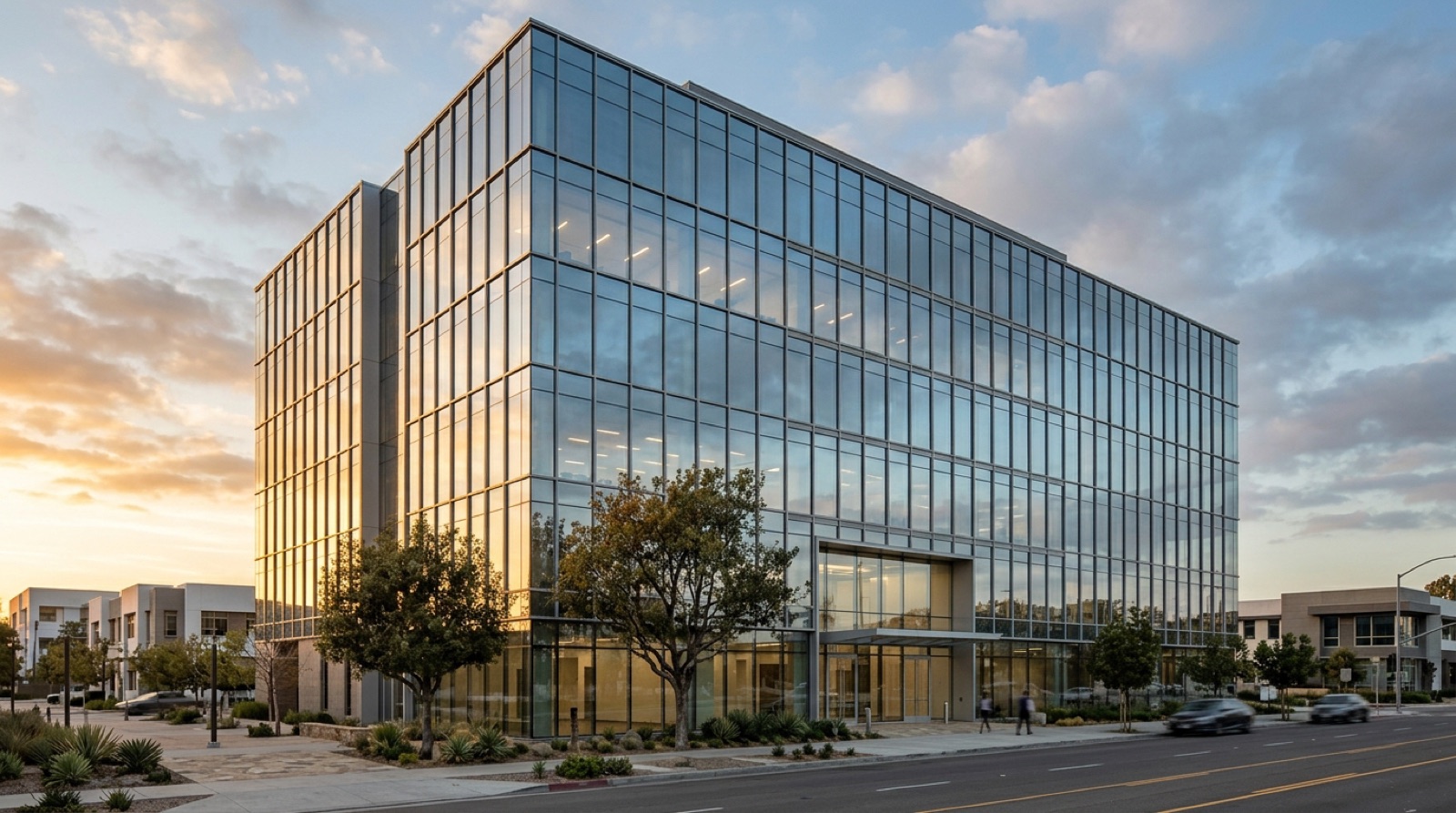
Navigating Title 24: 2025 Commercial Window and Glazing Requirements
What the 2025 California Energy Code (Title 24, Part 6) requires of commercial windows, storefront and curtain wall: U-factor, SHGC, VT, NFRC labels and replacement rules.
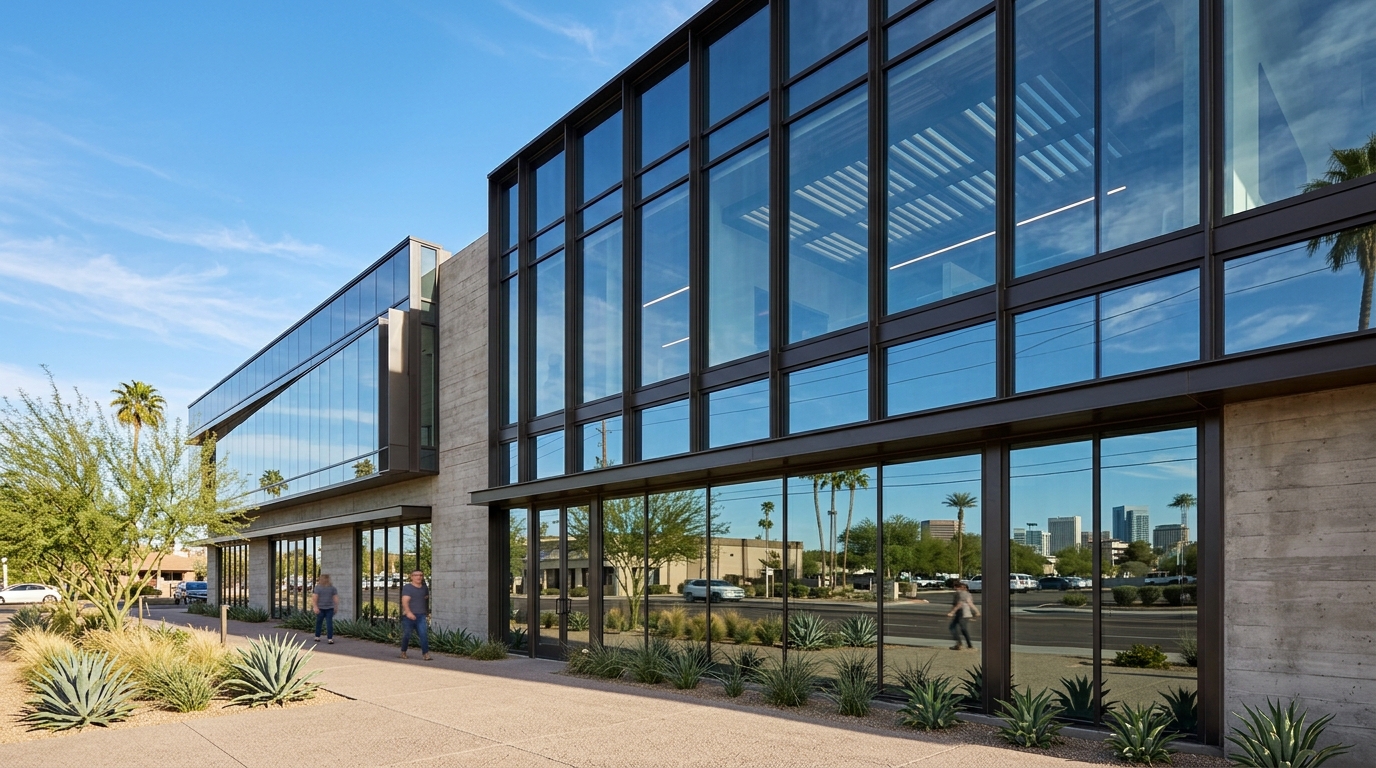
Value-Engineering Glass Without Failing Title 24
Cut glazing cost without failing Title 24: where to value-engineer glass and framing safely, and which SHGC/U-factor moves quietly break compliance.
Commercial Glazing Lead Times in SoCal by System (2026)
2026 commercial glazing lead times in Southern California by system, storefront, curtain wall, unitized, IGUs, and specialty glass, plus what drives delays.