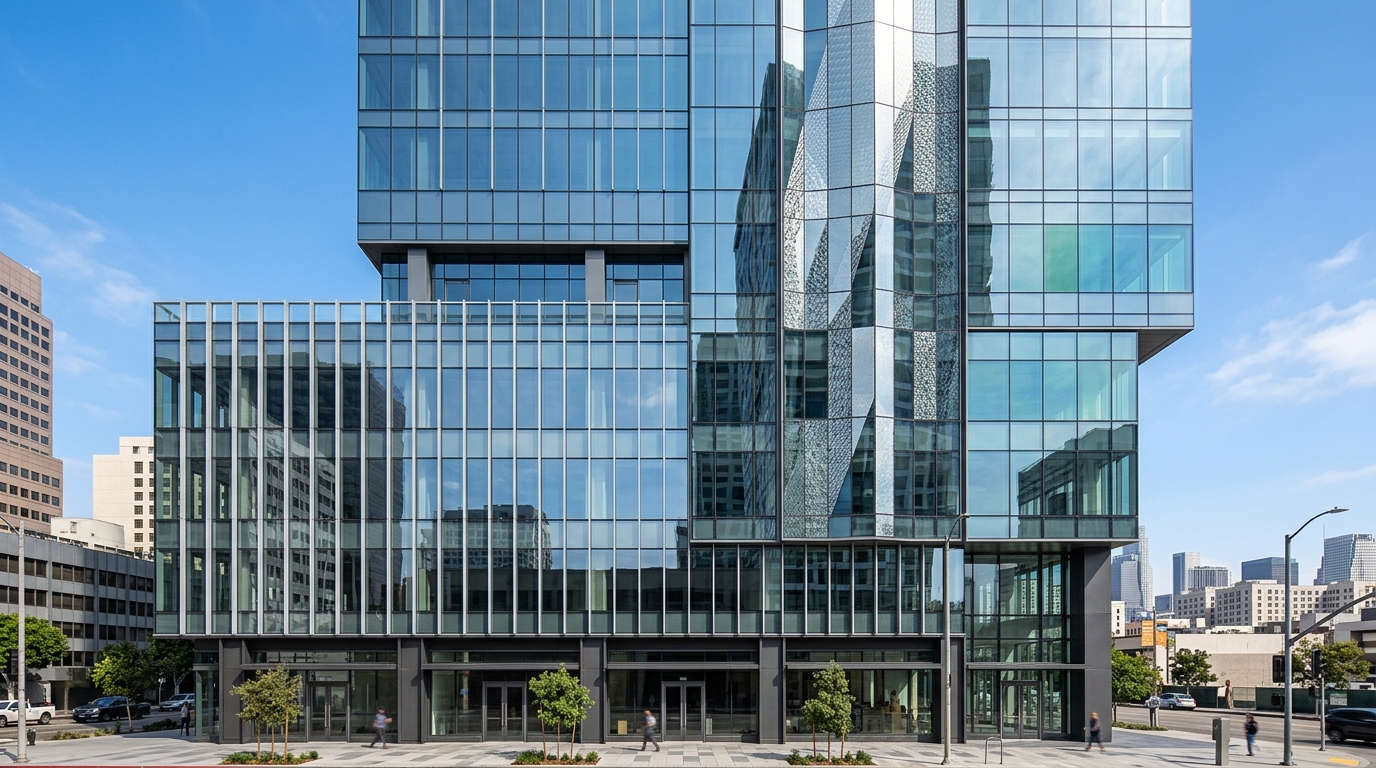
Commercial Glazing Lead Times in SoCal by System (2026)
In Southern California for 2026, plan on roughly 4–8 weeks for standard aluminum storefront, 10–18 weeks for stick-built curtain wall, and 16–28+ weeks for unitized or high-performance custom facades, measured from approved submittals, not from contract signing. The single biggest lever you control is how fast shop drawings get approved; the longest pole is usually specialty glass (custom Low-E coatings, oversized lites, laminated or fire-rated units). Here's how the systems stack up.
Lead Times by System (SoCal, 2026)
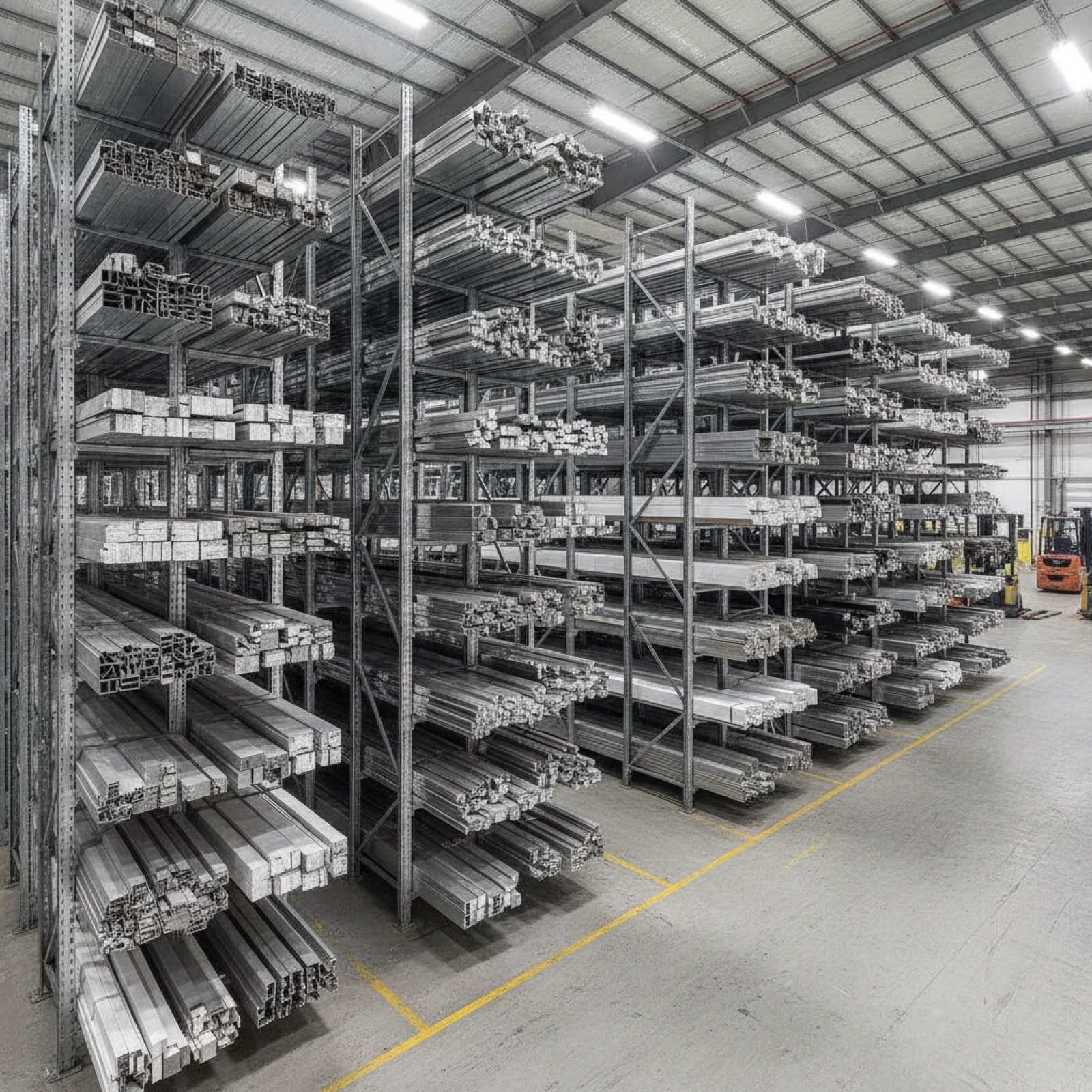
These are typical planning ranges from approved submittals to material ready-to-install. Actual times move with mill schedules, coater capacity, and finish backlog.
| System | Typical lead time | Primary driver |
|---|---|---|
| Standard aluminum storefront | 4–8 weeks | Extrusion stock + finish |
| Stick-built curtain wall | 10–18 weeks | Extrusion + glass + fabrication |
| Unitized curtain wall | 16–28+ weeks | Shop assembly + QA + glass |
| Window wall | 8–14 weeks | Similar to storefront/CW hybrid |
| Standard IGUs (Low-E) | 4–8 weeks | Coater + IG line capacity |
| Custom / oversized / triple-silver IGUs | 8–16+ weeks | Specialty coating, jumbo lites |
| Laminated / acoustic / fire-rated glass | 8–14 weeks | Specialty interlayer / certification |
| Anodized vs. painted (AAMA 2605/Kynar) finish | +2–6 weeks | Finishing line backlog |
What Drives the Variance

Three things move these numbers more than anything else:
- Submittal approval speed. The clock for fabrication doesn't start until shop drawings and calcs are approved. A two-week architect turnaround versus a six-week one is a month of schedule, full stop.
- Finish. A standard mill or clear-anodized finish ships faster than a custom AAMA 2605 Kynar color, which routes through a painting line that runs its own backlog.
- Glass specialty. Stock Low-E on standard sizes moves on the IG line quickly. Oversized lites, triple-silver coatings, laminated security/acoustic units, or fire-rated glazing add weeks because they hit specialized coaters and certifications.
Sequencing to Protect the Schedule
| Milestone | Schedule tip |
|---|---|
| Award → submittal | Issue a complete RFQ so submittals aren't reworked |
| Submittal → approval | Set a hard architect review window in the contract |
| Approval → glass release | Release long-lead specialty glass first |
| Fabrication → delivery | Stage delivery to the install sequence, not all at once |
| Field install | Confirm field dimensions early to avoid re-fab |
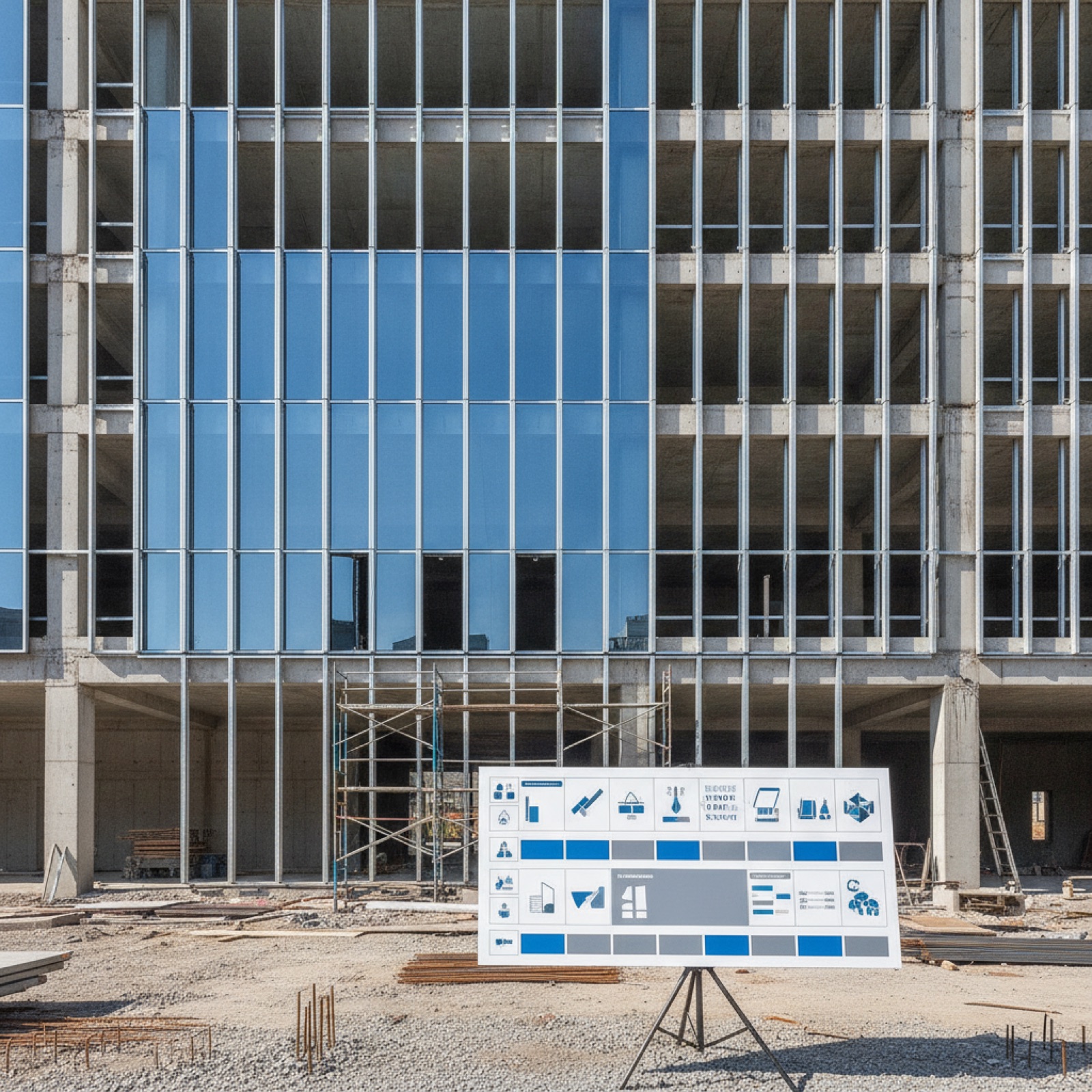
The pattern across every fast project is the same: get the submittal package complete and approved early, release the long-lead glass and finish items the moment calcs clear, and field-verify dimensions before fabrication so nothing comes back for rework.
A Note on "From Approved Submittals"
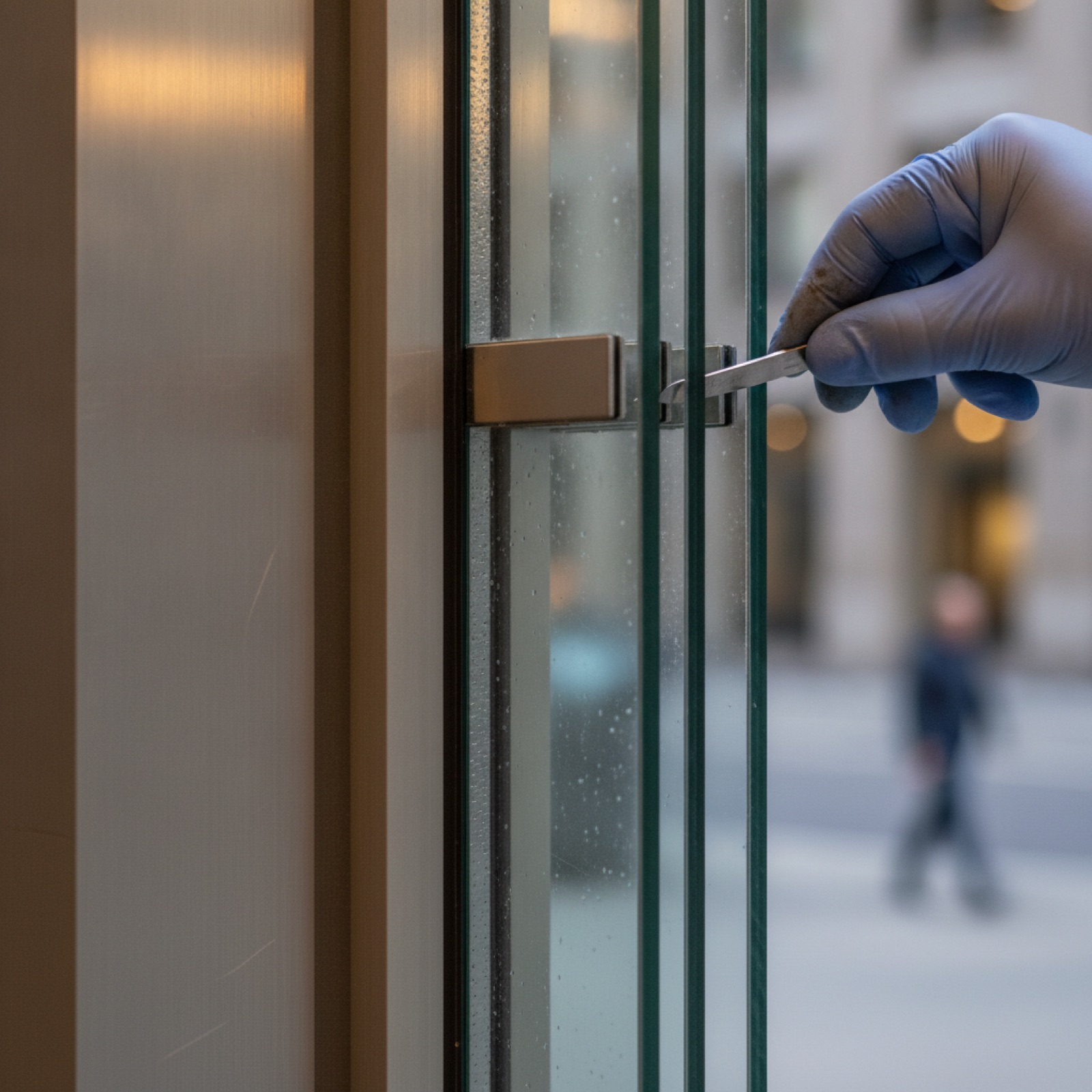
Every range above starts at approved submittals. If you're building a master schedule, add your own submittal-development and architect-review time on the front, frequently 3–8 weeks combined, plus install duration on the back. A storefront that's "6 weeks" of fabrication can be a 12-week calendar item once you count approvals and install.
Request a Glazing Bid
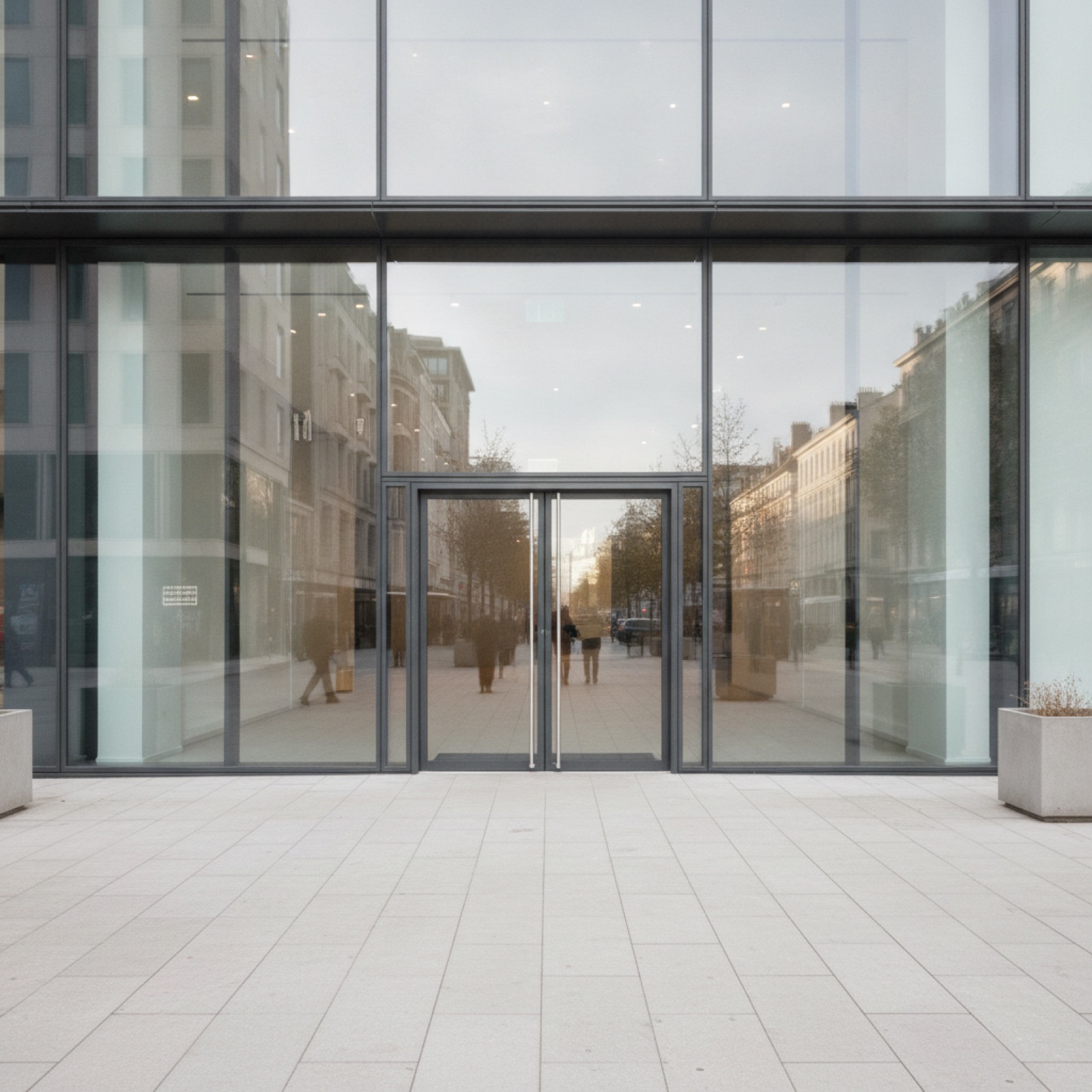
Ramos Industries has fabricated and installed commercial glazing across SoCal and the Phoenix metro since 1987 (CA C-17 #1034872, AZ ROC #343677), with W-2 crews and written submittals that move through approval cleanly. If you're pricing a 2026 build and need a real lead-time read for your system and glass, Request a Glazing Bid or grab the free Commercial Glazing Spec Kit to lock your submittal package before the clock starts.
Frequently Asked Questions
When does the glazing lead-time clock actually start?
At approved submittals, not at contract award. Fabrication can't begin until shop drawings, structural calcs, and glass/finish selections are approved. That's why the same job can feel "fast" or "slow" depending entirely on how quickly the architect turns around the submittal package. Always add submittal development and review time on the front of any fabrication range.
Which glazing items have the longest lead times in 2026?
Unitized curtain wall and specialty glass. Unitized systems are shop-assembled and QA'd before shipping, which adds time. On the glass side, oversized or jumbo lites, custom triple-silver Low-E coatings, laminated security/acoustic units, and fire-rated glazing all route through specialized coaters or certifications, pushing 8–16+ weeks. Release those items first.
How can I compress a glazing schedule without cutting performance?
Three moves: issue a complete RFQ so submittals don't get reworked, set a hard architect review window so approvals don't drift, and release long-lead glass and finish items the moment calcs clear rather than waiting for the full package. Field-verifying dimensions before fabrication also prevents re-fab, which is the most expensive schedule hit of all.
Related Articles
Value-Engineering Glass Without Failing Title 24
Cut glazing cost without failing Title 24: where to value-engineer glass and framing safely, and which SHGC/U-factor moves quietly break compliance.
Seismic and Deflection Requirements for SoCal Curtain Wall
Seismic drift and deflection requirements for Southern California curtain wall, AAMA 501.4, L/175 limits, glass bite, and detailing for inter-story movement.
2025-2026 California Energy Code Changes Affecting Glazing
How the 2025-2026 California Title 24 energy code affects commercial glazing, U-factor, SHGC, VT, NFRC ratings, and what spec-writers should plan for.
We use cookies and similar technologies to improve your experience on our website.