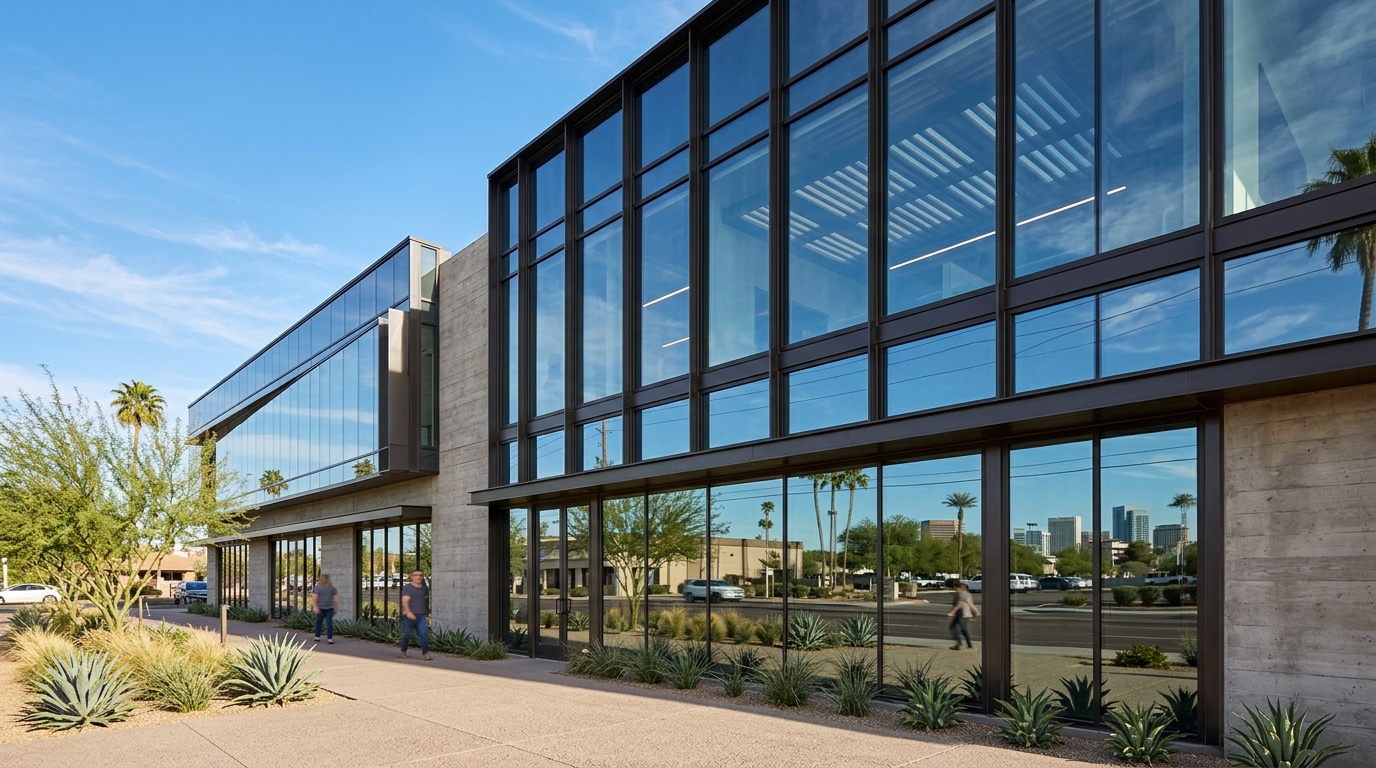
Value-Engineering Glass Without Failing Title 24
You can value-engineer commercial glazing without failing Title 24, but only if you protect the two numbers the energy code actually checks: U-factor and SHGC. Safe moves include rationalizing the Low-E coating tier, optimizing IGU spacer and gas fill, reducing custom sizes, and simplifying the finish. Dangerous moves, swapping to a cheaper coating that raises SHGC, or dropping the thermal break, quietly break compliance and surface at plan check or, worse, after fabrication. Here's how to cut cost on the right side of the line.
The Two Numbers Title 24 Cares About

California Title 24, Part 6 evaluates fenestration on U-factor (heat conduction) and SHGC (solar heat gain), as NFRC-rated assembly values. Any VE move that pushes either past your energy report's allowance, whether you're on the prescriptive path or trading off via performance modeling, fails. The trap is that glass cost and SHGC often move together: the cheaper coating is frequently the one with the higher SHGC.
Safe Value-Engineering Moves

These reduce cost while holding or improving the compliance numbers:
| VE move | Cost effect | Title 24 effect |
|---|---|---|
| Right-size Low-E tier (don't over-spec triple-silver where double passes) | Lower | Neutral, if SHGC still meets target |
| Standard IGU sizes vs. custom/jumbo lites | Lower | Neutral |
| Argon fill + warm-edge spacer | Low add, big U-factor gain | Improves U-factor |
| Simplify finish (AAMA 2604 vs. 2605 where durability allows) | Lower | None (finish isn't an energy metric) |
| Reduce mullion/sightline complexity | Lower | Neutral if frame U-factor holds |
| Consolidate glass make-ups across the building | Lower (volume) | Neutral |
Moves That Quietly Fail Title 24
These look like savings on a bid line but break the energy model:
| Tempting cut | Why it fails |
|---|---|
| Cheaper Low-E with higher SHGC | Exceeds SHGC allowance |
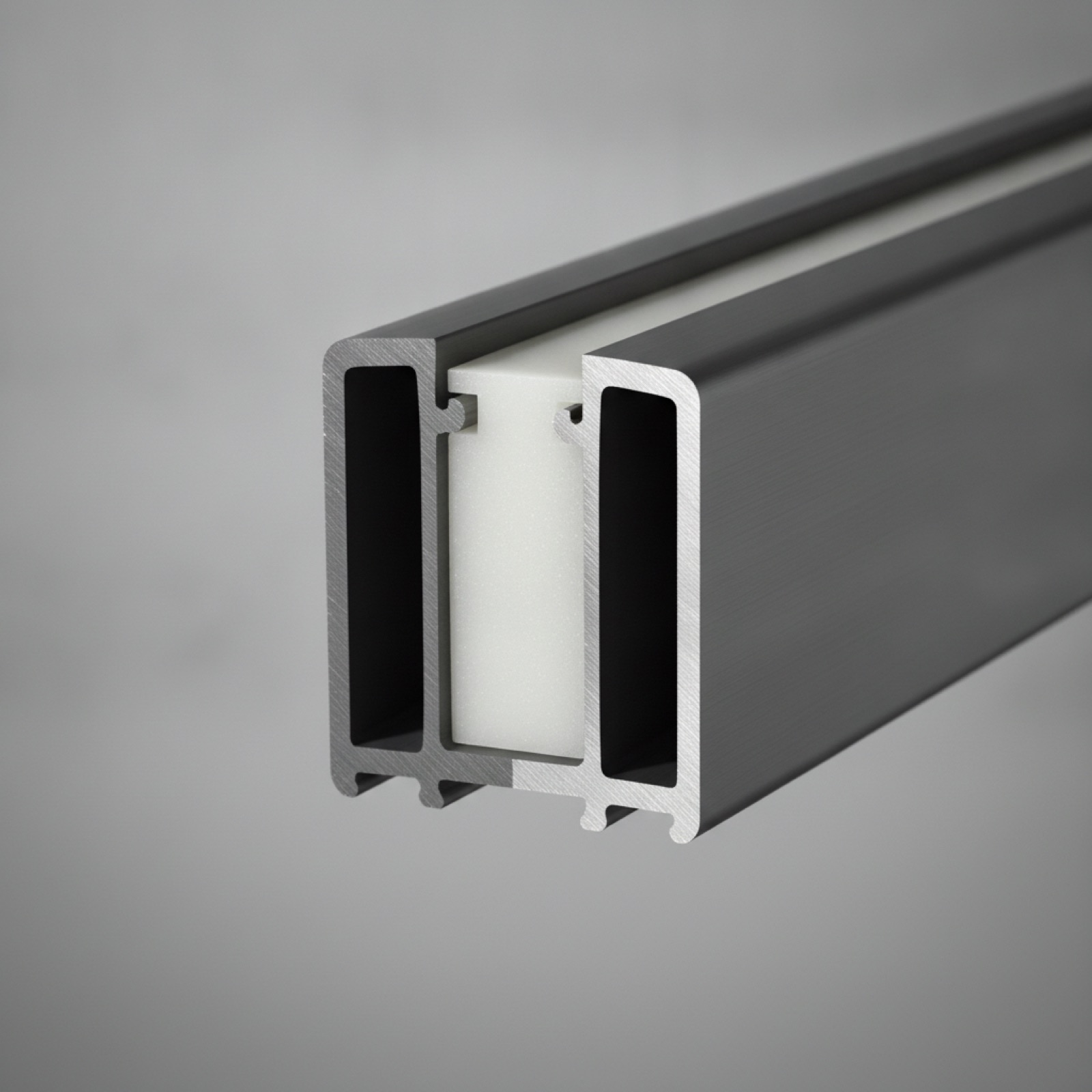
| Drop the thermal break | U-factor blows past target |
| Single-pane or air-fill where IGU/argon was modeled | U-factor fails |
| Swap to center-of-glass numbers to "pass" | Code uses NFRC assembly values |
| Increase vision area without re-running the model | Raises overall fenestration load |
| Remove spandrel insulation backing | Opaque-area U-factor fails |
How to VE Glass the Right Way

The disciplined process is short:
- Start from the energy report, not the bid. Know your U-factor and SHGC allowances before you cut anything.
- Re-run the Title 24 model on every glass change. A coating swap or a vision-area change must be re-modeled, don't eyeball it.
- Verify with NFRC assembly values, not center-of-glass marketing numbers. The code grades the whole assembly.
- Hold safety and structure. Don't VE away tempered/laminated lites required by IBC Chapter 24 / CPSC 16 CFR 1201, and don't undercut the framing's ASTM E330 structural rating to save aluminum.
- Document the substitution so plan check, the architect, and the owner all see the compliant path.
The pattern is consistent: the cheapest unit cost is not the cheapest project cost if it triggers a plan-check rejection, a re-fabrication, or a field retrofit after the IGUs are already glazed.
Where the Real Savings Are
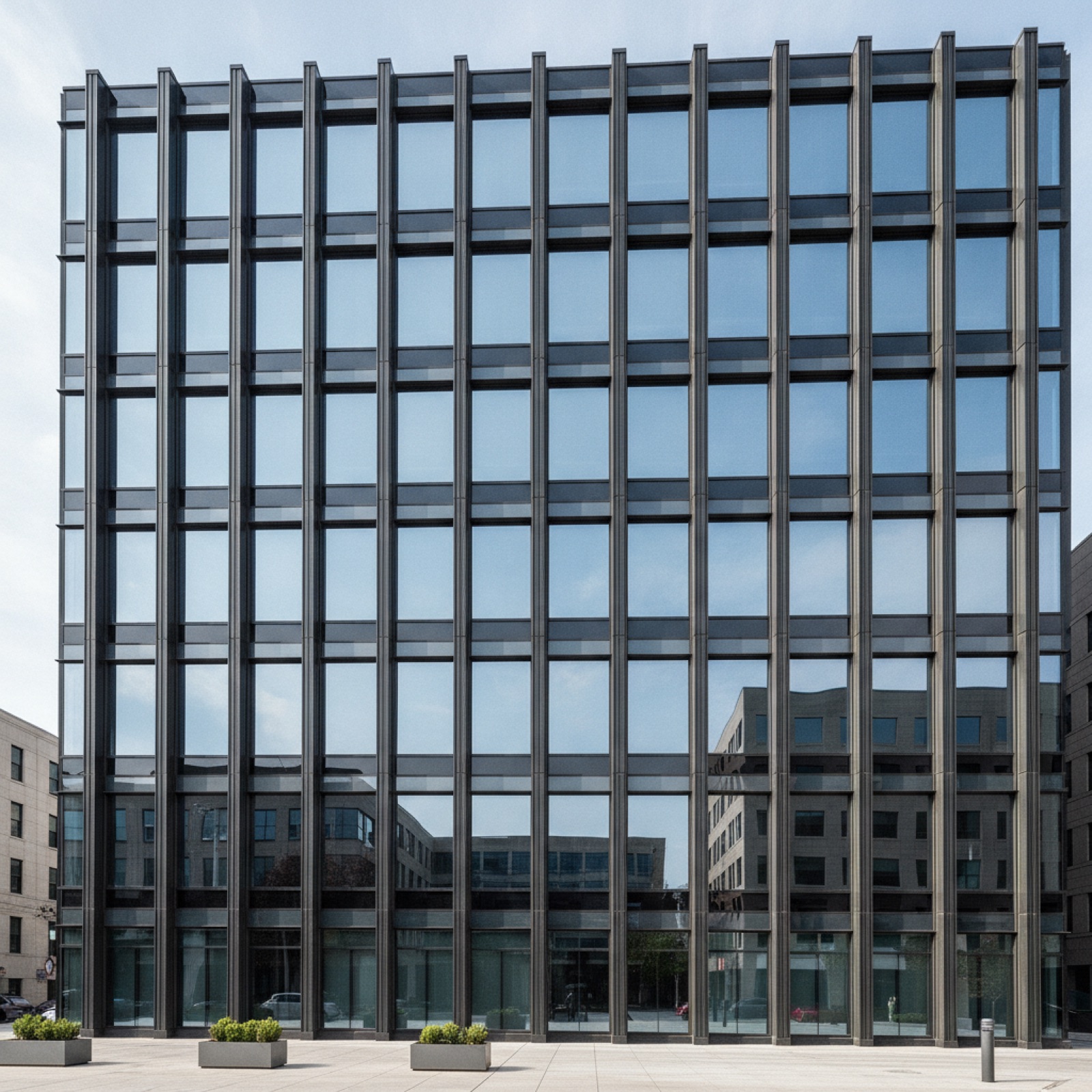
Most compliant savings come from standardization and right-sizing, not from downgrading performance, consolidating glass types, eliminating custom sizes, optimizing spacer and gas fill, and simplifying finishes where durability requirements allow. Those moves trim cost while the U-factor and SHGC hold, which is exactly the line Title 24 is checking.
Request a Glazing Bid

Ramos Industries value-engineers glazing against the energy code, not around it, re-running the numbers so your VE survives plan check. Licensed CA C-17 #1034872 and AZ ROC #343677, serving SoCal and the Phoenix metro since 1987 with W-2 installers and written submittals. Request a Glazing Bid for a Title 24-compliant VE option set, or grab the free Commercial Glazing Spec Kit to pressure-test your glass spec before it goes to plan check.
Frequently Asked Questions
Can I switch to a cheaper Low-E coating to save money and still pass Title 24?
Sometimes, but only if the cheaper coating still meets your SHGC and U-factor allowances. The risk is that lower-cost coatings often carry a higher SHGC, which can push you past the energy report's limit. Any coating swap has to be re-run through the Title 24 model using NFRC assembly values before you commit. Never assume a coating change is performance-neutral.
Is dropping the thermal break a safe way to cut storefront cost?
No. The thermal break is what lets an aluminum assembly hit Title 24 U-factor targets in conditioned spaces. Remove it and the U-factor typically blows past the allowance, plus you invite condensation problems. It looks like a savings on the bid line but fails the energy model and usually surfaces at plan check or in the field.
What's the safest place to value-engineer glazing without touching compliance?
Standardization and right-sizing. Consolidating glass make-ups across the building, eliminating custom and jumbo lite sizes, optimizing the IGU with argon fill and a warm-edge spacer, and simplifying the finish (AAMA 2604 instead of 2605 where durability allows) all reduce cost while U-factor and SHGC hold or improve. Finish isn't an energy metric at all, so it's pure savings.
Related Articles

Commercial Glazing Lead Times in SoCal by System (2026)
2026 commercial glazing lead times in Southern California by system, storefront, curtain wall, unitized, IGUs, and specialty glass, plus what drives delays.
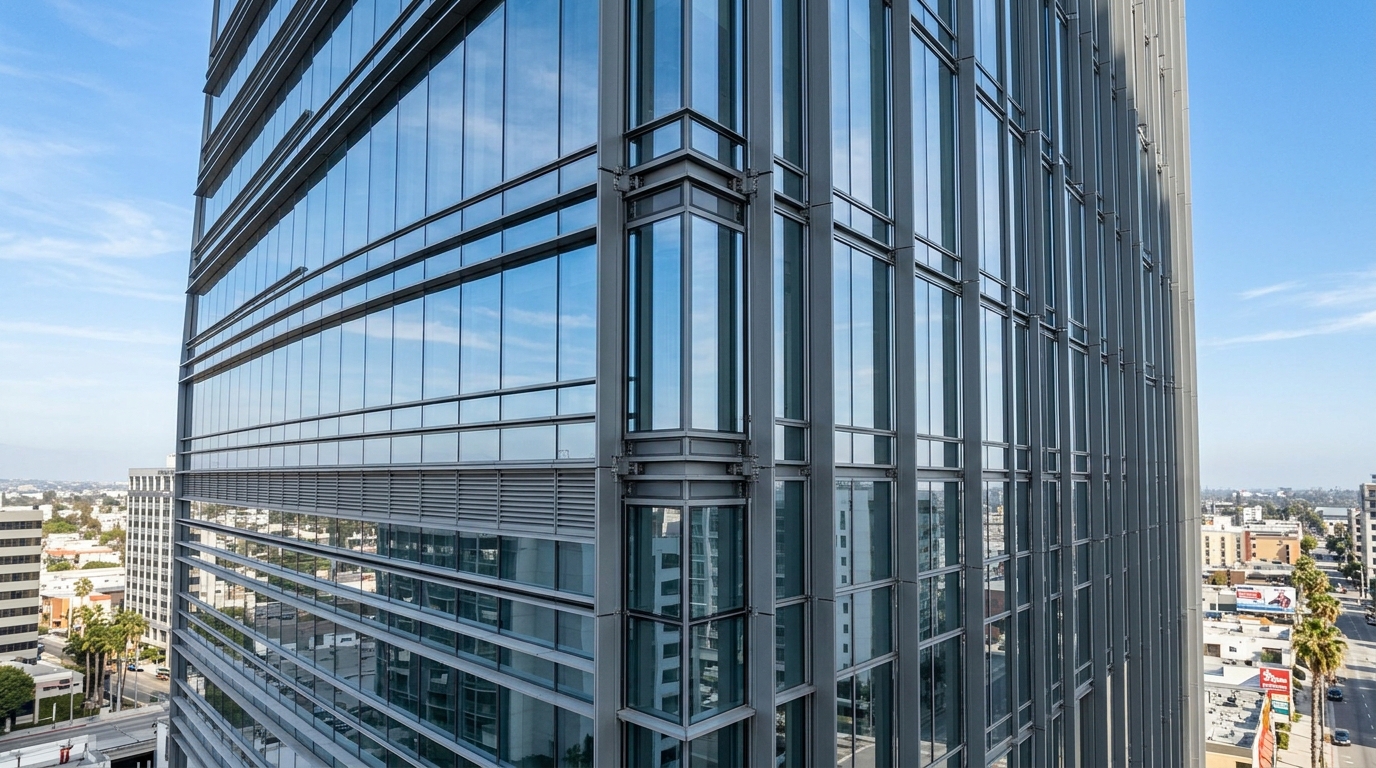
Seismic and Deflection Requirements for SoCal Curtain Wall
Seismic drift and deflection requirements for Southern California curtain wall, AAMA 501.4, L/175 limits, glass bite, and detailing for inter-story movement.

2025-2026 California Energy Code Changes Affecting Glazing
How the 2025-2026 California Title 24 energy code affects commercial glazing, U-factor, SHGC, VT, NFRC ratings, and what spec-writers should plan for.
We use cookies and similar technologies to improve your experience on our website.