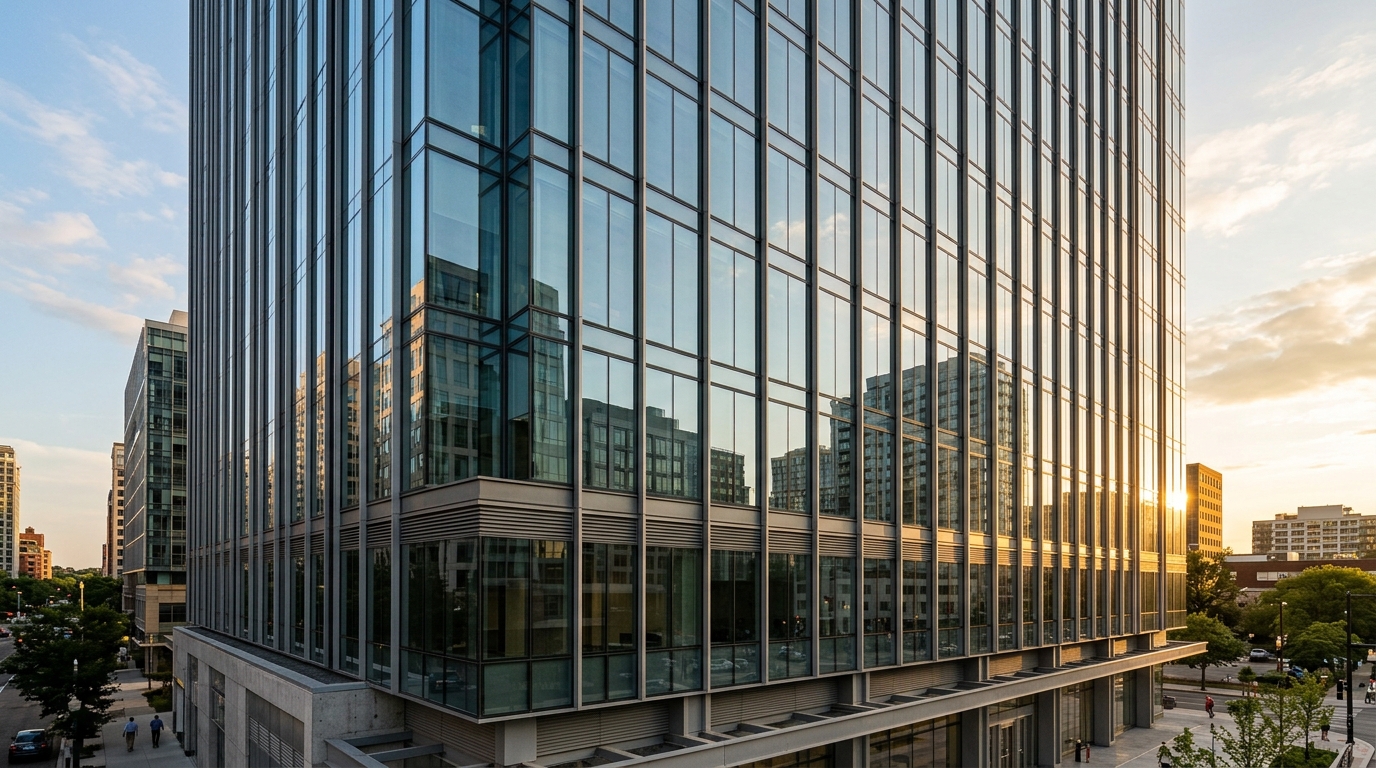
How to Prequalify a Glazing Subcontractor
To prequalify a commercial glazing subcontractor, verify five things before they ever bid: an active contractor's license (in California, the C-17 glazing classification), adequate insurance and bonding, documented experience with your specific system, a real track record of passing AAMA/ASTM field tests, and a written warranty backed by the company that installs the work. A glazing failure shows up as water intrusion and callbacks long after closeout, prequalification is how you keep it off your project. Here's the checklist.
1. License and Legal Standing

Confirm the license is active and matches the work. In California, glazing falls under the C-17 classification; in Arizona, verify the relevant ROC license. Check the status directly with the state board, not just a number on a letterhead. Confirm the legal entity on the license matches the entity that will sign the subcontract and stand behind the warranty.
2. Insurance, Bonding, and Financial Capacity
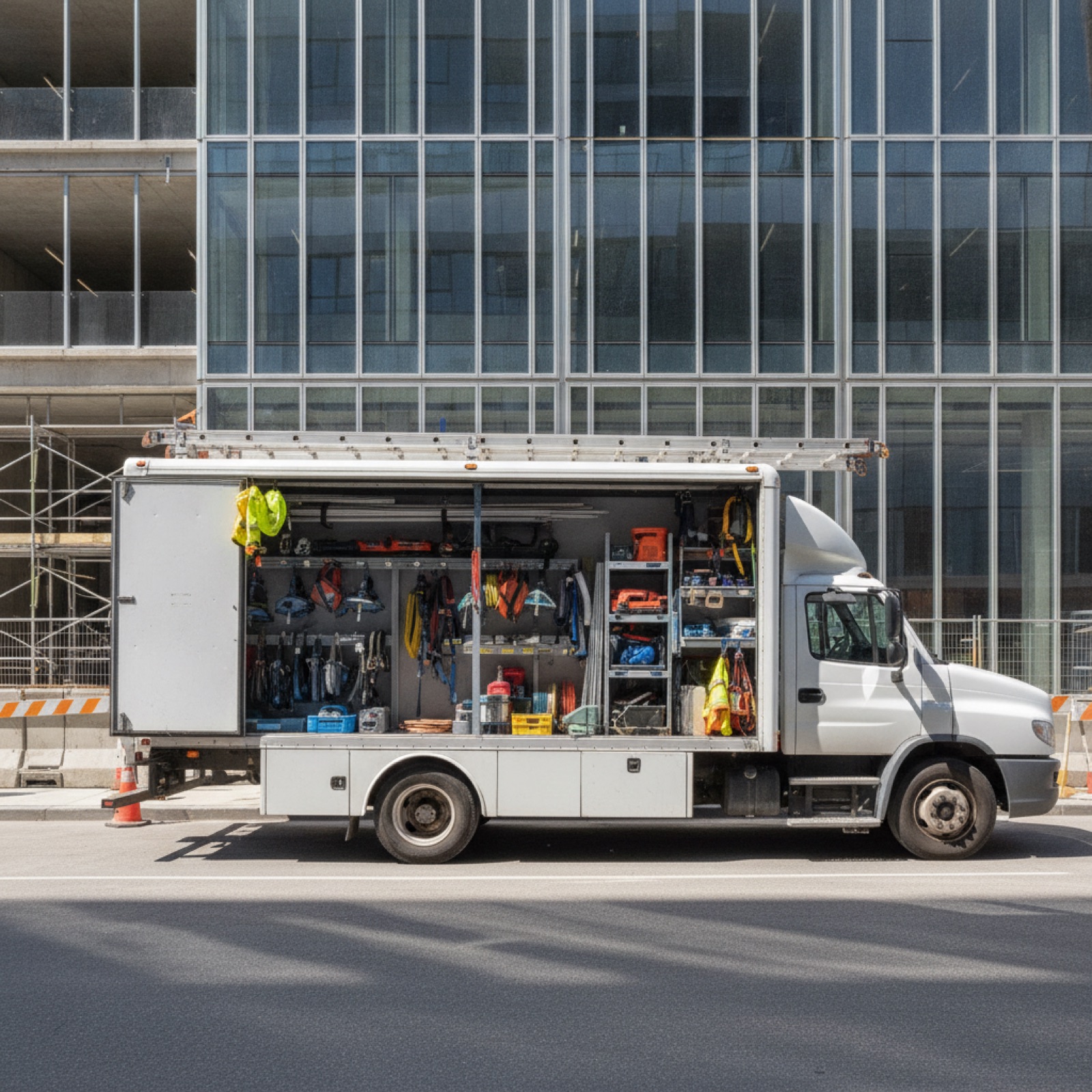
Request a current certificate of insurance, general liability, auto, and workers' comp, with limits that fit the project, and confirm they can be bonded to your contract value. Ask whether crews are W-2 employees or 1099/labor-broker; W-2 installers mean the sub carries its own comp and controls its own quality, which matters when a leak needs warranty rework two years out.
3. System Experience That Matches Your Scope
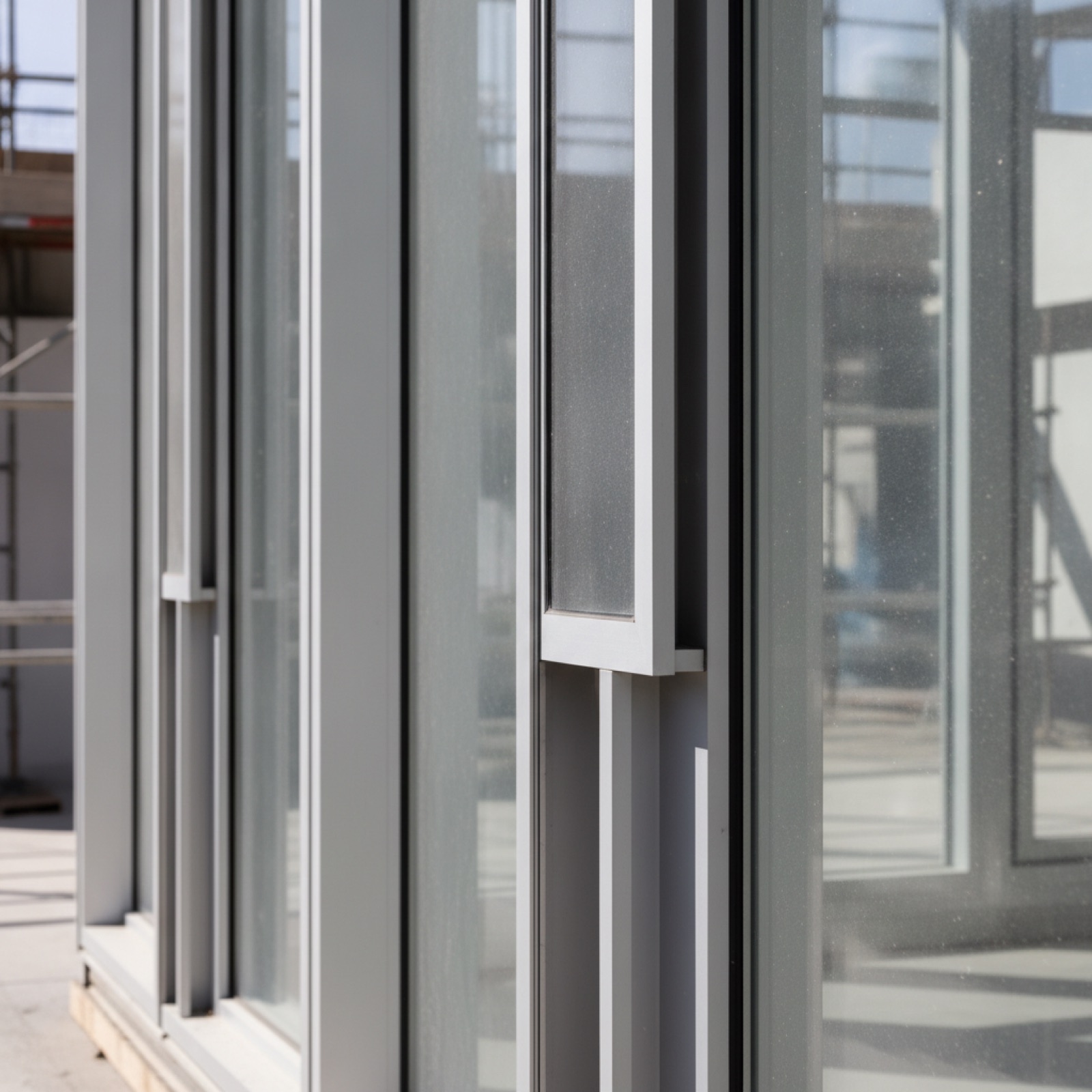
A sub who's strong on storefront is not automatically qualified for unitized curtain wall. Match experience to your actual system.
| Your system | Ask for proof of… |
|---|---|
| Aluminum storefront | Completed storefront of similar scale |
| Stick-built curtain wall | Multi-story stick CW experience |
| Unitized curtain wall | Unitized assembly + crane sequencing |
| Structural silicone glazing | SSG QA and bite-verification process |
| Specialty (fire-rated, blast, acoustic) | Certified product experience |
4. Test and QA Track Record
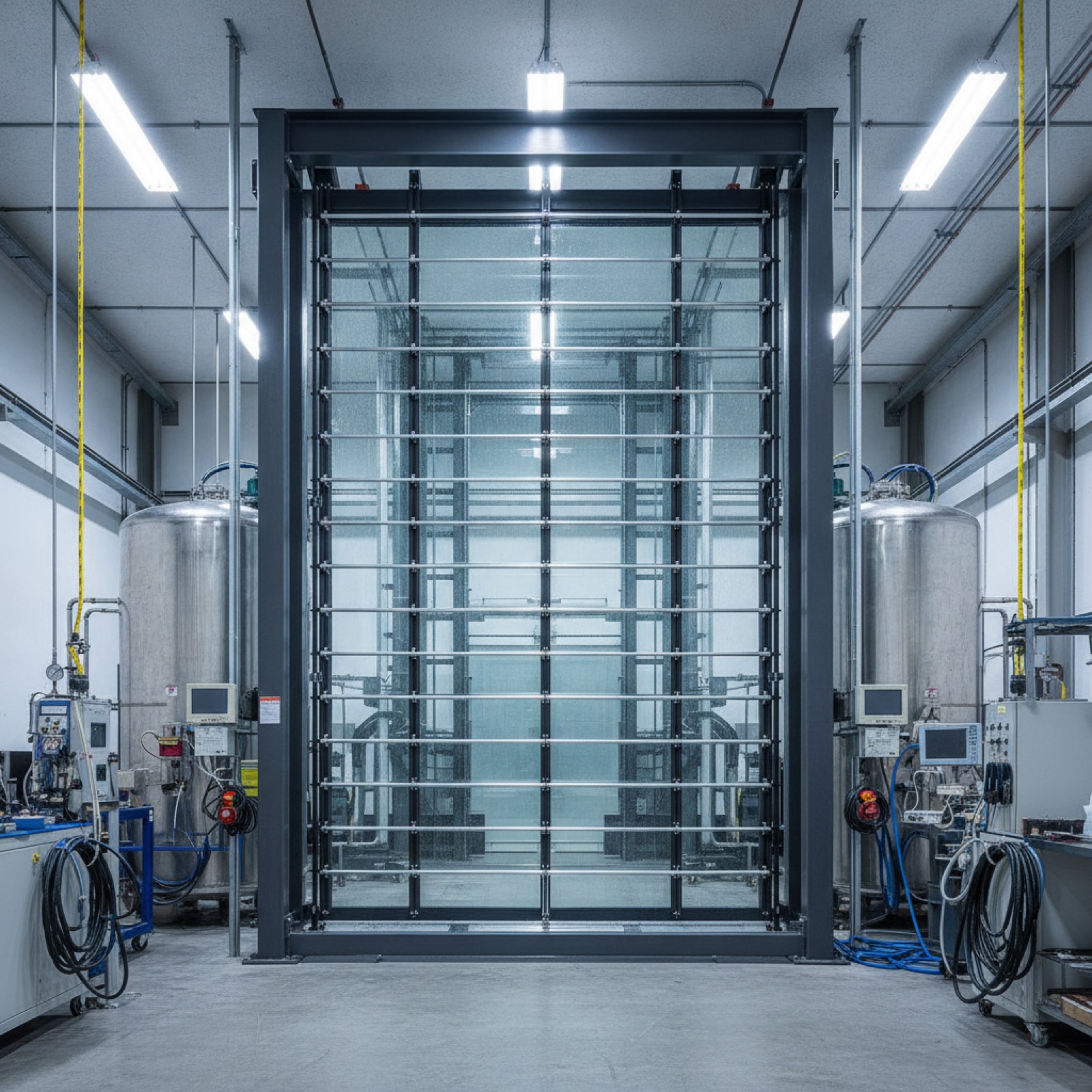
The defensible question is: do their installed walls pass field testing? Ask for evidence.
| Prequal item | Standard / reference |
|---|---|
| Lab-rated systems used | AAMA/WDMA/CSA 101/I.S.2/A440 |
| Field water test history | AAMA 502 (storefront), 503 (curtain wall) |
| Air/water/structural mock-up | AAMA 501 series |
| Air/water/structural lab data | ASTM E283 / E331 / E330 |
| Safety glazing compliance | IBC Ch. 24 / CPSC 16 CFR 1201 |
A qualified sub can talk fluently about what their walls are tested to and produce passing field-test reports from prior jobs.
5. References, Safety, and Warranty
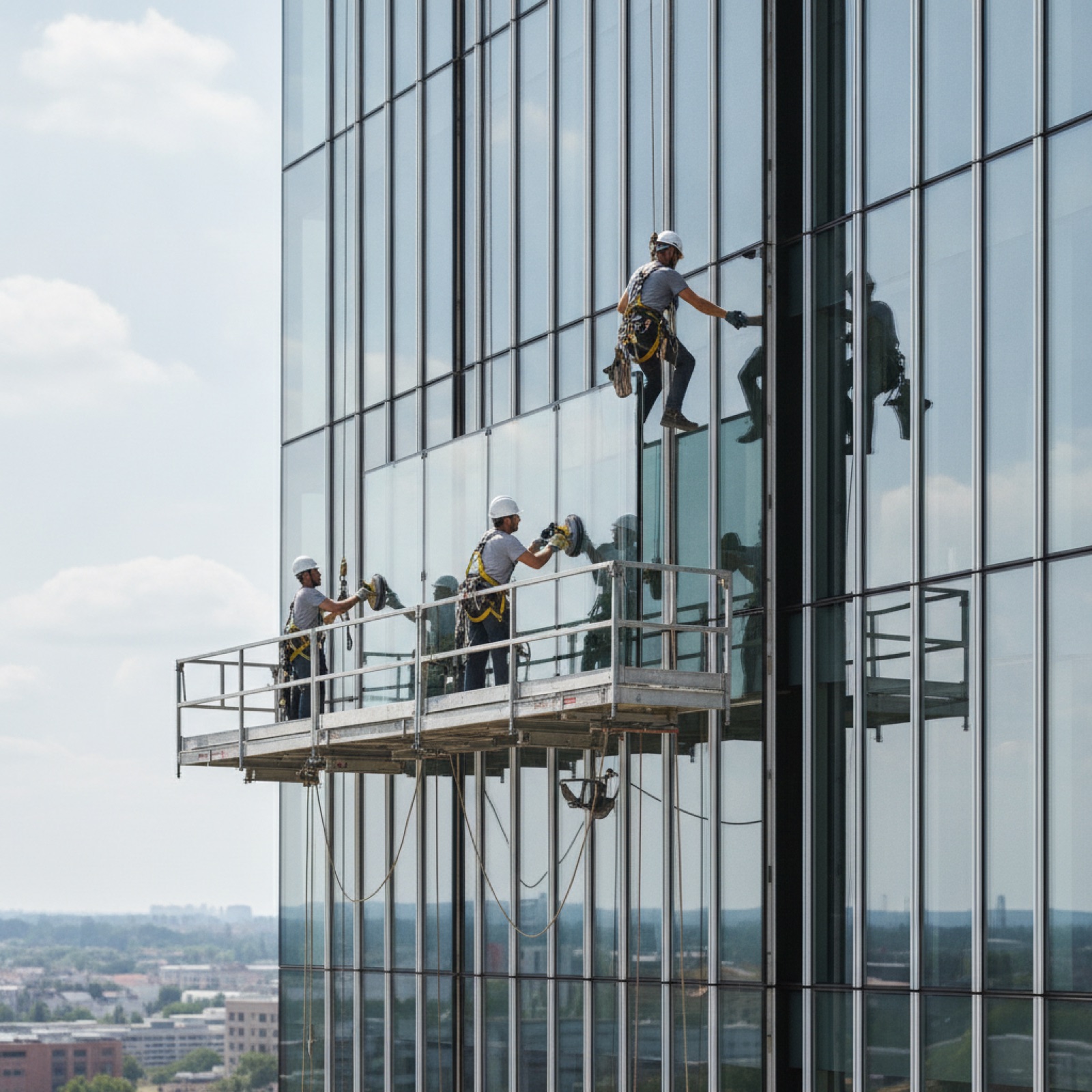
Call references on completed jobs of similar system and scale, ask specifically about water-intrusion callbacks and how the sub handled them. Review the sub's EMR (safety rating) and OSHA history. Finally, get the warranty in writing: what's covered (labor and material), for how long, and who honors it. A warranty is only as good as the entity standing behind it.
Prequalification Scorecard
| Category | Pass criteria |
|---|---|
| License | Active C-17 (CA) / ROC (AZ), entity matches |
| Insurance/bond | Current COI, bondable to contract value |
| Crews | W-2 installers preferred |
| System fit | Documented like-system experience |
| Test record | Passing AAMA 502/503 field reports |
| Safety | Acceptable EMR, clean OSHA history |
| Warranty | Written, labor + material, company-backed |
Request a Glazing Bid
Ramos Industries checks every box on this scorecard: licensed CA C-17 #1034872 and AZ ROC #343677, 35+ years in business since 1987, W-2 installers, written submittals, and warranty-backed work across SoCal and the Phoenix metro. If you're building a prequalified bid list for a commercial project, Request a Glazing Bid, or download the free Commercial Glazing Spec Kit to standardize how you vet every glazing sub.
Frequently Asked Questions
What license does a commercial glazing subcontractor need in California?
The C-17 glazing classification from the California Contractors State License Board. Verify it's active and that the licensed entity matches the company signing your subcontract and warranty. In Arizona, confirm the appropriate ROC license. Don't take a number at face value, check status directly with the state board before adding the sub to a bid list.
Why does it matter whether the glazing crew is W-2 or 1099?
W-2 installers are employees of the glazing company, which means the sub carries its own workers' comp, controls its own training and quality, and is accountable for warranty rework. Crews staffed through labor brokers or 1099 can blur who's responsible when a leak surfaces two years later. For a system that hides defects until it rains, that accountability is worth weighting in prequalification.
How do I judge a glazing sub's quality without seeing the finished wall?
Ask for field-test history. A qualified sub can produce passing AAMA 502 (storefront) or AAMA 503 (curtain wall) water-test reports from prior projects and speak fluently about what their assemblies are rated to under ASTM E283/E331/E330. Combine that with reference calls focused specifically on water-intrusion callbacks, and you get a real read on installed quality.