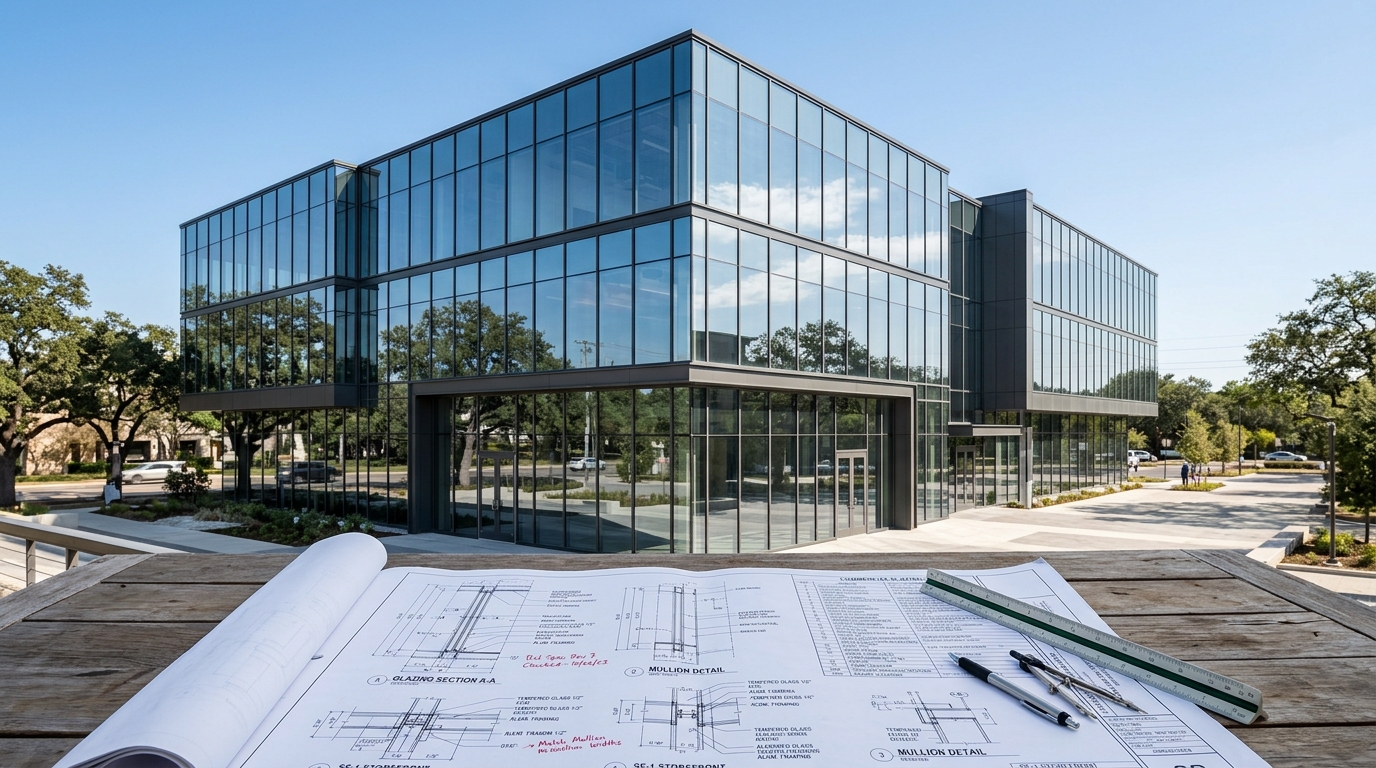
What to Include in a Commercial Glazing RFQ (So Bids Are Comparable)
A commercial glazing RFQ returns comparable bids only when it pins down the system type, performance targets, scope boundaries, and submittal requirements, so every glazier prices the same wall. If your RFQ just says "glaze the exterior," you'll get three numbers that can't be compared because each bidder assumed a different framing depth, glass make-up, and test scope. Here's exactly what to include so the bids line up.
1. Define the System and Scope
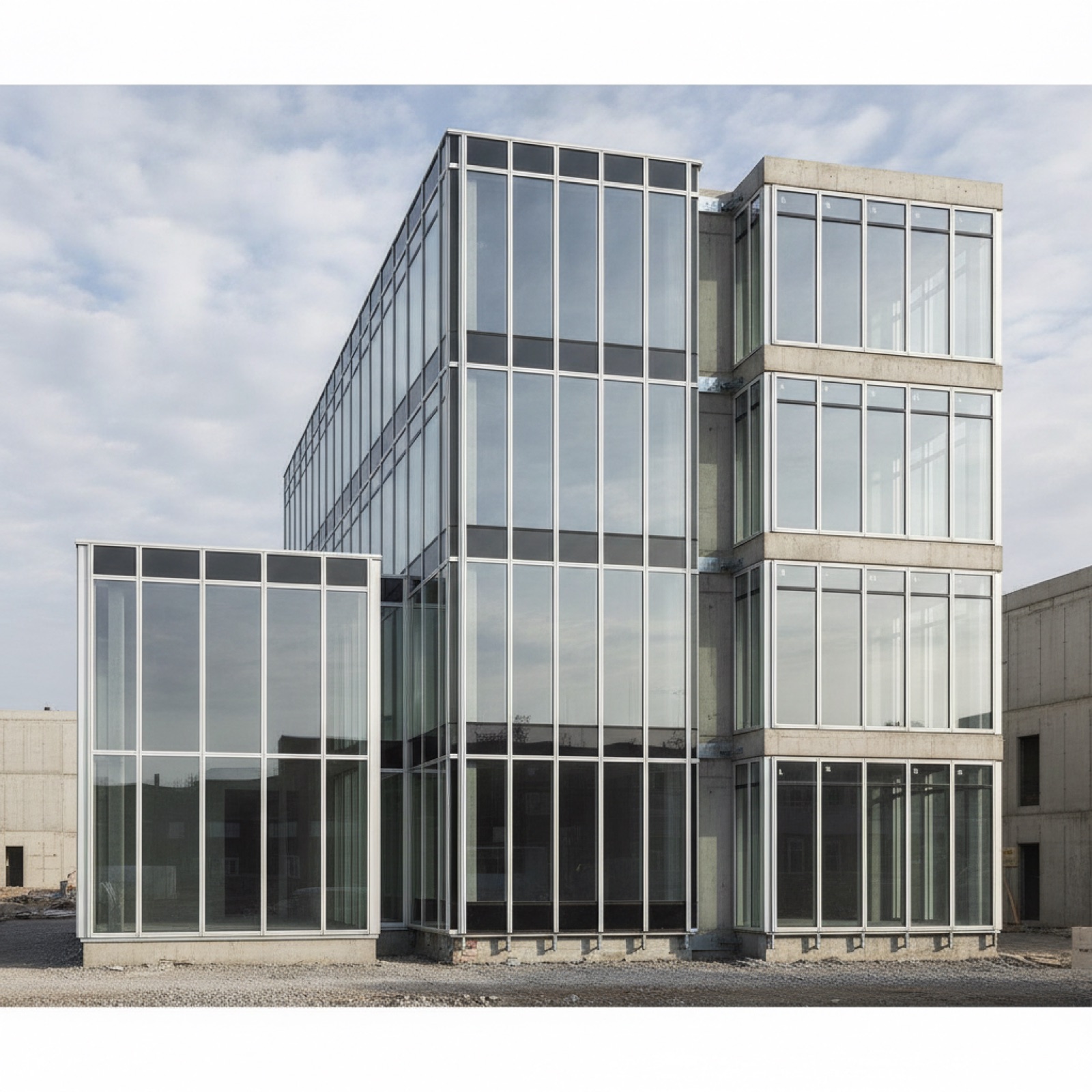
State the system type explicitly, storefront, curtain wall (stick-built or unitized), or window wall, because the engineering and price diverge completely. Then draw the scope lines: who furnishes glass, who sets it, who handles perimeter sealant and backer rod, who flashes the openings, and where the glazing scope hands off to the GC or the waterproofer. Reference the specific elevations and detail sheets. Ambiguous scope is the number-one reason glazing bids aren't comparable.
2. Specify Performance Targets
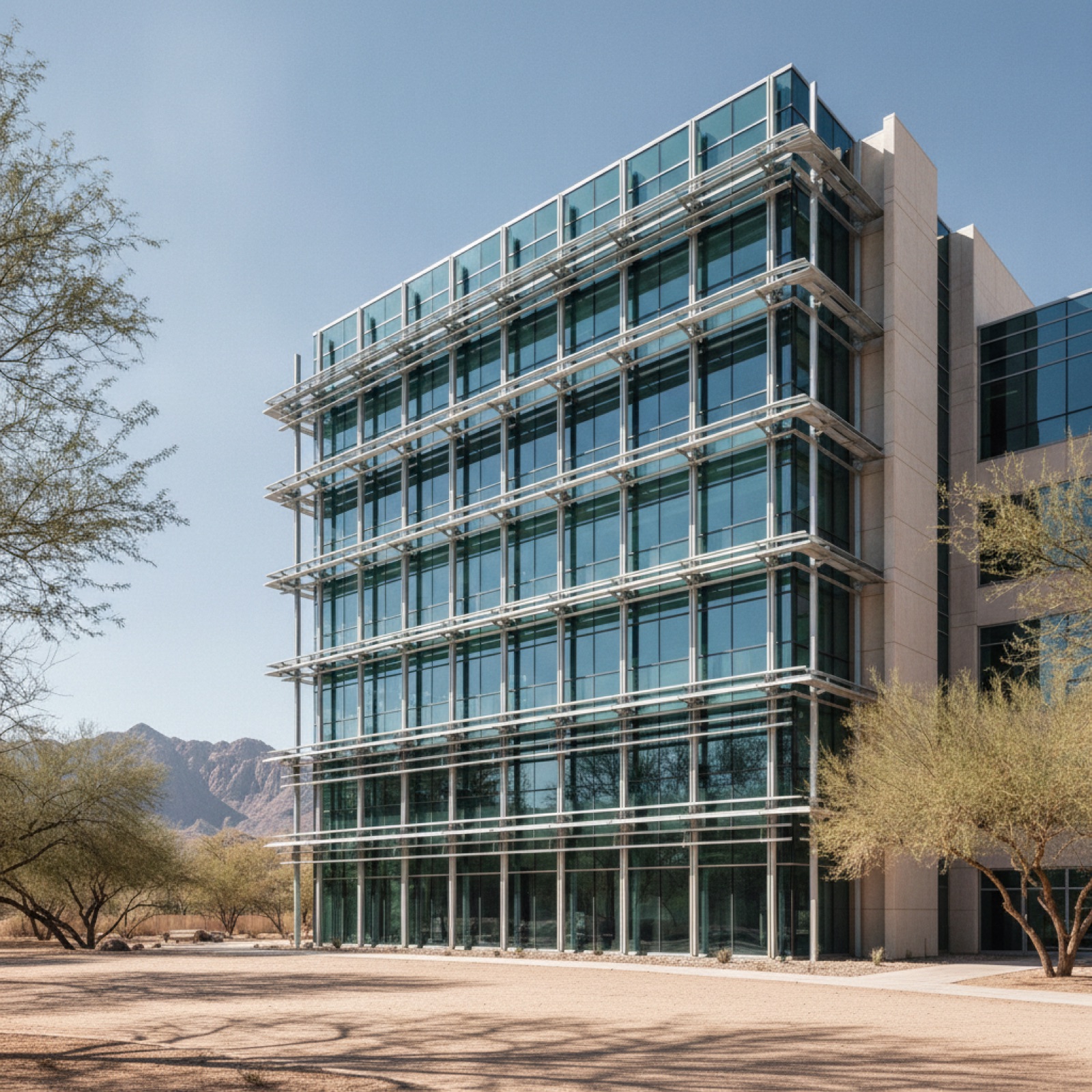
Give every bidder the same performance bar. Pull U-factor and SHGC from your Title 24 energy report and state them as requirements, not suggestions.
| Requirement | State as | Standard |
|---|---|---|
| Thermal (U-factor) | A maximum value, e.g. ≤ 0.42 | Title 24 / NFRC 100 |
| Solar (SHGC) | A maximum value, e.g. ≤ 0.25 | Title 24 / NFRC 200 |
| Air infiltration | ≤ 0.06 cfm/ft² @ test pressure | ASTM E283 |
| Water penetration | No leakage @ design pressure | ASTM E331 |
| Structural | Deflection limit (e.g. L/175) | ASTM E330 |
| Acoustic (if needed) | STC / OITC rating | ASTM E90 / E1425 |
3. Call Out Required Tests and Mock-Ups
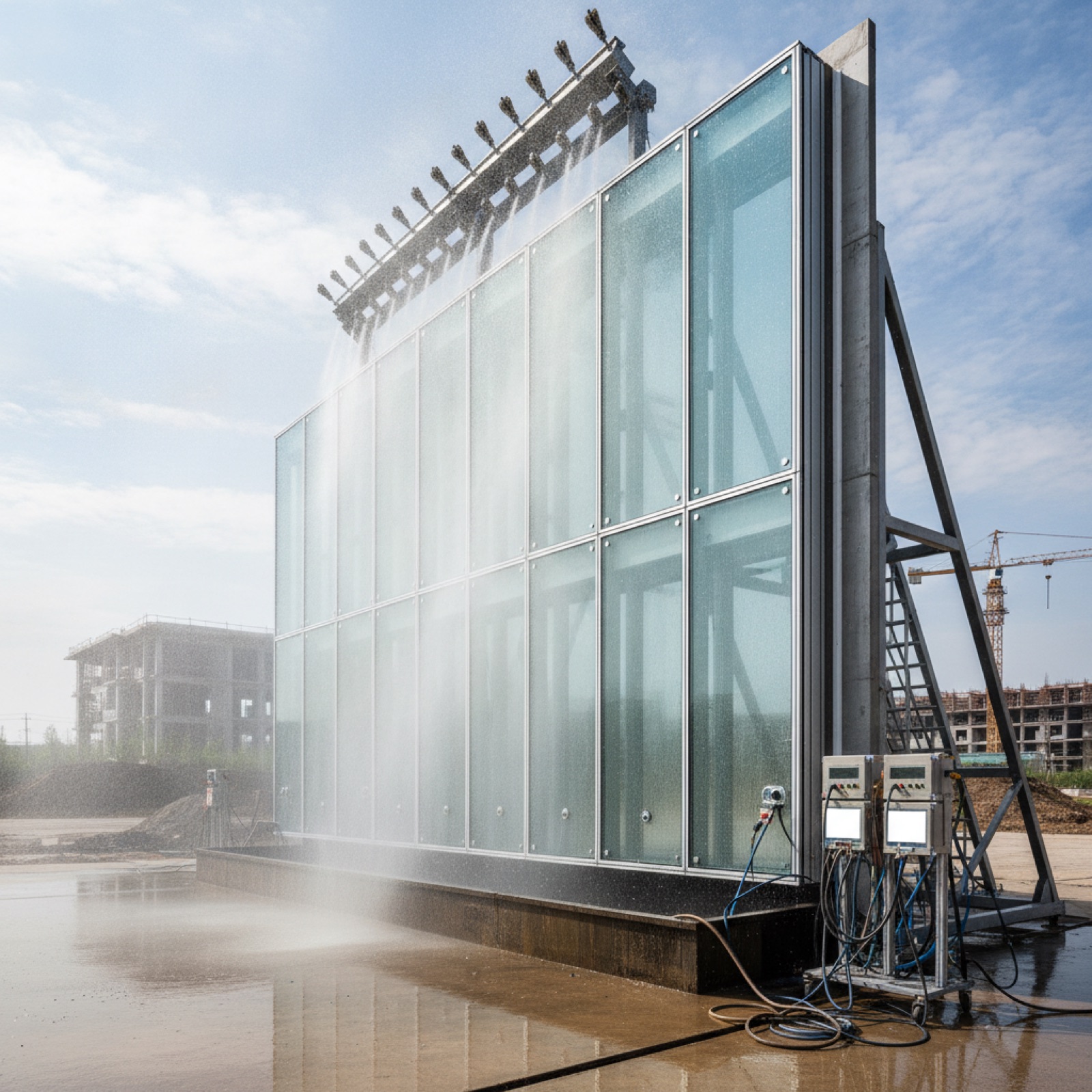
Name the tests up front so bidders price the same QA scope, otherwise the low bid is often the one that quietly omitted field water testing.
| Item | Standard | When required |
|---|---|---|
| Lab system test | AAMA/WDMA/CSA 101/I.S.2/A440 | All systems |
| Field air/water | AAMA 502 (storefront), 503 (curtain wall) | Most commercial |
| Dynamic water spray | AAMA 501.1 | Larger curtain wall |
| Air/water/structural mock-up | AAMA 501 series | High-rise / high-perf |
| Safety glazing | IBC Ch. 24 / CPSC 16 CFR 1201 | Doors, sidelites, hazardous lites |
If you want a visual or performance mock-up, say so and state who pays for it.
4. Specify Glass, Finish, and Materials
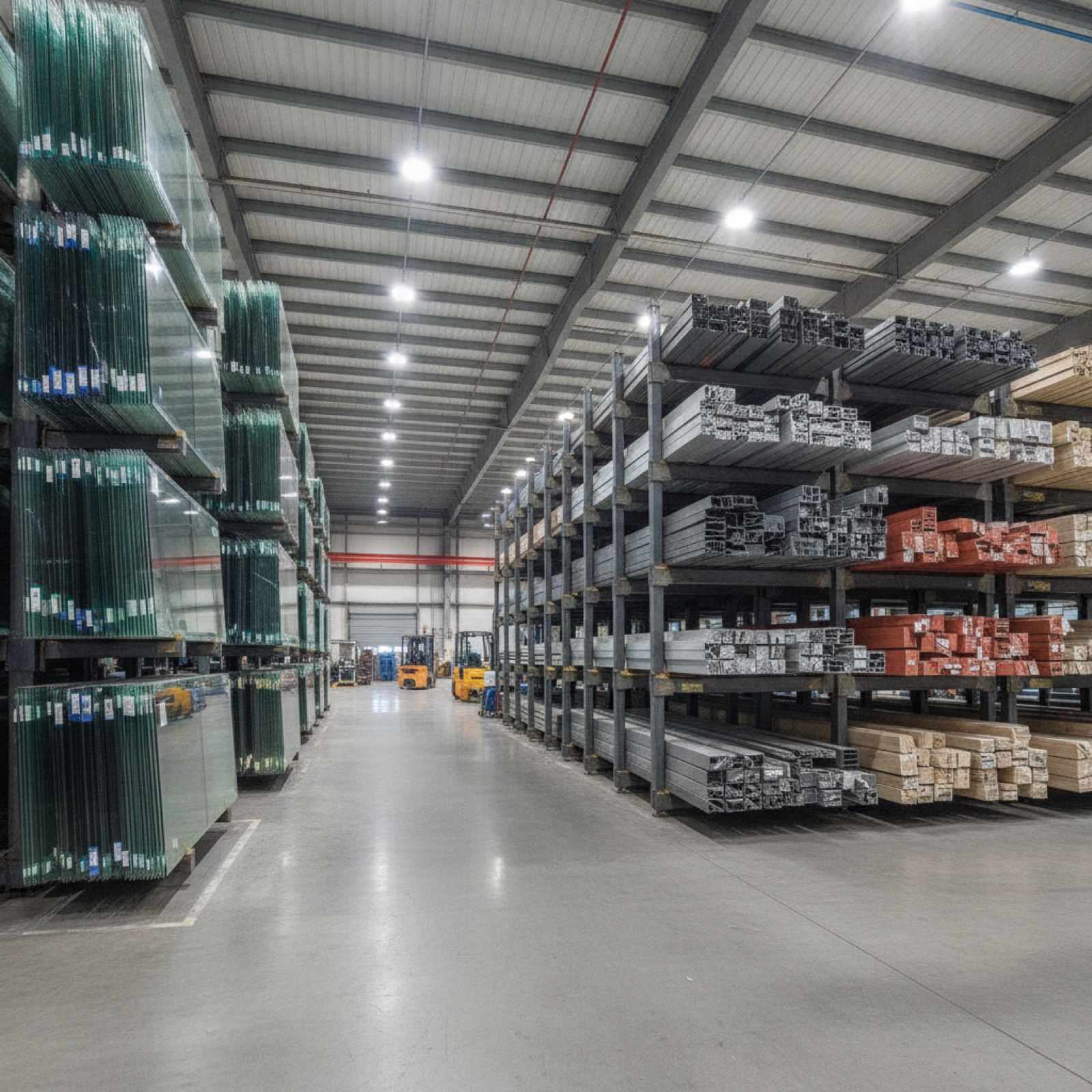
Spell out the IGU make-up (e.g., 1" unit, Low-E on surface #2), the spandrel treatment, the framing depth and thermal break, and the finish, AAMA 2604 or the higher-durability AAMA 2605 (Kynar), with the color. If you leave glass open, you'll get one bid on clear annealed and another on a triple-silver Low-E laminated IGU, and the spread will be meaningless.
5. State Schedule, Submittals, and Commercial Terms

Give a realistic timeline: bid due date, submittal review window, fabrication lead time, and the field install window. Require, in the bid, a list of written submittals, shop drawings, structural calcs, NFRC documentation, finish samples, warranty terms, and the bidder's license number and insurance. Ask each bidder to itemize alternates and exclusions separately so you can normalize the numbers.
The RFQ Comparability Checklist

| Section | If you omit it… |
|---|---|
| System type & framing depth | Bidders assume different systems |
| U-factor / SHGC targets | Glass make-ups won't match |
| Required tests & mock-ups | Low bid skips QA scope |
| Glass / finish spec | Clear-vs-Low-E spread is noise |
| Scope hand-offs | Sealant/flashing gets double- or un-counted |
| Schedule & submittals | Lead-time surprises mid-job |
Get the Free Commercial Glazing Spec Kit
Ramos Industries (licensed CA C-17 #1034872, AZ ROC #343677; serving SoCal and the Phoenix metro since 1987) bids from complete RFQs and returns written submittals with every proposal. Get the free Commercial Glazing Spec Kit to standardize your next RFQ, or send us your elevations and Title 24 report to Request a Glazing Bid you can actually compare.
Frequently Asked Questions
Why do my glazing bids come back so different?
Almost always because the RFQ left room for assumptions. If you don't specify the system type, framing depth, glass make-up, required tests, and scope hand-offs, each bidder fills those gaps differently, one prices clear annealed glass with no field testing, another prices a Low-E IGU with AAMA 502 water testing. Tighten the RFQ and the spread collapses to real cost differences.
Should I require a mock-up in the RFQ?
For storefront and modest curtain wall, a field AAMA 502/503 test on the installed wall is usually enough. For high-rise, unitized, or high-performance facades, a pre-construction performance mock-up tested to the AAMA 501 series is worth it, it catches design and waterproofing issues before they're built across the whole building. State who pays for the mock-up in the RFQ.
What submittals should the bid promise to provide?
Shop drawings, structural calculations (stamped where required), NFRC documentation for the U-factor and SHGC, finish samples, and written warranty terms. Also require the bidder's contractor license number and proof of insurance. Getting these listed in the bid makes it clear which bidders actually carry the engineering scope.
Related Articles
Glazing Scope Gaps That Blow Up Commercial Schedules
The glazing scope gaps that quietly wreck commercial schedules, perimeter sealant, blocking, embeds, lead times, and how GCs close them before bid award.
How to Prequalify a Glazing Subcontractor
A GC's checklist to prequalify a commercial glazing sub: license, insurance, W-2 crews, system experience, AAMA/ASTM test track record, and warranty.
Aluminum Storefront Systems Compared (Center-Set, Offset, Flush)
Center-set vs. offset vs. flush aluminum storefront, glazing plane, sightlines, water management, and where each system fits. Spec guidance for GCs.
We use cookies and similar technologies to improve your experience on our website.