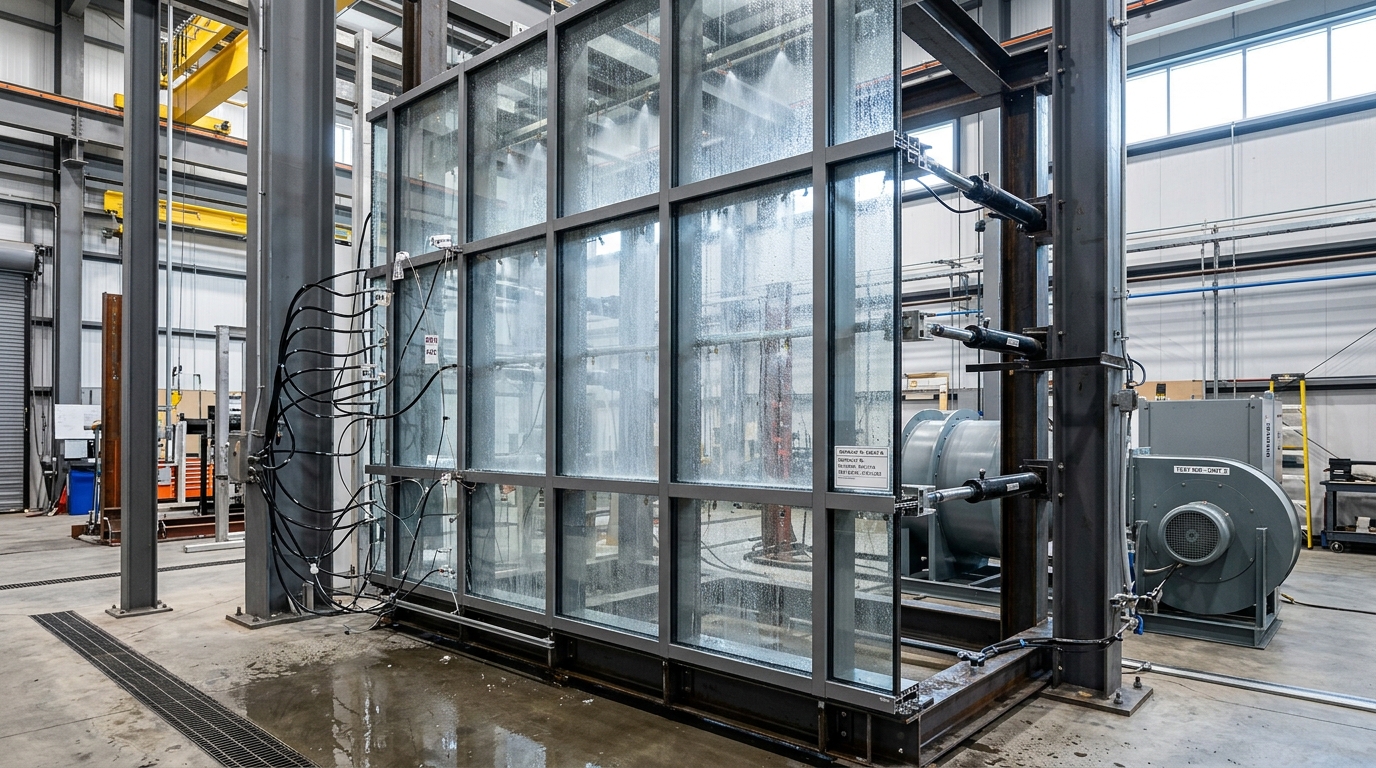
AAMA / ASTM Testing for Curtain Wall: What GCs Should Demand
On any serious curtain wall package, GCs should demand a documented test program that proves the system performs to air, water, structural, thermal, and seismic standards before the wall goes up, and again in the field after it's installed. The core battery is laboratory testing to ASTM E283 (air), ASTM E331 / AAMA 501.1 (water), and ASTM E330 (structural load), dynamic water testing per AAMA 501.1, seismic movement per AAMA 501.4, and field verification per AAMA 502/503. If a submittal doesn't reference these by number, that's your first red flag.
Why testing is non-negotiable

A curtain wall is the building's primary barrier against air, water, and wind. Unlike a punched window, it spans floors, carries dead load and wind load back to the structure, and must accommodate building movement. A leak or a structural shortfall isn't a cosmetic callback, it's water in the interior, failed finishes, and litigation. Testing converts the manufacturer's performance claims into evidence the GC, architect, and owner can rely on. It also protects the glazing contractor: a passed mock-up means the field detail is proven, not improvised.
The lab-test battery
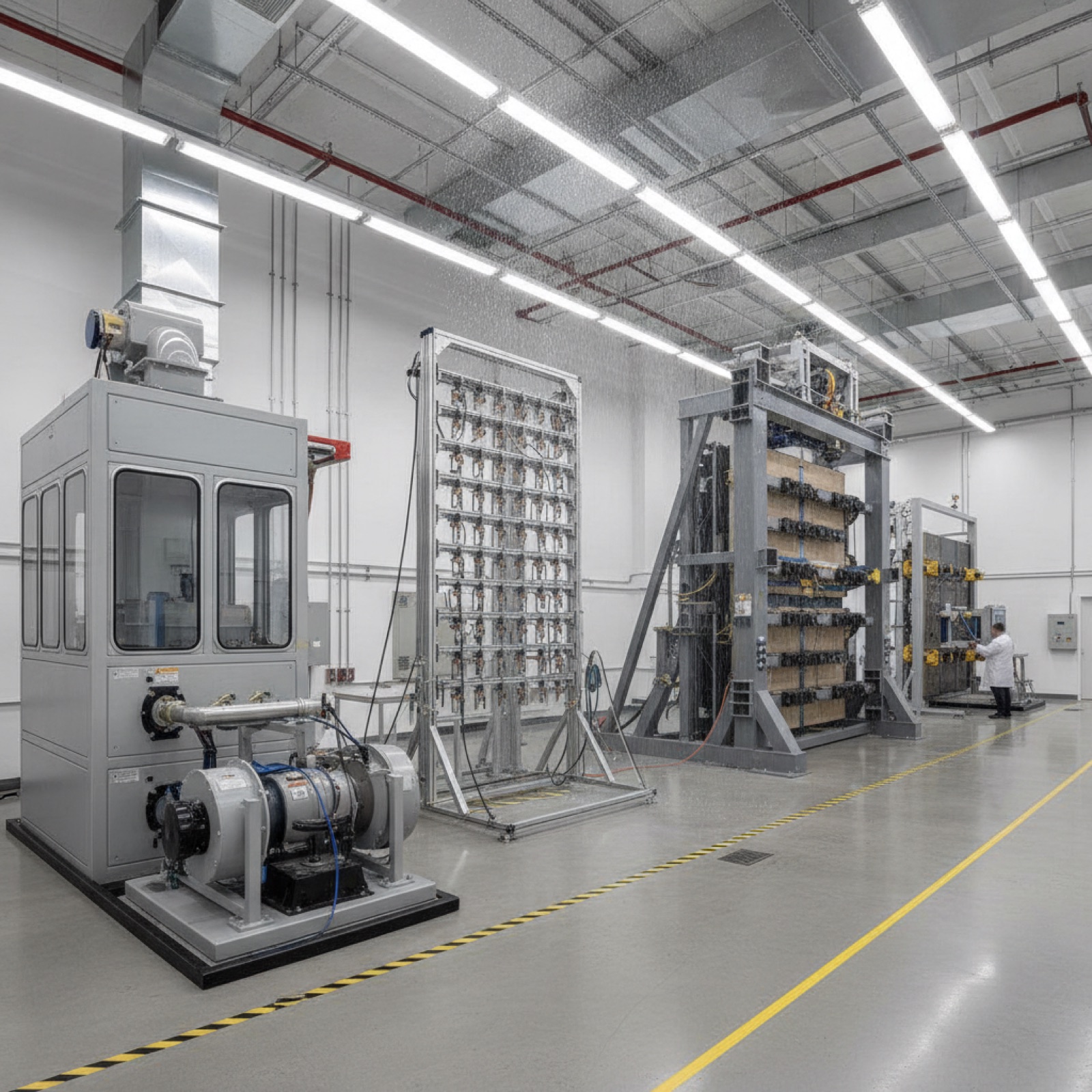
Performance mock-up (PMU) testing is run on a representative section of the actual system, built by the actual installer, before mass fabrication. The sequence matters, air, then static water, then structural, then dynamic water, because each test stresses the assembly in a way that can reveal what the previous one didn't.
| Standard | What it measures | Why a GC should demand it |
|---|---|---|
| ASTM E283 | Air infiltration/exfiltration at a set pressure | Confirms the air barrier; ties to Title 24 energy compliance |
| ASTM E330 | Structural performance under positive/negative wind load | Proves the wall and anchors carry design wind without permanent deformation |
| ASTM E331 | Static water penetration under pressure | Baseline water-tightness of the glazed assembly |
| AAMA 501.1 | Dynamic water penetration (prop-wash / wind-driven) | Real-world wind-driven rain, harsher than static E331 |
| AAMA 501.4 | Seismic inter-story drift movement | Critical for SoCal, proves the wall survives building sway |
| AAMA 501.5 | Thermal cycling | Confirms IGU seals and joints survive heat/cold movement |
Field testing, prove it on the actual building
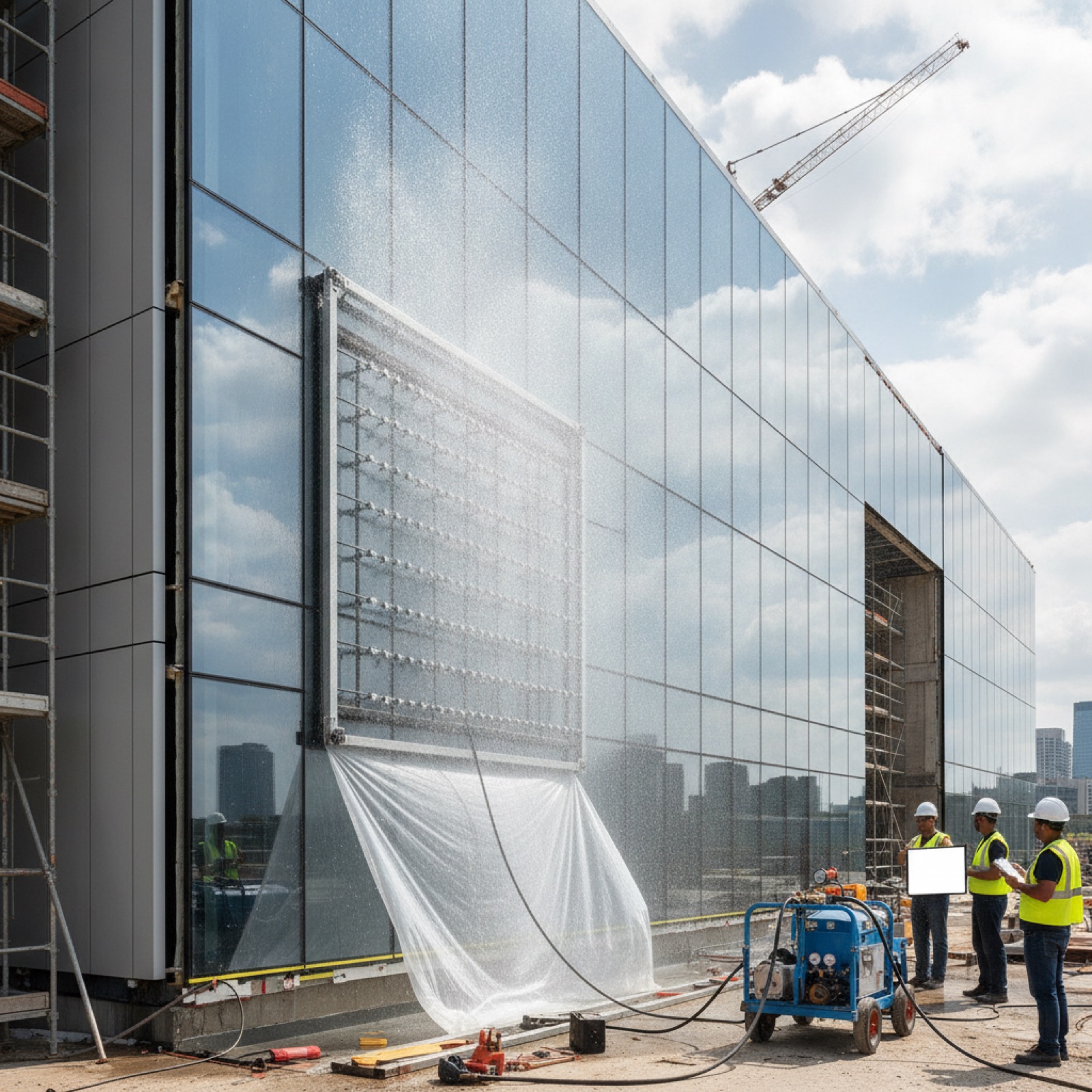
Lab passing is necessary but not sufficient: the installed wall must also be verified. AAMA 502 covers field testing of installed fenestration; AAMA 501.2 is the field water-spray (calibrated nozzle) test for fixed, non-operable curtain wall glazing and is the classic tool for chasing leaks on a real elevation. Spell out in the spec how many field tests, at what frequency, and who pays for re-tests after a failure, that single clause saves weeks of finger-pointing.
What to write into the spec

Don't leave performance to the shop drawings. The spec should state target air infiltration (cfm/sf at a pressure), water-test pressure (design pressure typically drives the static and dynamic numbers), structural design wind load and deflection limit (commonly L/175 for spans up to 13'6" per AAMA guidance), seismic drift the wall must accommodate per AAMA 501.4, and the field-test scope per AAMA 502/501.2. Require the NFRC-rated U-factor and SHGC for Title 24, and require IGUs certified to ASTM E2190 for sealed-unit durability.
The deflection and seismic link
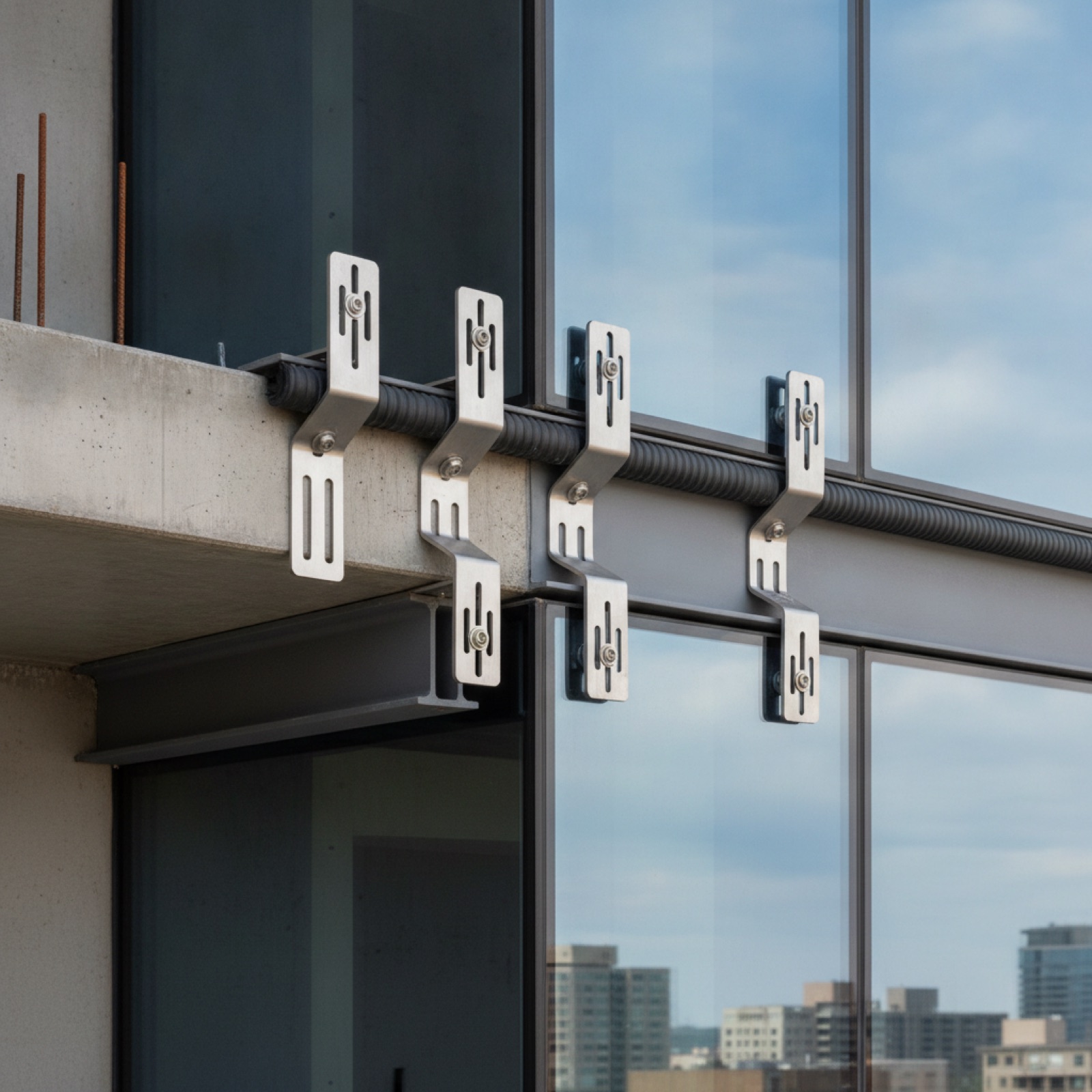
Structural testing (E330) and seismic movement (AAMA 501.4) are where curtain wall most often falls short on West Coast projects. The system has to flex with inter-story drift and limit mullion deflection so glass bite is never lost. Demand the engineering calcs and the AAMA 501.4 mock-up result, not just a generic data sheet.
Request a Glazing Bid
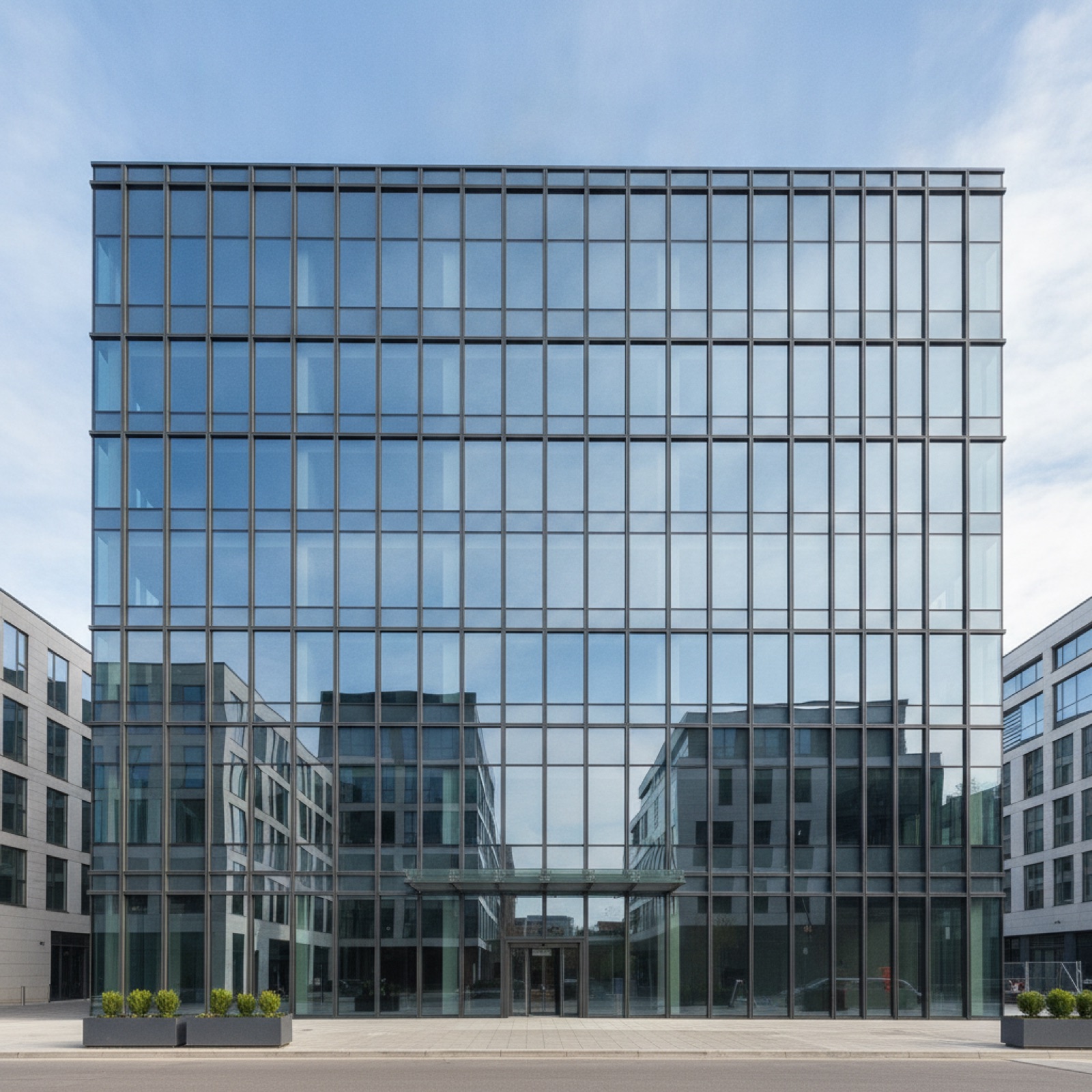
Ramos Industries (CA C-17 #1034872, AZ ROC #343677) has installed tested, submittal-backed curtain wall across SoCal and the Phoenix metro since 1987, with our own W-2 crews and written warranty. We build mock-ups, support PMU and field testing, and put the AAMA/ASTM citations in writing. Request a Glazing Bid, or download the free Commercial Glazing Spec Kit with a ready-to-paste curtain wall test-requirements checklist.
Frequently Asked Questions
What's the difference between AAMA 501.1 and AAMA 501.2?
AAMA 501.1 is a laboratory dynamic water-penetration test that simulates wind-driven rain on a mock-up. AAMA 501.2 is a field water-spray test using a calibrated nozzle on the installed, fixed curtain wall to locate leaks on the actual building. You generally want both, lab to qualify the system, field to verify the install.
Who pays for performance mock-up (PMU) testing?
It varies by contract, but PMU testing is typically an owner or project allowance line, with the glazing contractor building and the testing agency certifying. The key is that responsibility, and who pays for re-tests after a failure, is written into the spec before bid, not negotiated after a leak.
Is curtain wall testing required for code?
Energy (NFRC/Title 24) and safety-glazing (IBC) requirements are code-mandated. Air/water/structural mock-up testing is usually specification-driven rather than strictly code-required, but most quality commercial specs require it, and it's the GC's best protection against post-occupancy water intrusion and structural callbacks.
Related Articles
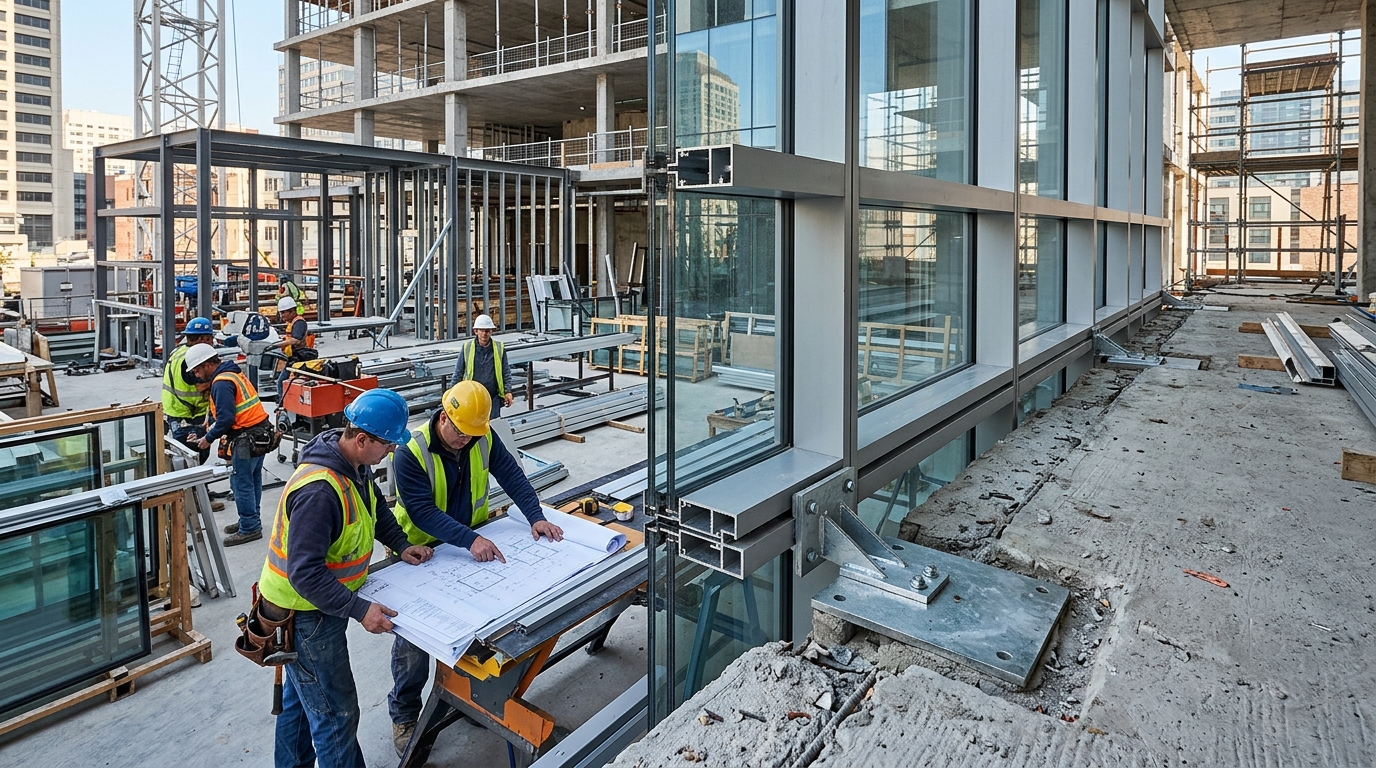
Glazing Scope Gaps That Blow Up Commercial Schedules
The glazing scope gaps that quietly wreck commercial schedules, perimeter sealant, blocking, embeds, lead times, and how GCs close them before bid award.

How to Prequalify a Glazing Subcontractor
A GC's checklist to prequalify a commercial glazing sub: license, insurance, W-2 crews, system experience, AAMA/ASTM test track record, and warranty.
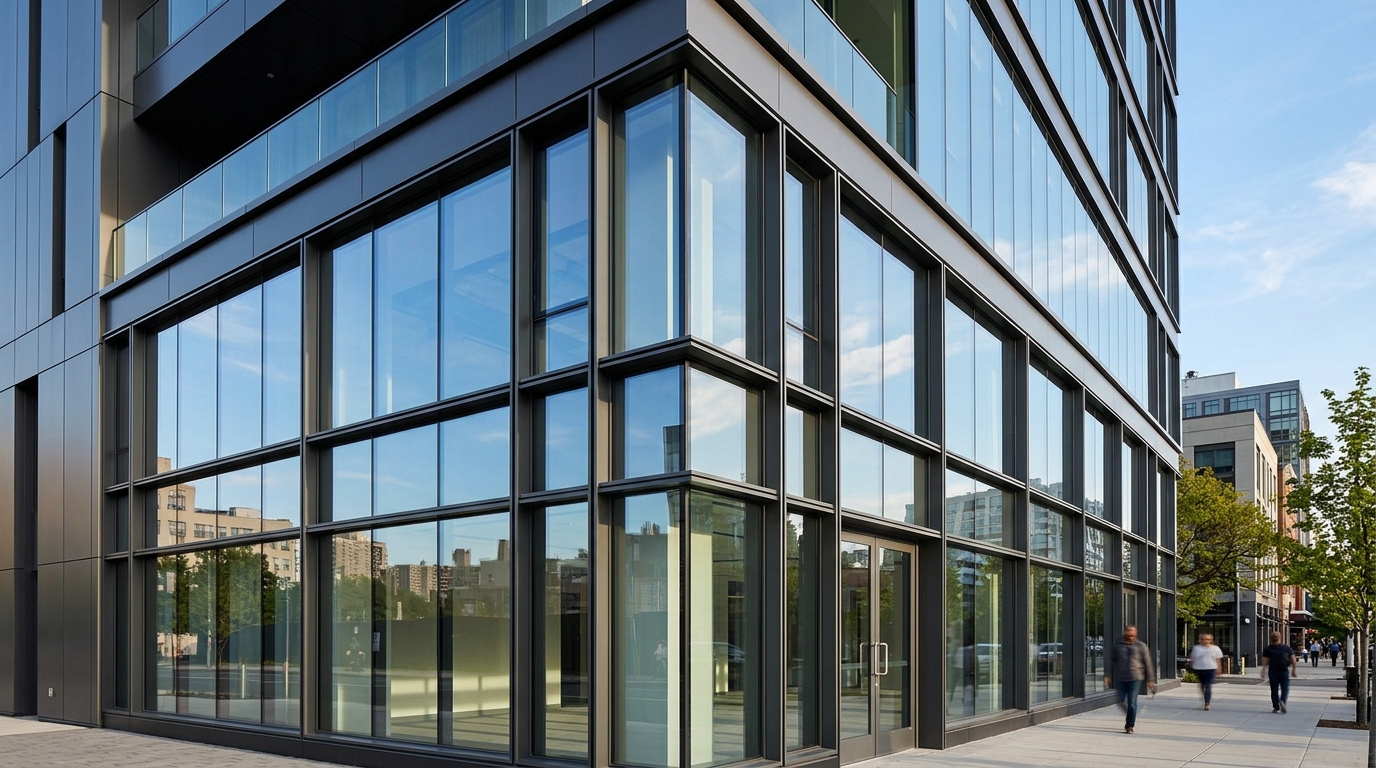
Aluminum Storefront Systems Compared (Center-Set, Offset, Flush)
Center-set vs. offset vs. flush aluminum storefront, glazing plane, sightlines, water management, and where each system fits. Spec guidance for GCs.
We use cookies and similar technologies to improve your experience on our website.