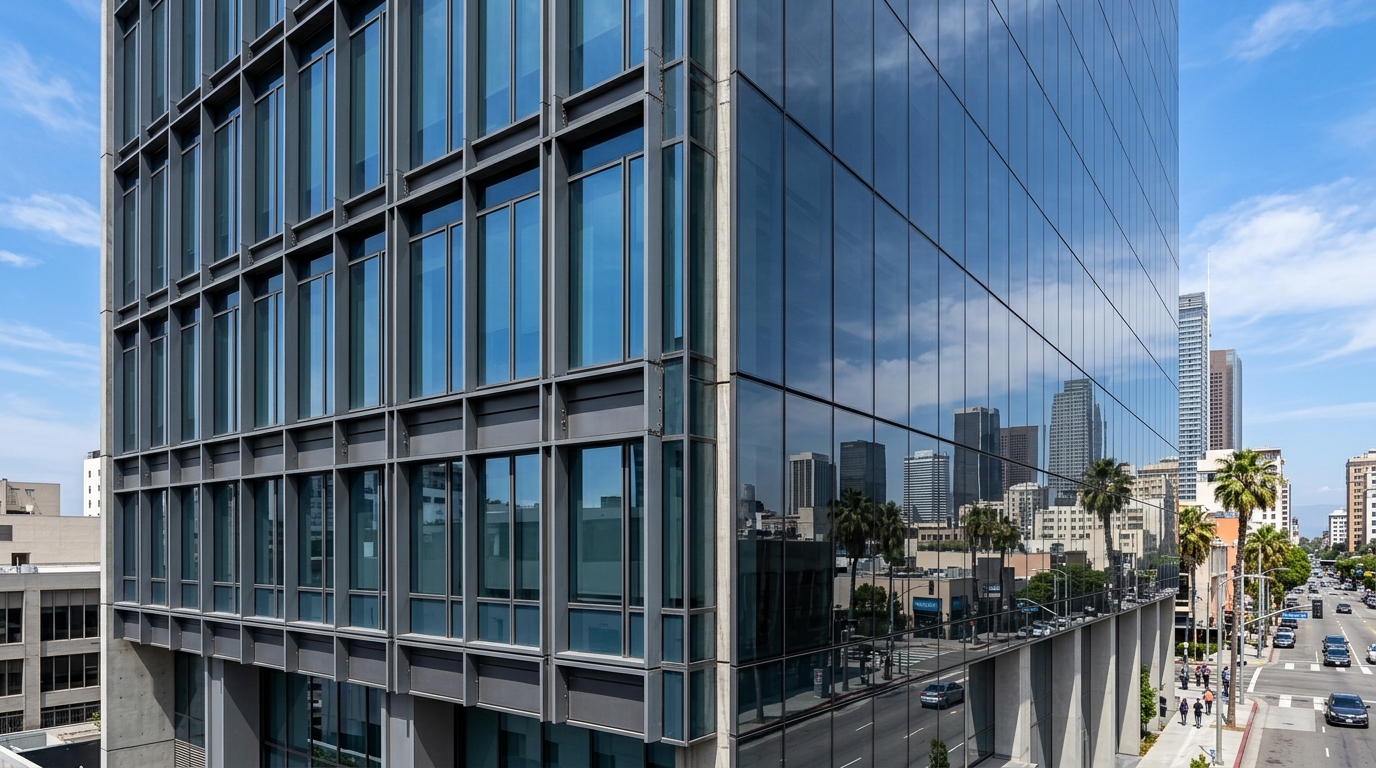
Structural Silicone Glazing vs. Captured Systems
Choose captured (mechanically retained) glazing when you want the most forgiving, easiest-to-maintain, lowest-risk system, the glass is held by aluminum pressure plates and caps, a proven approach for most commercial facades. Choose structural silicone glazing (SSG) when the design calls for a flush, frameless exterior look with minimal sightlines, and the glass is bonded to the frame with a high-strength structural sealant instead of a metal cap. SSG buys you aesthetics and a cleaner air/water profile; captured buys you simplicity, easier re-glazing, and lower QC risk.
How the glass is held
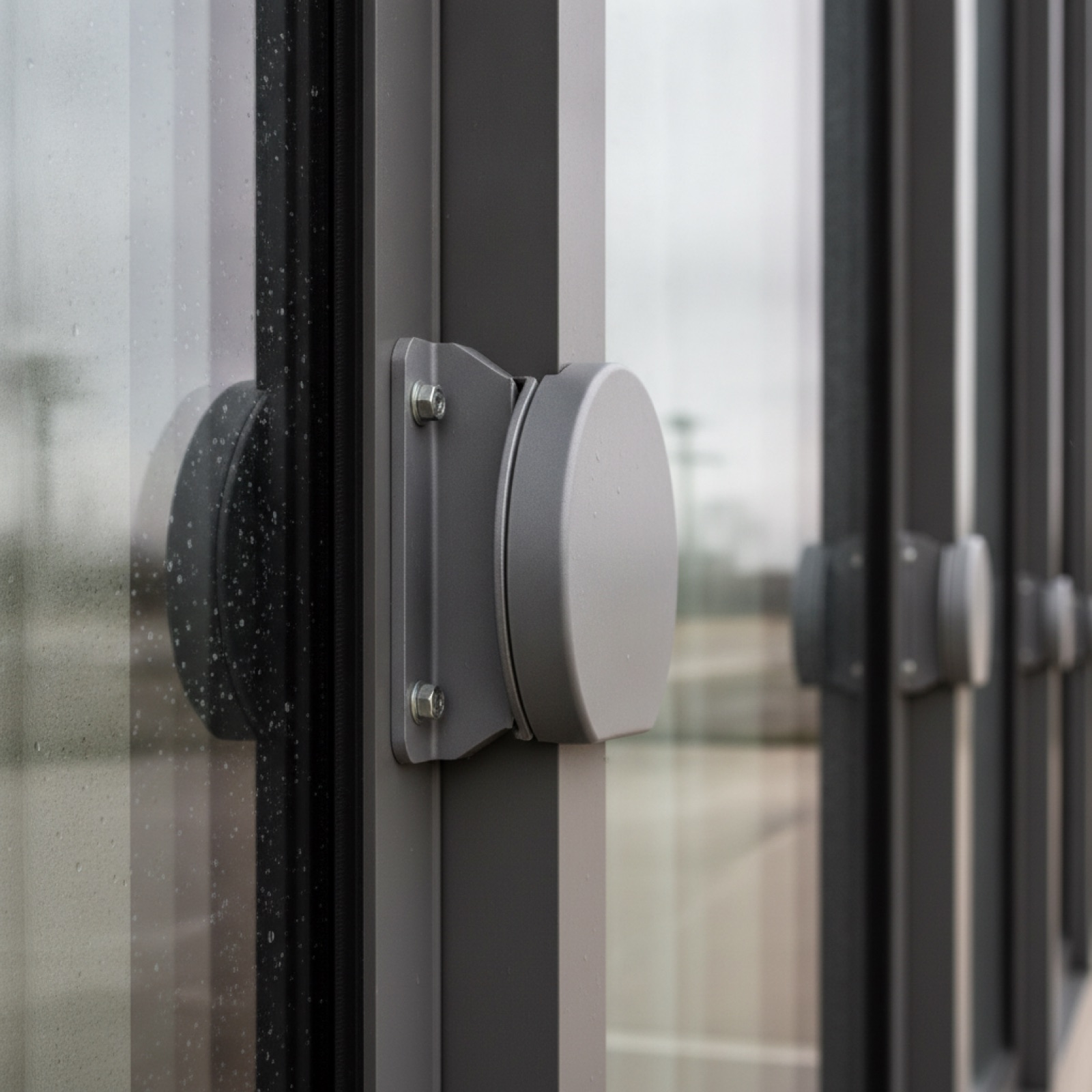
In a captured system, the IGU sits in the frame and is mechanically retained by an exterior pressure plate and snap cap. The aluminum cap is visible on the facade, creating the familiar gridded sightline. It's robust, field-friendly, and a damaged lite can be swapped without disturbing a structural bond.
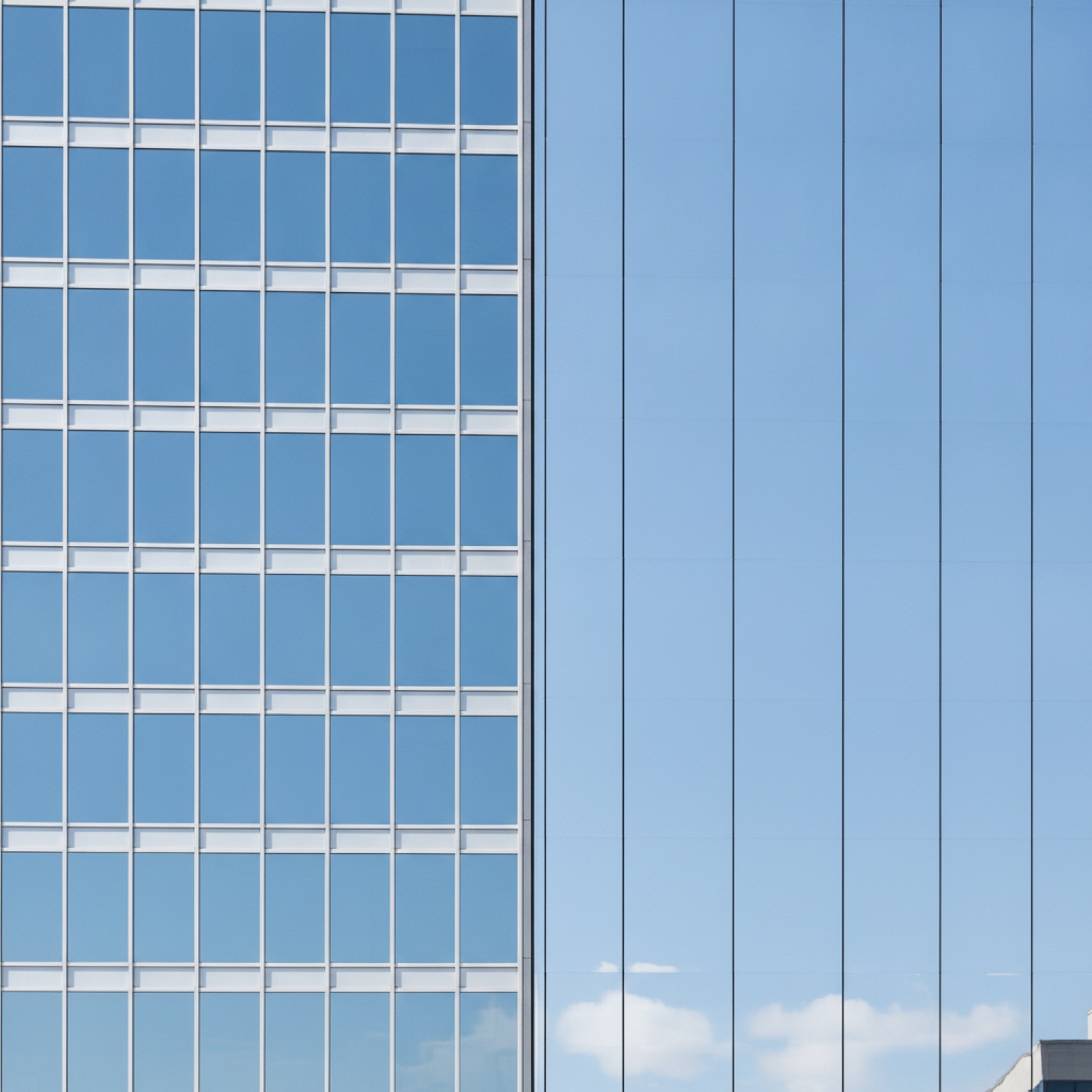
In a structural silicone system, the glass is adhered to the aluminum framing with a structural silicone sealant that transfers wind load from the glass back to the frame, no exterior cap on the bonded edges. The result is a smooth, monolithic glass plane. Because the silicone is doing structural work, the bond is engineered, the joint geometry (bite and glueline thickness) is calculated, and quality control on adhesion is critical. Two-sided SSG (caps on two edges, silicone on two) is common; four-sided SSG is fully frameless on the exterior.
Comparison
| Trait | Captured | Structural Silicone (SSG) |
|---|---|---|
| Exterior appearance | Visible aluminum caps / grid | Flush, frameless glass plane |
| Wind load path | Mechanical (pressure plate) | Adhesive (structural silicone bond) |
| Air/water performance | Strong | Often strong, fewer exposed caps |
| QC sensitivity | Lower | High, adhesion is structural |
| Re-glazing | Easier (unbolt cap) | Harder (cut/re-bond) |
| Up-front cost | Lower | Higher |
| Best fit | Most commercial facades | Premium, design-driven facades |
The core trade-off: captured systems are easier to install, inspect, and repair, which is why they dominate commercial work. SSG delivers a higher-end aesthetic and can reduce the number of exposed joints, but the structural bond demands rigorous QC, surface prep, sealant compatibility, cure conditions, and adhesion testing, and re-glazing a bonded lite is a bigger job.
Performance, testing, and code
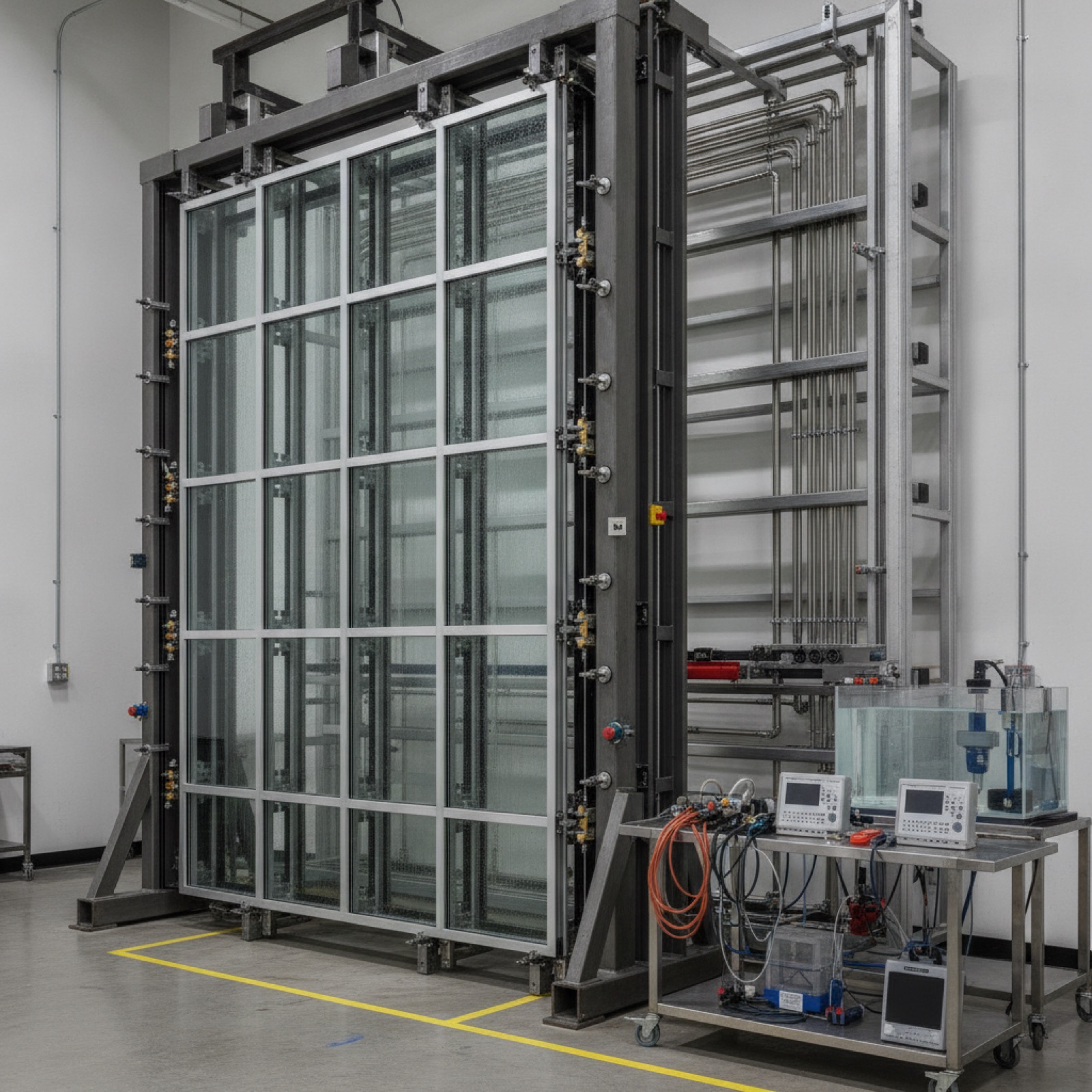
Both methods are validated against the same envelope suite: ASTM E283 (air infiltration), ASTM E331 (water penetration), and ASTM E330 (structural / wind load), with AAMA 501.2 field water testing and lab mock-ups under AAMA 501. SSG adds sealant-specific verification, structural sealant design per the manufacturer's engineering and adhesion/compatibility testing on the actual substrates. Both must meet California Title 24 through the IGU's Low-E and warm-edge spacer to hit the required SHGC and U-factor, and IBC safety-glazing at hazardous locations. SSG also depends on long-term sealant durability, so substrate compatibility and proper joint design aren't optional, they're the system.
How Ramos specs and installs it
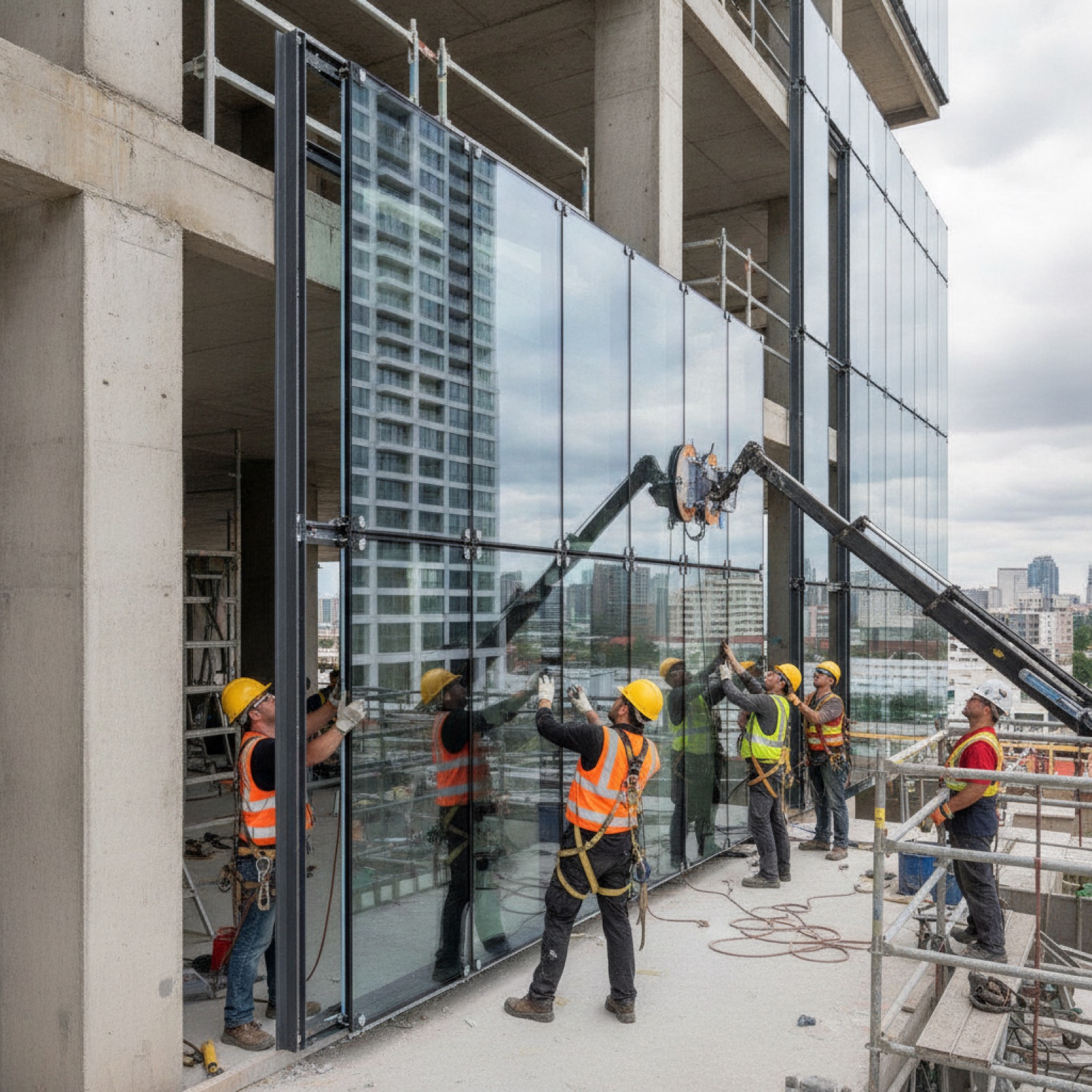
Whether the facade is captured or structural silicone, Ramos Industries documents the glazing method, sealant engineering, and test basis in a written submittal before fabrication, and on SSG, holds the adhesion and compatibility QC that the bond requires. As a licensed commercial glazing contractor (CA C-17 #1034872, AZ ROC #343677) with 35+ years since 1987, W-2 installers, and warranty-backed work across SoCal and the Phoenix metro, we install both methods and tell you honestly when the frameless look is worth the QC and re-glazing trade-off, and when captured is the smarter spec.
Request a Glazing Bid for a method recommendation tied to your design intent and budget, or grab the free Commercial Glazing Spec Kit to compare the two before you lock the elevation.
Frequently Asked Questions
Is structural silicone glazing safe, is the glass really just glued on?
Yes, when engineered correctly. The structural silicone is a high-strength sealant whose bite and glueline are calculated to transfer wind load, and adhesion/compatibility is tested on the actual substrates. The bond is structural by design, not an afterthought, which is exactly why QC is non-negotiable.
Is captured glazing easier to repair?
Generally yes. A damaged lite in a captured system can be replaced by removing the pressure plate and cap. Re-glazing a structural-silicone bonded lite requires cutting and re-bonding, which is a more involved field operation.
Which one performs better against air and water infiltration?
Both can perform well and are tested to ASTM E283/E331. SSG can reduce exposed cap joints, which sometimes helps the weather profile, but a well-detailed captured system is also strong, the result depends on design and install quality, not the method alone.
Related Articles
Value-Engineering Glass Without Failing Title 24
Cut glazing cost without failing Title 24: where to value-engineer glass and framing safely, and which SHGC/U-factor moves quietly break compliance.
Commercial Glazing Lead Times in SoCal by System (2026)
2026 commercial glazing lead times in Southern California by system, storefront, curtain wall, unitized, IGUs, and specialty glass, plus what drives delays.
Seismic and Deflection Requirements for SoCal Curtain Wall
Seismic drift and deflection requirements for Southern California curtain wall, AAMA 501.4, L/175 limits, glass bite, and detailing for inter-story movement.
We use cookies and similar technologies to improve your experience on our website.