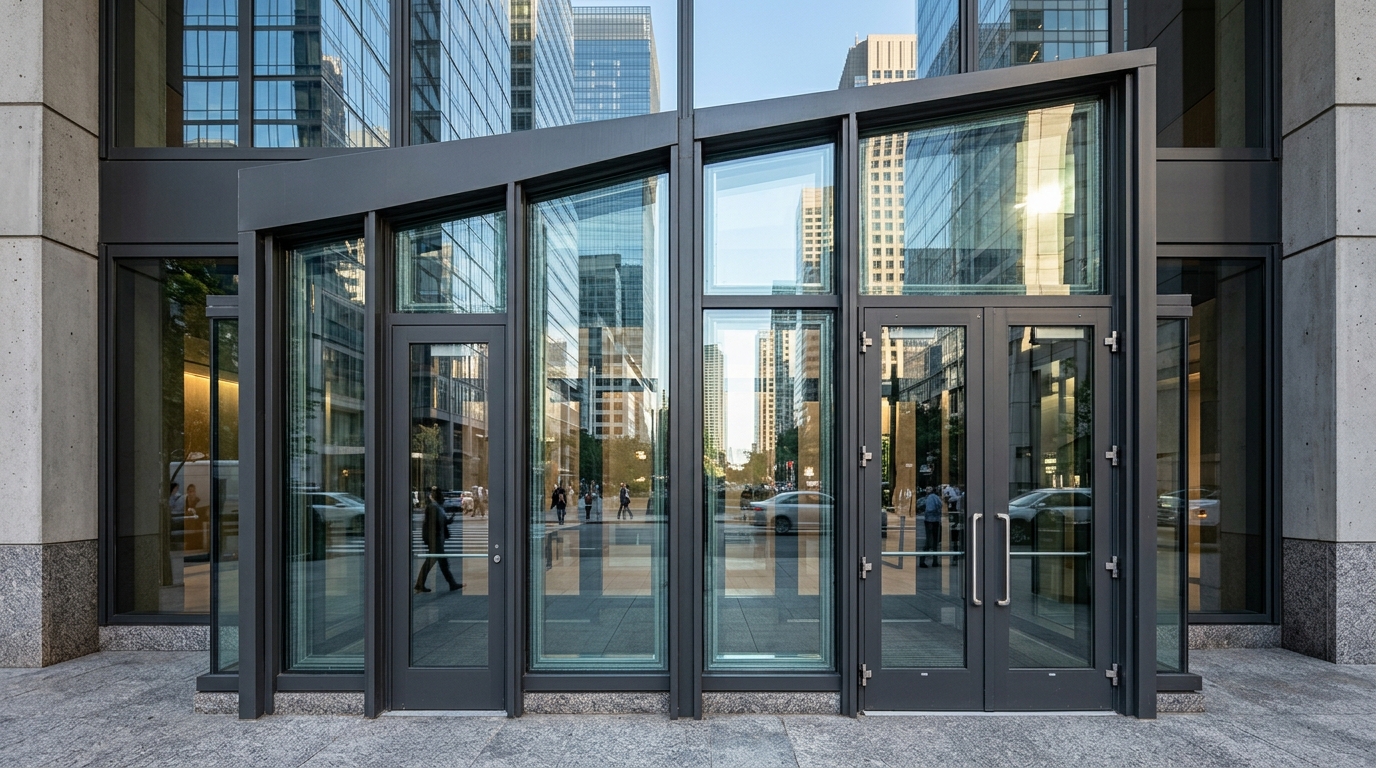
Security and Forced-Entry-Resistant Glazing Options
If you need glass that resists forced entry, the answer isn't "thicker glass", it's the right security system matched to your threat and rated to a real standard. The practical ladder runs from applied security film (cheapest, modest delay), to laminated glass with a tough interlayer (the workhorse), to tested attack-resistant assemblies (ASTM F1233 / forced-entry ratings), up to UL 752 bullet-resistant glazing for the highest threat. Each step trades cost and weight for more delay time, and delay time, not "unbreakable," is the real goal.
Security Glazing Is About Delay, Not Invincibility
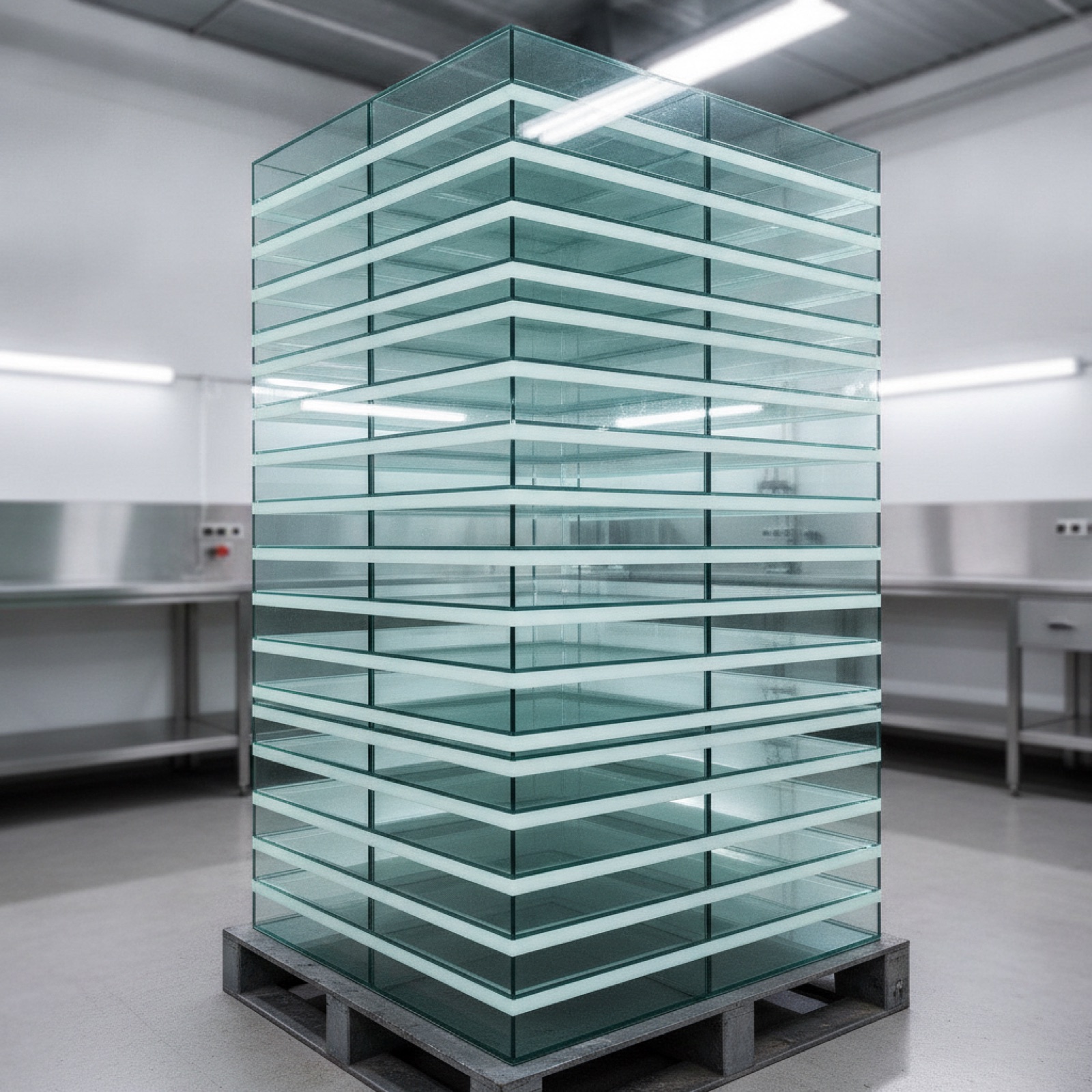
No glazing is unbreakable; security glazing is rated by how long it resists a defined attack. The point is to buy enough delay that the attacker gives up or a response arrives. Laminated glass works because the polyvinyl butyral (PVB) or stiffer ionoplast interlayer holds the shards together after the glass cracks, the lite spider-webs but stays in the opening, defeating the smash-and-grab. Thicker interlayers and stiffer chemistries buy more time. This is also why laminated glass doubles as safety glazing and adds acoustic and UV benefits.
Match the Option to the Threat
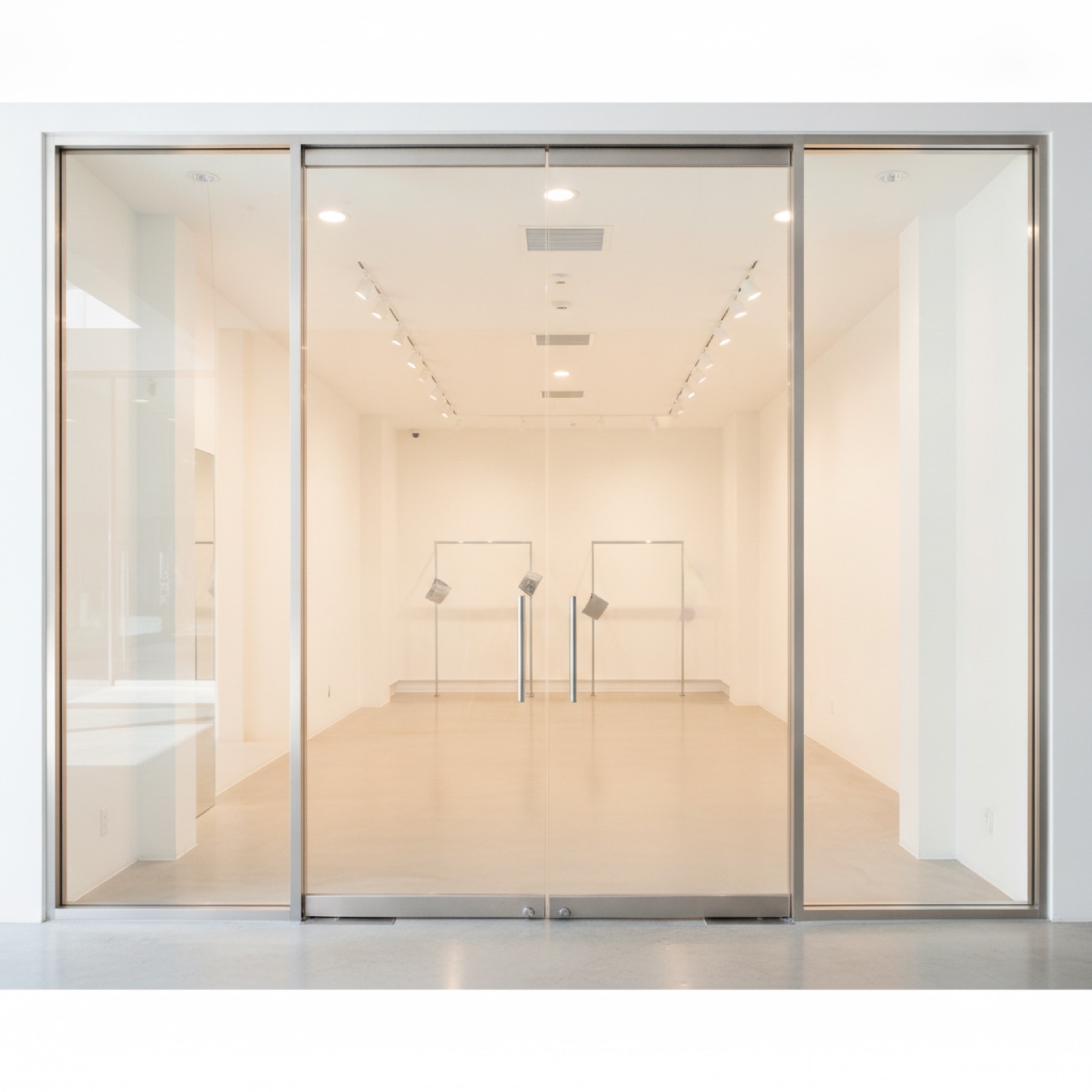
| Option | Resists | Typical standard | Relative cost | Notes |
|---|---|---|---|---|
| Security film (applied) | Smash-and-grab, spontaneous breakage | Retrofit, ANSI/ASTM impact | $ | Fast retrofit, modest delay |
| Laminated glass | Forced entry, blunt impact | ASTM safety + impact | $$ | Workhorse; safety + acoustic + UV |
| Attack-resistant assembly | Sustained forced entry | ASTM F1233 / forced-entry | $$$ | Tested glass + frame as a system |
| Bullet-resistant glazing | Ballistic threat | UL 752 (levels 1–8) | $$$$ | Heavy; framing must match rating |
The Frame Is Half the System
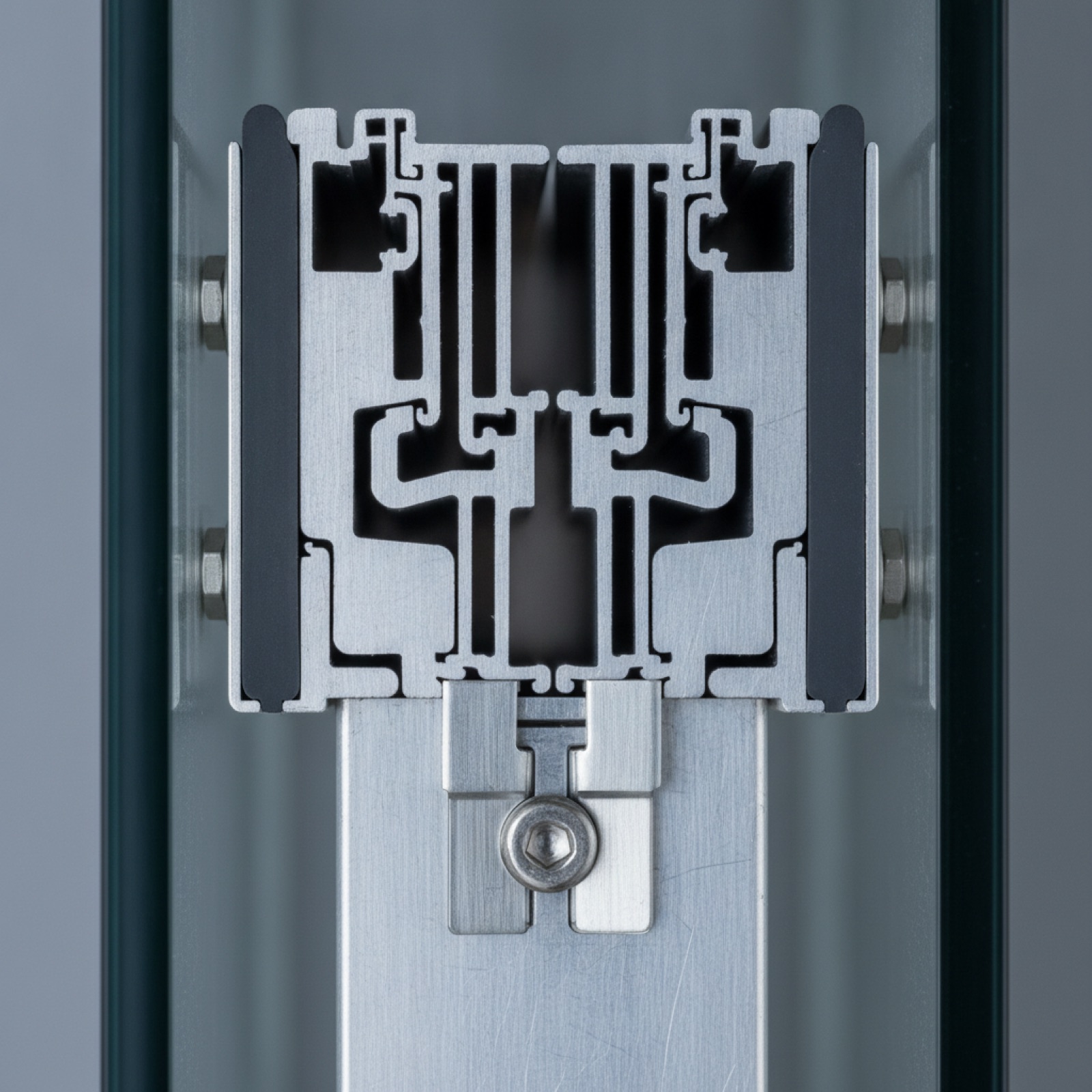
A security lite in a weak frame is a weak opening. Forced-entry and ballistic ratings apply to the assembly, glass, framing, anchorage, and glazing method together, not the glass alone. A laminated lite that's wet-glazed or captured deep into a structural frame resists pry attacks; the same lite in a shallow snap-bead pocket can be levered out intact. For attack-resistant and UL 752 work, the framing, anchors, and even the fasteners must be specified to the same rating as the glass, which is why these are engineered submittals, not catalog picks.
Where Each Option Fits
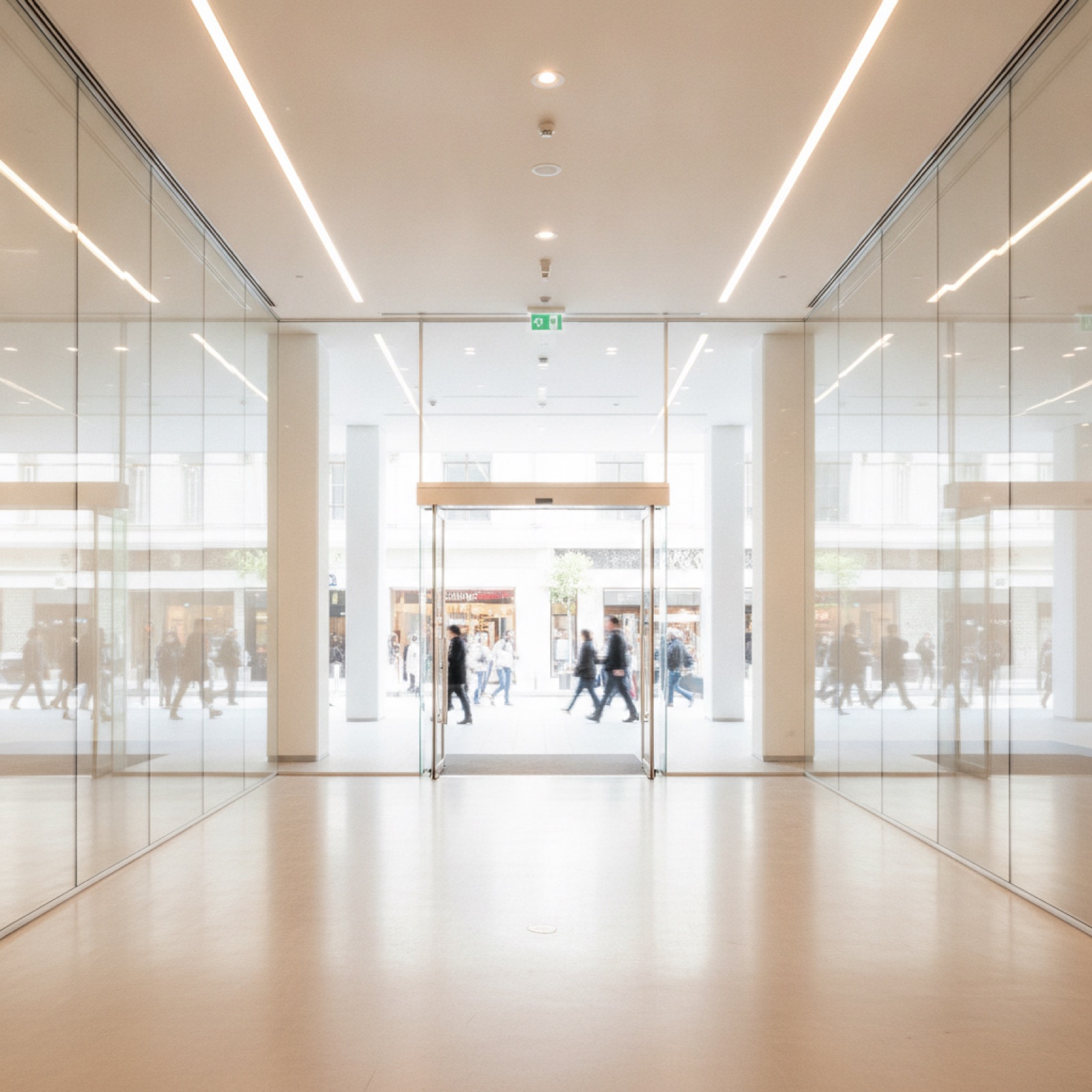
Ground-floor retail and cannabis dispensaries usually want laminated storefront to stop smash-and-grab while preserving daylight. Schools, civic buildings, and lobbies lean on attack-resistant assemblies at entries and vestibules. Cash-handling, pharmacy, and certain government counters need UL 752 ballistic glazing. Existing buildings on a budget often start with security film as a fast retrofit, then upgrade to laminated at re-glaze. The right answer is a security assessment, not a blanket product.
Why Ramos for Security Glazing
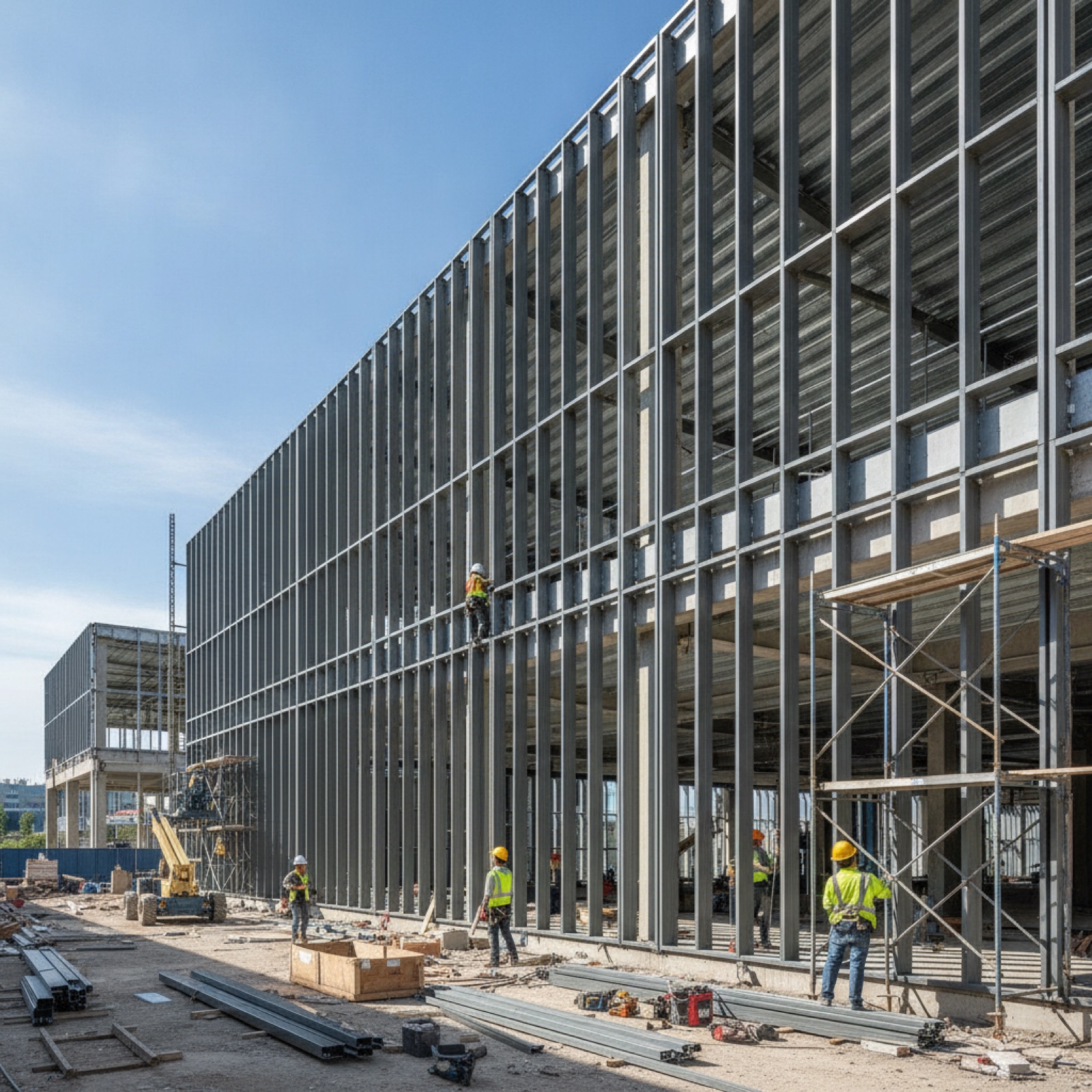
We specify the assembly, not just the lite, laminated make-up, frame, anchorage, and glazing method rated together to ASTM or UL 752 as the threat requires, and we document it in written submittals. Our W-2 installers set the captured bite and anchorage that make the rating real on site. Licensed in California (C-17 #1034872) and Arizona (ROC #343677), serving SoCal and the Phoenix metro since 1987, warranty-backed.
Specify the Right Protection
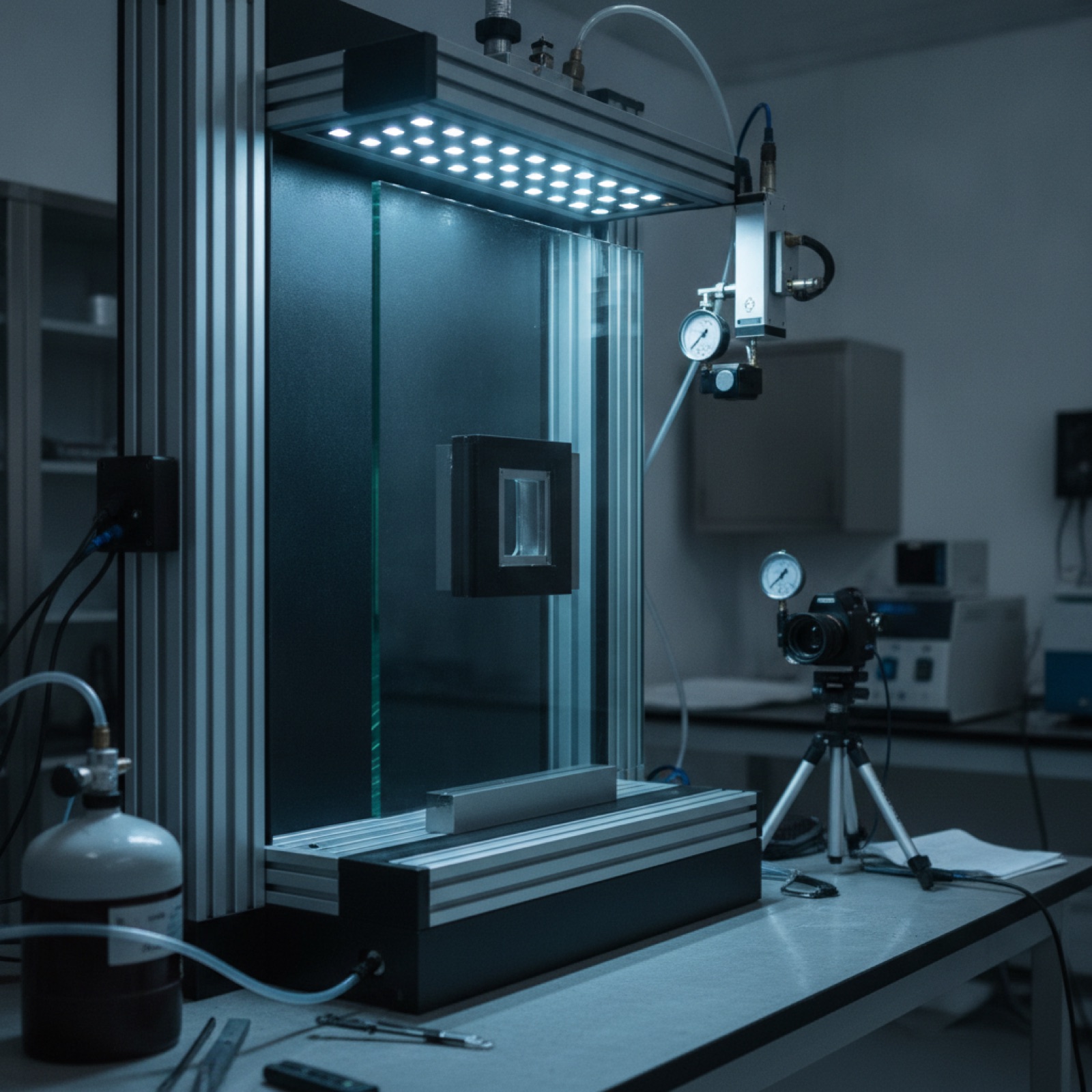
Tell us the threat and we'll spec the assembly that meets it, from laminated storefront to UL 752 ballistic. Request a Glazing Bid for a security-glazing assessment.
Frequently Asked Questions
Is security glazing bulletproof?
No glazing is truly bulletproof, and forced-entry glazing isn't ballistic-rated at all. Security glazing is rated by how long it delays a defined attack. For ballistic protection you need UL 752 bullet-resistant glazing, which is a separate, heavier, higher-cost category.
What's the difference between security film and laminated glass?
Security film is applied to existing glass, a fast, lower-cost retrofit that adds modest delay against smash-and-grab. Laminated glass has a PVB or ionoplast interlayer built in, holding shards together when struck and providing much greater forced-entry resistance, plus safety, acoustic, and UV benefits.
Does the frame matter for security glazing?
Critically. Forced-entry (ASTM F1233) and ballistic (UL 752) ratings apply to the whole assembly, glass, frame, anchorage, and glazing method. A strong lite in a shallow snap-bead pocket can be levered out intact, so the framing must be specified to the same rating as the glass.
Related Services
Forced Entry Resistant
Forced entry resistant glazing systems for schools, government buildings, dispensaries, and high theft retail, certified to ASTM F1233 and WMFL 0500 performance criteria.
Security Glazing
Security glazing solutions for commercial buildings, including laminated glass, polycarbonate, and reinforced systems for crime deterrence and asset security.
Bullet Resistant
Bullet resistant glass and full barrier systems for banks, pharmacies, transit operators, government, and high risk retail, certified to UL 752 Levels 1 through 8.
Related Articles
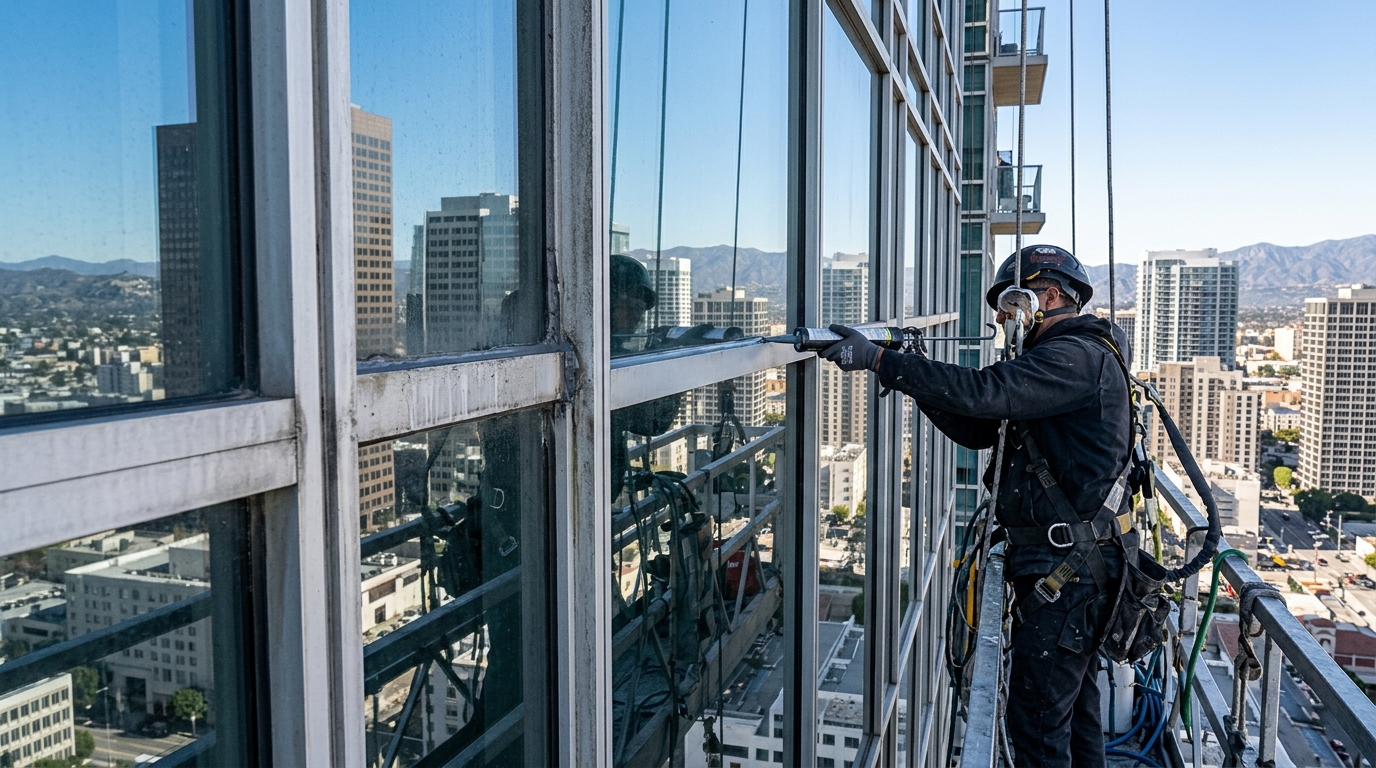
Curtain Wall Recaulk and Reseal: When and Why
When to recaulk and reseal a commercial curtain wall, how to tell weathering from system failure, and the AAMA 501.2 water test that proves the fix worked.
Value-Engineering Glass Without Failing Title 24
Cut glazing cost without failing Title 24: where to value-engineer glass and framing safely, and which SHGC/U-factor moves quietly break compliance.
Commercial Glazing Lead Times in SoCal by System (2026)
2026 commercial glazing lead times in Southern California by system, storefront, curtain wall, unitized, IGUs, and specialty glass, plus what drives delays.